Why survivors of sexual violence in Kenya stop seeking justice
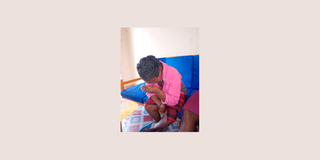
A GBV survivor. From fear to finances, justice remains out of reach for many such women.

What you need to know:
- A survivor of rape during Kenya’s 2007 post-election violence recounts being turned away by police and hospitals, and never accessing justice.
- UN Women says justice systems must be accessible, survivor-centred and properly funded to prevent abuse and deliver accountability.
Jaqueline Mutere was raped during the 2007 post-election violence. She conceived and later gave birth to a baby girl.
Nearly two decades later, the men who violated her are still free.
When she went to report the matter at a police station in Nairobi, she was turned away. Officers told her they were occupied trying to contain the violence that had erupted in parts of the city.


"I vowed never to go back to the police station again. I went to the hospital and I faced the same fate. I was unable to get justice that I badly needed," she tells Nation.Africa.
She underwent pain and trauma for three years before she could begin to recover.
"Many women were sexually violated, with some being gang raped by civilians and police officers. Almost all of them opted not to report the matter since they were not sure they would get justice," she adds.
Pain, trauma, rejection, and stigma from friends, relatives, and neighbours were among the reasons victims stayed silent, she notes, shutting the door on any chance of justice.
Jaqueline's experience is not unique. Across Kenya and beyond, women and girls who survive sexual and gender-based violence face multiple, overlapping barriers when they try to seek justice. Some of those barriers come from the very institutions that are supposed to help them.
What stops survivors from coming forward?
UN Women has identified the key barriers that prevent women and girls from seeking justice.
Fear tops the list. Survivors often harbour fear of retaliation, stigma, or simply not being believed. Silence is compounded by family and social pressure, shame, and threats from society or authorities.
Money is another major obstacle. Legal fees, transport costs, lost income, and care responsibilities make pursuing justice impossible for many. Without accessible legal aid and representation, women cannot understand their rights, navigate procedures, or challenge decisions. Many are forced to face justice systems alone, or abandon hope altogether.
The systems themselves can also be exhausting. Fragmented institutions, red tape, delays, and language barriers increase re-traumatisation and allow cases to stall without resolution. Delivering justice requires the police, courts, medical services, and legal aid to work together. Often, they do not.
Why does justice matter?
Justice for women and girls means safety and protection from further harm, dignity, being heard, believed, and respected. It means access to remedies, support, and reparations. And it means prevention.
"When women can access justice, violence is stopped and addressed sooner. Abusers are restrained and held accountable, workplaces become safer, and families are less likely to be trapped in cycles of harm and violence," UN Women says.
What does justice that actually delivers look like?
UN Women says gender equality advances when justice systems are designed to deliver for all women and girls. That starts with laws that protect, not punish, survivors. Laws that clearly define sexual consent, protect survivors rather than scrutinise them, and remove discrimination.
It also means building prevention into the system through early protective measures and efficient procedures that stop violence from escalating and make it harder for perpetrators to keep offending.
Accessible and affordable legal aid is critical. This includes supporting qualified community-based justice workers, such as paralegals, to provide practical legal information so women can claim pay, property, custody, protection, and status in practice, not just in theory.
UN Women also calls for gender-disaggregated justice data and accountability so that gaps are visible, progress can be tracked, and rollbacks can be addressed. And it calls for sustained financing.
"Justice services need consistent funding, so they are accessible, safe, and reliable, including survivor-centred services and legal aid," the agency explains.
Catherine Mootian, a survivor of female genital mutilation (FGM) and director of AfyAfrica, an NGO working to end the practice, says justice must go beyond the courtroom.
"When perpetrators are taken to court, that is important. But what happens to the girl who was cut? Who supports her healing, her education, and her future?" she asks.
It is a question that applies equally to Jaqueline and to the thousands of women violated during the 2007 post-election violence. Justice, for them, is still waiting.