Justice Omondi Tunya leaves complex judicial legacy
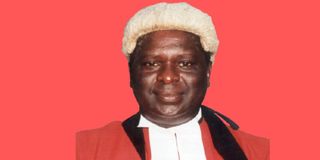
Retired High Court judge Justice Godfrey Omondi Tunya.

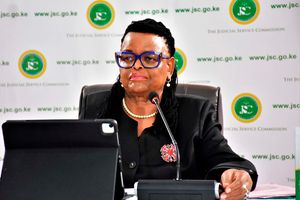
Retired High Court judge Justice Godfrey Omondi Tunya has died, Chief Justice Martha Koome announced on Monday, bringing to a close a judicial career that spanned Kenya’s transition from one-party rule to constitutional democracy.
Justice Tunya served in the Judiciary as a magistrate before rising to the High Court, where he handled politically sensitive criminal cases, election petitions, commercial disputes, civil claims and constitutional matters over several decades.
Announcing his death, Chief Justice Koome described him as a dedicated judicial officer whose contribution to the administration of justice left a lasting mark on the country’s legal system. “Justice Tunya served the people of Kenya with diligence, integrity and unwavering commitment to justice. His contribution to the growth of our jurisprudence and the strengthening of the rule of law will remain part of the Judiciary’s enduring legacy,” she said.


She added that he would be remembered as “a distinguished judicial officer whose service reflected fidelity to the Constitution and the law.”
Radical surgery
Justice Tunya left the Judiciary in 2003 during the anti-corruption purge popularly known as the “radical surgery”, led by Justice Aaron Ringera. The exercise resulted in the suspension of 23 judges and 73 magistrates as part of efforts to restore public confidence in the Judiciary.
Before his appointment to the High Court, Justice Tunya served as a senior magistrate during the 1980s and early 1990s, a period when Kenya’s courts frequently handled politically charged prosecutions amid growing calls for multiparty democracy.
Court records show he presided over proceedings involving former political detainee Koigi wa Wamwere and veteran journalist Njeru Gathangu, publisher of the banned Beyond magazine. He also handled other politically sensitive prosecutions linked to the pro-democracy movement during the final years of Kanu’s one-party rule.
In 1986, while serving as Senior Resident Magistrate in Nyeri, Justice Tunya ordered then Mathira MP Matu Wamae to appear in court to answer charges of contravening the Employment Act after prosecutors said court summonses had not been served. He directed the district labour officer to ensure the summonses were served before the case resumed. The MP was represented by advocate Hatari Waweru, who later became a High Court judge.
After joining the High Court, Justice Tunya built a broad judicial record covering criminal appeals, election petitions, commercial disputes, personal injury claims and defamation suits.
Among his best-known decisions was an award of Sh9 million in damages to an advocate in a libel case involving a local newspaper. At the time, it ranked among the largest defamation awards made by a Kenyan court and was later cited in several defamation cases involving professionals.
Election petitions
Justice Tunya was also among High Court judges assigned to hear election petitions arising from the 2002 General Election, including a petition challenging the election of Kipkelion MP Sammy Kipkemoi Rutto.
He further determined criminal appeals that proceeded to the Court of Appeal and delivered judgments in civil disputes that continued to be cited by courts after his retirement.
Although many of his early cases attracted public attention because of their political significance, his later work reflected an increasingly diverse judicial workload as the courts assumed a greater role in resolving electoral, commercial and governance disputes.
His career mirrored the evolution of Kenya’s Judiciary from an institution operating under the constraints of the one-party era to one exercising expanded oversight following constitutional reforms and rising public expectations for accountability.
For many younger lawyers, Justice Tunya’s legacy is preserved in reported judgments and appellate decisions that continue to guide legal practice. Older generations, however, also remember him for presiding over cases that unfolded during some of Kenya’s most contested political moments.
The Judiciary did not immediately disclose the cause of his death or announce funeral arrangements.
Retired High Court judge Justice Godfrey Omondi Tunya has died, Chief Justice Martha Koome announced on Monday, bringing to a close a judicial career that spanned Kenya’s transition from one-party rule to constitutional democracy.
Justice Tunya served in the Judiciary as a magistrate before rising to the High Court, where he handled politically sensitive criminal cases, election petitions, commercial disputes, civil claims and constitutional matters over several decades.
Announcing his death, Chief Justice Koome described him as a dedicated judicial officer whose contribution to the administration of justice left a lasting mark on the country’s legal system. “Justice Tunya served the people of Kenya with diligence, integrity and unwavering commitment to justice. His contribution to the growth of our jurisprudence and the strengthening of the rule of law will remain part of the Judiciary’s enduring legacy,” she said.
She added that he would be remembered as “a distinguished judicial officer whose service reflected fidelity to the Constitution and the law.”
Anti-corruption purge
Justice Tunya left the Judiciary in 2003 during the anti-corruption purge popularly known as the “radical surgery”, led by Justice Aaron Ringera. The exercise resulted in the suspension of 23 judges and 73 magistrates as part of efforts to restore public confidence in the Judiciary.
Before his appointment to the High Court, Justice Tunya served as a senior magistrate during the 1980s and early 1990s, a period when Kenya’s courts frequently handled politically charged prosecutions amid growing calls for multiparty democracy.
Court records show he presided over proceedings involving former political detainee Koigi wa Wamwere and veteran journalist Njeru Gathangu, publisher of the banned Beyond magazine. He also handled other politically sensitive prosecutions linked to the pro-democracy movement during the final years of Kanu’s one-party rule.
In 1986, while serving as Senior Resident Magistrate in Nyeri, Justice Tunya ordered then Mathira MP Matu Wamae to appear in court to answer charges of contravening the Employment Act after prosecutors said court summonses had not been served. He directed the district labour officer to ensure the summonses were served before the case resumed. The MP was represented by advocate Hatari Waweru, who later became a High Court judge.
After joining the High Court, Justice Tunya built a broad judicial record covering criminal appeals, election petitions, commercial disputes, personal injury claims and defamation suits.
Among his best-known decisions was an award of Sh9 million in damages to an advocate in a libel case involving a local newspaper. At the time, it ranked among the largest defamation awards made by a Kenyan court and was later cited in several defamation cases involving professionals.
Election petitions
Justice Tunya was also among High Court judges assigned to hear election petitions arising from the 2002 General Election, including a petition challenging the election of Kipkelion MP Sammy Kipkemoi Rutto.
He further determined criminal appeals that proceeded to the Court of Appeal and delivered judgments in civil disputes that continued to be cited by courts after his retirement.
Although many of his early cases attracted public attention because of their political significance, his later work reflected an increasingly diverse judicial workload as the courts assumed a greater role in resolving electoral, commercial and governance disputes.
His career mirrored the evolution of Kenya’s Judiciary from an institution operating under the constraints of the one-party era to one exercising expanded oversight following constitutional reforms and rising public expectations for accountability.
For many younger lawyers, Justice Tunya’s legacy is preserved in reported judgments and appellate decisions that continue to guide legal practice. Older generations, however, also remember him for presiding over cases that unfolded during some of Kenya’s most contested political moments.
The Judiciary did not immediately disclose the cause of his death or announce funeral arrangements.
Follow our WhatsApp channel for breaking news updates and more stories like this