John Mwazemba, the regional director of Oxford University Press East Africa, has left the company following a restructuring of its operations in Kenya due to declining revenues.
Mr Mwazemba will leave alongside some members of staff whose positions have also been made redundant. The company's senior management will now report to the regional office in Cape Town, South Africa.
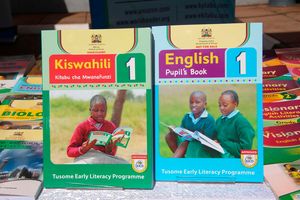
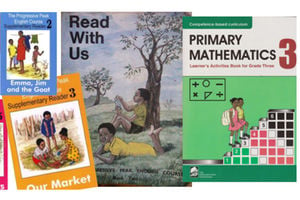
The publishing industry has undergone significant changes since the government introduced the direct procurement and supply of school textbooks in 2017 — a year after Mr Mwazemba joined the company as general manager. The tendering process sparked vicious price wars as publishers tried to outdo each other to win tenders.
“The East African market has faced significant challenges in recent years. The market for book production and sales has become increasingly volatile, driven by several external factors which have placed pressure on our operations and highlighted the need for us to adapt. These factors include market instability, uncertainty in curriculum cycles, lack of transparency in the tender process, piracy of key titles, and shifts in open market buying patterns and customer expectations,” reads a letter to the staff seen by the Nation.
The publishing department has been the most affected by the company's restructuring, with the number of permanent roles being reduced from 23 to 10. According to the company, more editorial and design work will be outsourced. A few years ago, Oxford Press also outsourced the warehousing function to DHL, resulting in job losses.
In the new structure, the head of the product department will report to the Africa product director (South Africa). The head of marketing will report to the Africa marketing director (South Africa), and the head of sales will report to the Africa sales director (South Africa). Previously, they all reported to Mr Mwazemba.
Oxford is one of the oldest publishers in Kenya and was a market leader for a long time. However, in recent years it has lost government tenders to many new market entrants. Under the current plan, the Kenya Institute of Curriculum Development invites submissions of curriculum support materials for evaluation.
The institute then evaluates the books and awards the tender to firms that score highly in terms of both quality and pricing. These firms then supply the books directly to schools, bypassing intermediaries such as bookshops.
Changes in the publishing market have also affected another major publisher: the Jomo Kenyatta Foundation, which stopped its publishing activities last year to focus on awarding scholarships to students in need. JKF is a parastatal owned by the government.