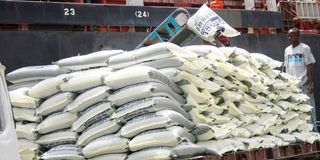
Kenyan farmers and the fertiliser supply chain could get a reprieve after Somali pirates released a cargo vessel carrying fertiliser bound for Mombasa, ending a four month ordeal that has highlighted rising piracy risks along the Horn of Africa shipping route.
Turkish-managed general cargo vessel Saint Kitts and Nevis-flagged MV Sward was released off Garacad on the Puntland coast after being held by pirates since April 26.
Security sources in Puntland said the pirates received a ransom estimated at $1.7 million (Sh219.3 million) before abandoning the vessel and heading ashore. The Sward was among several vessels seized by Somali pirates during a sharp resurgence of maritime crime this year.
The European Union Naval Force Operation Atalanta had earlier confirmed that the Sward was hijacked on April 26 while transiting towards Mombasa with a fertiliser cargo. The vessel was among four piracy incidents being monitored along the northern Somali coast at the time.
The International Maritime Organisation warned in July that seafarers aboard several hijacked ships were facing deteriorating conditions, including shortages of food and water.
According to shipping information provided to the Kenya Ports Authority, the vessel was expected to enter Kenyan waters around April 25 but was seized the following day off Somalia, disrupting its journey.
The disruption came at a difficult time for Kenyan agriculture with farmers already facing delays in accessing subsidised fertiliser amid global shipping disruptions linked to the conflict in the Middle East.
In early April, Agriculture Principal Secretary Paul Ronoh witnessed the arrival and offloading of the first batch of about two million bags of fertiliser at the Port of Mombasa. A second consignment was expected within weeks for use in top dressing.
The fertiliser programme was designed to reach millions of farmers through National Cereals and Produce Board depots, cooperative societies and certified Kenya Tea Development Agency centres.
Hijacked off Somalia waters
The Sward's release, however, does not immediately mean the fertiliser cargo will reach Kenya without further checks. The vessel still has to navigate waters where piracy and other maritime security threats remain elevated before reaching Mombasa.
The Kenya Coast Guard Service had earlier said it was sharing information with international maritime security agencies and monitoring developments after the vessel was seized off Somalia.
“It was unfortunate a vessel enroute to Mombasa was hijacked off Somalia waters but Kenya is working with international security agencies including Somalia government to control the situation,” Kenya Coast Guard Service Director-General Bruno Shioso said at the time.
The Sward was not only held for ransom. Security sources said the pirates also used the vessel as a mothership, enabling them to operate farther from the Somali coast and launch attacks on other vessels.
The hijacked ship was reportedly used in the seizure of at least two Iranian fishing vessels and was also linked to piracy operations involving the Cameroon-flagged cargo vessel MV Lutuf.
The Lutuf was later freed in an operation involving Somali and Turkish forces, with Somalia saying military pressure had been used against the pirates.
Somalia's Foreign Affairs Ministry said the vessel was freed on August 29 as part of efforts to dismantle piracy networks operating along its northeastern coast.
The release of the Sward comes as international authorities warn that Somali piracy has made a significant comeback.
An analysis of IMO data by Agence France-Presse found at least 15 piracy attacks in the wider Horn of Africa region since the beginning of 2026, the highest level since 2013. The region recorded only five attacks in 2025.
The IMO has separately warned that the resurgence left more than 90 seafarers captive at one point, with six vessels being held by pirates and armed robbers in August.
The revival of piracy is adding pressure to an already troubled global shipping system. Disruptions around the Red Sea, Gulf of Aden and the Strait of Hormuz have forced shipping companies to reconsider routes, with longer voyages translating into higher fuel, insurance and freight costs.