Farmers in Kenya, who were eagerly waiting for the second batch of fertiliser during the current planting season, will have to wait longer after it emerged the vessel hijacked by the suspected pirates was carrying fertiliser destined for Mombasa.
A Turkish-managed cargo vessel, MV Sward, which was hijacked by suspected pirates approximately six nautical miles northeast of Garacad, Somalia, is carrying approximately 4,500 tonnes of fertiliser destined for the Mombasa port. This is likely to affect the regular supply of fertiliser to thousands of farmers across the country.
According to a shipping line list by the Kenya Ports Authority (KPA), MV Sward was expected on Kenyan waters on April 25, 2026, but encountered challenges while transiting from Suez, Egypt, before it was captured by suspected Somali pirates on April 26.
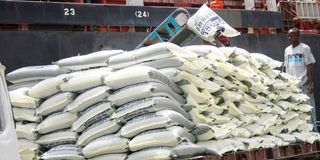
Workers offload imported fertiliser from a vessel on the Port of Mombasa.
Photo credit: File | Nation Media Group
Agriculture Principal Secretary Paul Ronoh, in early April, witnessed the offloading of the first batch of two million bags of fertiliser at the Mombasa port, after weeks of delay due to disruption linked to the US-Israel war with Iran.
A second consignment of fertiliser imports had been expected to arrive at the Mombasa port within three weeks for distribution to six million farmers through 354 depots run by the National Cereals and Produce Board (NCPB), cooperative societies, and certified Kenya Tea Development Agency (KTDA) centres across the country.
This year, farmers faced a delay in accessing subsidised fertiliser as global shipping disruptions forced vessels to reroute via South Africa, slowing delivery timelines, but the hijacking of the vessel complicates the matter further.
“It was unfortunate that a vessel en route to Mombasa was hijacked off Somali waters, but Kenya is working with international security agencies, including the Somali government, to control the situation. We have not received any information from the attackers, but we hope the vessel will be released soon,” Kenya Coast Guard Service (KCGS) Director General Bruno Shioso said.
Kenya Ships Agents Association (KSAA) CEO Elijah Mbaru warned the hijack incident could trigger a rise in freight costs as vessels may opt for longer routes and buy special insurance cover against piracy.
“These additional costs, while protecting crews and cargo, will inevitably be passed along the supply chain, impacting global trade and energy prices. The threats are real, and this will force many ship owners to buy marine kidnap and ransom cover, insuring themselves against the cost of raising and delivering multi-million-dollar ransom payments, and if this happens due to increasing cases of piracy,” said Mr Mbaru.
Workers offload imported fertiliser from a vessel on the Port of Mombasa.
Photo credit: File | Nation Media Group
In August 2022, after piracy in Somalia was suppressed, the International Maritime Organisation (IMO), the UN agency responsible for the safety and security of shipping, issued a formal notification to member states on the removal of the Indian Ocean from the list of High Risk Areas (HRA0 lowering the cost of sea freight.
The removal of the HRA was due to the region's improved security situation after a decline in piracy cases, which positioned East African ports in a better position to attract more business in the region.
The discontinuation of the Indian Ocean High-Risk Area has saved businesses billions of shillings in insurance fees, ultimately lowering the prices of goods in Kenya and the wider Eastern African region.