Kenya’s tourism sector is roaring back to life, with the Coast region and national parks witnessing unprecedented visitor numbers ahead of the Christmas and New Year holidays.
Hotels and resorts across Diani, Malindi and Mombasa are fully booked, while national parks, reserves and conservancies have reported a 43 per cent increase in visitors over three years.
Industry stakeholders attribute the surge to improved travel infrastructure, aggressive marketing and regional political dynamics, including heightened political temperatures in neighbouring Uganda and Tanzania, which have redirected tourists to Kenya.
The Open Skies Policy and the launch of the Mombasa Commuter Railway have further enhanced accessibility at the Coast region, according to stakeholders. New airlines leveraging the policy include RwandAir, which recently returned to the Coast, and Freedom Airlines, which launched its inaugural thrice-weekly flights.
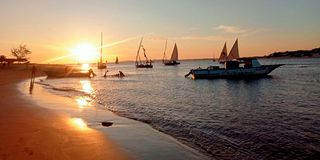
Tourists watch sunset at the Majlis area along the Ras Kitau beach in Lamu.
Photo credit: Kalume Kazungu | Nation Media Group
“We have seen an upsurge of tourists flocking to the Kenyan coast, with most hotels fully booked. This is because of the heightened political temperatures in neighbouring countries. We are also in the high season, which will spill into early next year,” said Dr Sam Ikwaye, Mombasa Tourism Council chairperson.
Hotels, including Diamonds Leisure Beach and Golf Resort and Hotel Sapphire reported full capacity, welcoming both domestic and international tourists, particularly from Europe. Transport operators, from airlines to the SGR, have introduced extra services to meet the demand, boosting the region’s economic activity.
“New airlines will boost our city’s access and economic opportunities,” said Mombasa Governor Abdulswamad Nassir, welcoming carriers such as RwandAir and Freedom Airlines.
Safety has also been a priority, with heightened patrols and surveillance across the Coast. Governor Nassir and Coast regional police commander Ali Nuno confirmed enhanced security measures, particularly addressing petty crime and the activities of ‘commercial’ street urchins, some arriving from neighbouring countries.
The sector has also been significantly boosted by high-profile activities, including the 2025 East Africa Safari Classic Rally.
Chairman of the rally Joey Ghose, said the biannual event is crucial for global exposure. The rally has attracted 59 entries, with 48 from 75 different countries. Drivers from Rwanda, Tanzania, Zambia and Angola are participating.
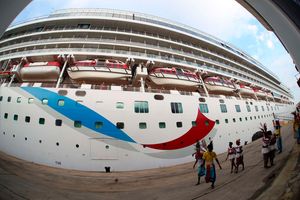
Tourists walk out of MV Crystal Symphony cruise ship at the Port of Mombasa on March 31, 2025.
Photo credit: Wachira Mwangi | Nation Media Group
The tourism boom is also mirrored in Kenya’s wildlife sector, where visitor numbers to national parks, reserves and conservancies rose from 2.36 million in 2022 to 3.38 million in 2025. Domestic tourists now make up nearly 70 per cent of all visits, according to KWS Director-General Erustus Kanga.
“This reflects the increasing importance of domestic tourism in Kenya’s wildlife and adventure sector, showing how more Kenyans are visiting our parks and contributing to both conservation and local economies,” said Dr Kanga.
Revenue has surged from Sh4 billion in 2022 to Sh7.98 billion in 2025, enabling KWS to cover 90 per cent of its operational expenses internally and strengthening its financial independence.
In an interview, Dr Kanga said technology has played a critical role in modernising conservation. Satellite internet now enables real-time communication across all parks.
Drones, GPS collars, long-range radio networks, thermal cameras and digital monitoring platforms help track wildlife, monitor threats, and guide ranger patrols. These systems have improved response times to poaching incidents and visitor safety.
Intensive protection measures have boosted Kenya’s rhino population from 1,890 in 2022 to 2,102 in 2024, reversing previous declines.
New sanctuaries have been established in Loisaba and Segera, Laikipia County, while over 3,600 animals, including 53 elephants, have been relocated nationwide to restore ecological balance. KWS veterinarians now undertake over 1,500 wildlife treatments and rescues annually.
Community engagement has been central to conservation success. Programmes include water infrastructure, predator-proof bomas, classrooms, bursaries, beehives and youth sports initiatives. Solar-powered wildlife barriers and predator-deterrent lights have reduced livestock losses and human-wildlife conflict across several counties.
This Friday, Kenya will mark Jamhuri Day 2025 under the theme “Tourism, Wildlife, and Meetings, Incentives, Conferences and Exhibitions (MICE)”.
This year’s Jamhuri Day Thematic Week, running from today to Thursday at the Kenyatta International Convention Centre (KICC), is showcasing a sector that has undergone transformations in recent history.