

Why You Cannot Farm Ants for Export
Caught Between Demand and Survival
At first glance, farming ants for export might sound like a clever business idea. Ants are small, easy to keep, and exist in huge numbers. But recently, ants have come under the spotlight for illegal export, driven by demand for exotic pet collections, research markets, and even niche commercial uses.

Unlike typical farm animals, ants are extremely difficult to manage in controlled environments. They are small, mobile, and reproduce rapidly.

Ants can easily become invasive when removed from their natural habitat. As invasive species, they can destroy local ecosystems, eliminate native insect species and damage crops and agriculture.
Farming ants for export increases the chances of spreading these risks to other regions.
Breaking the illegal trade
Many countries have strict laws against the movement of live ants across borders. These laws exist to prevent environmental damage and protect biodiversity.
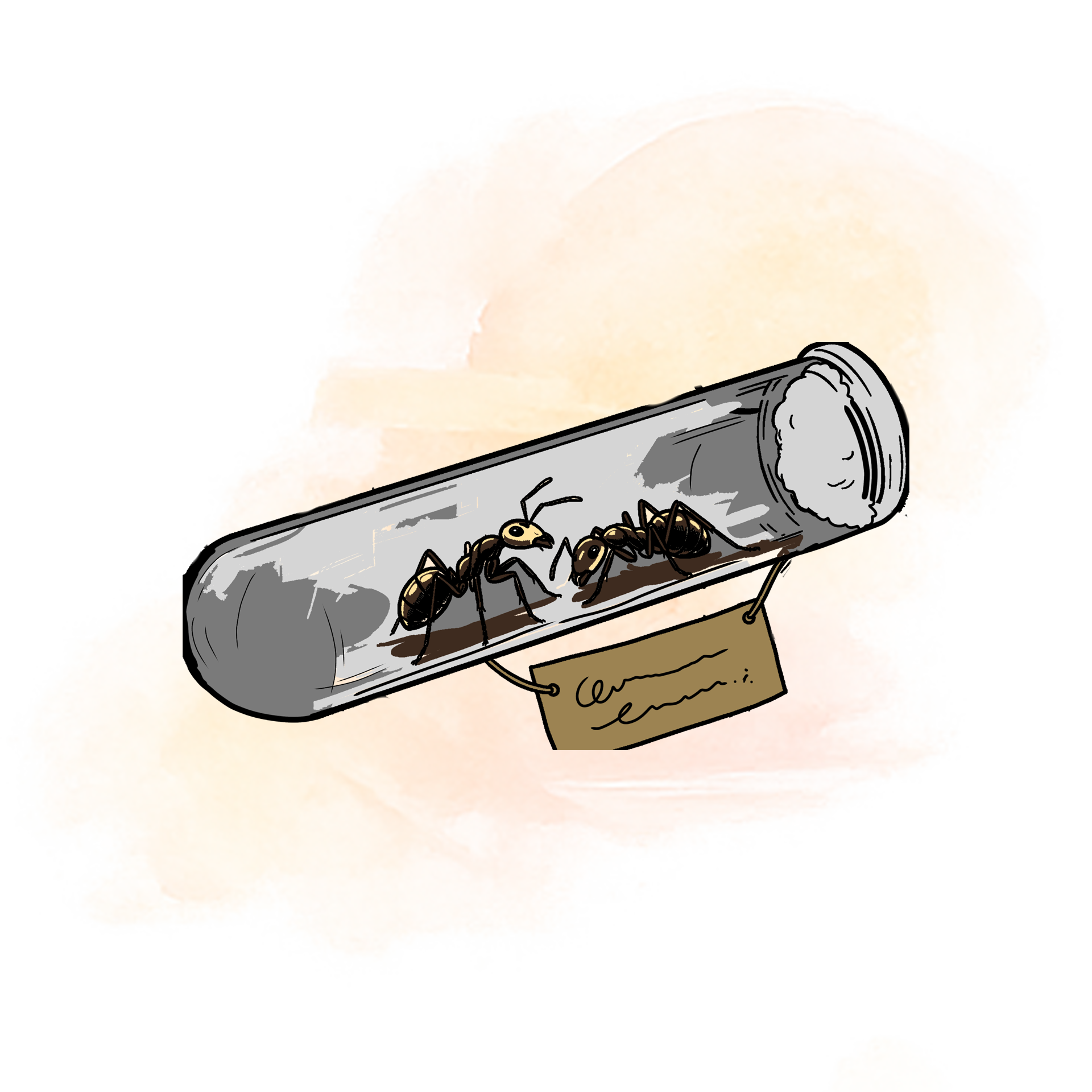
As a result, farming ants for export is often heavily regulated or completely banned. Some ants pose direct risks to humans. Certain species sting aggressively and can cause harm in large numbers.
Farming such ants would create unsafe working conditions and increase the risk of accidental exposure.

Court records show that smugglers have diversified from the usual elephant tusks and rhino horns, into smaller wildlife trophies that are popular in Asia and Europe, but also seemingly easier to conceal.
Pangolins
Pangolins are heavily traded on the black market, where soaring demand and high prices have pushed the species toward critical endangerment. Going by the court papers, a kilo of pangolin scales averaged Sh60,000 on the black market.
"Many Kenyans have never seen a pangolin or even heard of one leaving them unaware of its role in the wild or the danger it faces. This lack of awareness has led to fear and, at times, the killing of the animal simply because it is unfamiliar", the Kenya Wildlife Service notes.
Yet for others, knowledge of the pangolin’s value on the black market tells a different story. Its scales, prized in parts of Asia for traditional medicine, rituals, and decoration, have made the shy, critically endangered creature a target despite the risks of prosecution.

The pancake tortoise
The pancake tortoise, a small and unusually flat-shelled reptile native to Kenya’s rocky outcrops, particularly in arid regions such as Kitui County, Samburu County, and Marsabit County now critically endangered due to habitat loss and illegal pet trade.
Its population has declined sharply limiting recovery and intensifying conservation challenges despite strict international protection and trade controls.

The way forward
Efforts to farm endangered wildlife for export often present a tempting solution, but in reality, they fail to address the root of the problem. Many species such as pangolins and the pancake tortoise have slow reproduction rates, and low tolerance to captivity, making large-scale farming biologically and economically unviable.
More importantly, legalizing or promoting farming can inadvertently fuel demand, providing cover for illegally sourced animals and further endangering wild populations.
Conservation, therefore, cannot be replaced by commercialization. Protecting habitats, strengthening enforcement, and reducing demand remain the only sustainable paths to ensuring these species do not disappear entirely.


