Premium
Invest heavily in housing, urban transport
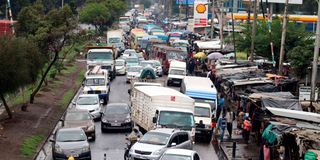
Traffic jam on Jogoo Road in Nairobi.

The government and counties must seize this moment—not only to address the housing crisis but also to invest seriously in public transport across towns and cities.
Recent elevations of towns into cities have seen a surge in housing developments, particularly affordable units, aimed at easing pressure from rapidly growing populations.
But as more people move to these estates, daily commuting becomes a critical challenge. In Nairobi, for instance, many residents travel from the outskirts of the metropolitan area into the city for work, placing enormous strain on already ageing and insufficient road infrastructure. Nairobians rely heavily on 14-seater matatus, minibuses, boda bodas, and tuk-tuks to reach the central business district.


Hours lost in traffic jams—sometimes stationary for long periods—translate into staggering economic and social costs. A UN-Habitat study estimates Nairobi’s traffic jams cost $600,000 daily in lost work hours, wasted fuel, and increased pollution that worsens the city’s climate impact.
Similar pressures are mounting in Mombasa, Nakuru, and Kisumu, making the problem national. A comprehensive public transport system—featuring high-capacity buses, light rail, and dedicated lanes—remains a necessity. Nairobi once planned a Bus Rapid Transit System (BRTS), which almost took shape in 2020, but the initiative stalled.
Housing projects
Well-functioning urban transport is expensive, particularly rail networks, but delaying investment only increases the human and economic costs.
Road infrastructure should be designed alongside housing projects to ensure smooth traffic flow. Nairobi urgently needs rail networks, CBD decongestion measures, cycle lanes, and safe pedestrian walkways. A reliable system—clean, comfortable buses and trains that run on schedule—will encourage residents to leave personal vehicles at home.
Affordable housing is a positive step, but without coordinated transport solutions, cities will remain gridlocked.
Investing in public transport is no longer optional—it is the most effective way to ease traffic congestion, improve urban mobility, and enhance the quality of life for millions of city residents.
Follow our WhatsApp channel for breaking news updates and more stories like this.
Mr Kigo is a retired environment officer. [email protected]