We began this year with the desire to protect the crucial milestones made by climate multilateralism over the last 30 years by demanding more for our planet.
On the 10th anniversary of the Paris Agreement, we had hoped that world nations would finally agree on a roadmap to bring an end to the destructive era of fossil fuels and put forward ambitious emission reduction targets. The national climate plans submitted this year, known as Nationally Determined Contributions, sadly tell a different story.
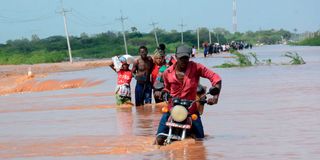
In 2025, floods, droughts, and heatwaves multiplied in frequency and magnitude, resulting in record losses and damages in Africa and globally. Meanwhile, the actions of national governments didn’t rise to match the urgency needed or deliver the scale of finance required to protect frontline communities.
Our world is not changing; it has changed, and so must we. Climate catastrophes will not relent. Scientists have warned that 2025 is on course to become the third-hottest year ever recorded. This calls for sober reflections as we move into the second half of this critical decade of action.
The effectiveness of climate multilateralism in combating the crisis was challenged in a year when fractious geopolitics and the disruptive presidency of Donald Trump complicated climate diplomacy. This uncertainty will persist in the years ahead, as will the scrutiny on climate multilateralism.
As many of us have observed before, the multilateral process is our best shot at slaying the climate dragon and all its appendages of injustice, extraction, energy poverty, food insecurity, and socioeconomic exclusion. Multilateralism gave us the Paris Agreement, the Loss and Damage Fund, the decision to transition away from fossil fuels, and this year, nations agreed on the Just Transition Mechanism to ensure the global energy transition is fair.
We must all defend this process. But the process must also deliver tangible transformation for frontline communities in Kenya, Africa, and the Global South. The gravity and magnitude of the crisis demands that nations work together, not pull apart. Africa is rising, and its climate leadership is undeniable. By hosting a successful and truly African second edition of the Africa Climate Summit, Ethiopia demonstrated the continent’s climate leadership credentials. Africans have what it takes to steer the world towards a fair, ambitious, and climate-compatible future.
It was great to hear that Ethiopia will be hosting the COP32 climate summit in 2027. Africa must unite to support the Ethiopian COP32 presidency to ensure Africa stages a transformational summit that delivers a historic deal for people and the planet. Where wealthy nations fall short, Africa and the Global South have shown they are ready to step in and step up.
Despite the disruptive geopolitics and withdrawal of funding from renewable energy and development projects in Africa, the transition away from fossil fuels is accelerating. African governments must continue to push for increased investments in renewable energy, adaptation action, and green industrialisation to create jobs and spur development on the continent.
In 2026, the scale of the challenge will mount. African civil society must, therefore, step up its moral role of challenging defective development models to build new evidence and narratives that disrupt the status quo and shape the global climate discourse by demanding climate and energy justice anchored in African priorities.
The Nairobi Climate Talks Series has shown how convening African governments, scientists, negotiators, and other experts can build political pressure and inspire collaborations that deliver real actions to the African people. It’s through this unity of purpose and strategic advocacy that the profile of climate adaptation as Africa’s priority continues to become a central pillar of international climate negotiations.
Yet even with its soaring prominence, adaptation remains critically underfinanced, with the funding gap widening every year – as African lives, livelihoods, infrastructure, ecosystems, and economies are jeopardised. The warm words about adaptation in the climate talks must be matched by the delivery of resources provided to help build resilience and boost the adaptive capacity of our people.
The notion of a poor continent amid mineral wealth, agricultural abundance, and youthful talent is absurd and insulting. In 2026, Africans must finally wake up to the realisation that the continent isn’t poor. We’re misgoverned, exploited, and taken advantage of. It cannot be remotely just that 600 million of our people aren’t connected to electricity while Africa is home to 40 per cent of the total global renewable energy potential. How can the people of the Democratic Republic of Congo languish in poverty and darkness while millions of tonnes of precious stones vital for clean energy technologies are trucked from their country every year? This is poverty by design that Africans must reject comprehensively.
We all have a sacred obligation to join the fight this coming year with greater ambition, resolve, and Africa’s just energy transition at the centre –with the understanding that the window to ensure a safe and prosperous future for us all is shutting fast.