Premium
Exposé should inspire national healing efforts
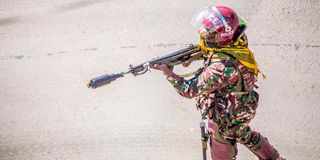
A police officer aims a teargas canister Anti-Finance Bill at protesters on June 25, 2024 on Kenyatta Avenue in Nairobi.

The recently aired BBC documentary “Blood Parliament” is a searing account of the violence that rocked Kenya during the anti-Finance Bill protests. It has not only shaken the conscience of the nation, but reopened deep wounds of families who lost their loved ones at the hands of security officers who were meant to protect them.
The exposé confirms what many Kenyans already suspected: that elements within the National Police Service, Kenya Forest Service and the Kenya Defence Forces were mobilised and manipulated by the political elite to mete out violence against innocent citizens. Instead of protecting peaceful demonstrators exercising their right to assembly, these officers became enforcers of fear, silencing dissent with bullets and batons.
However, by revealing identities and operational details of the officers involved, the film has inadvertently endangered the lives of those officers and their families. The circulation of their images on social media has turned into a digital manhunt, potentially inciting mob justice and retaliation.


But beyond the faces shown and the footage aired, documentary has ripped the bandage off a festering wound. The trauma is still fresh for the families whose children never came home, whose loved ones were buried without answers, and whose cries for justice have been met with deafening silence from the State.
If the government hopes to salvage what remains of public trust, it must act decisively and transparently. The first step must be to acknowledge that mistakes were made—not with PR statements, but through formal, public admissions. It must then commit to an independent investigation into the abuses documented, with a clear mandate to identify and prosecute rogue officers and those who issued unlawful orders.
Secondly, the government should establish a truth and justice commission for victims of police brutality during protests. Such a body should provide reparations to affected families and psychological support to those still living with trauma.
Finally, a radical overhaul of our security is needed. We need reforms that emphasise de-escalation, community policing and accountability.
The path to healing is long, but it starts with truth.
Samfelix Randa