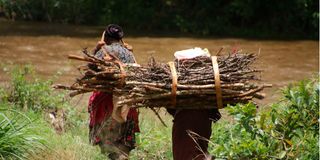
The World Bank reports that 80 per cent of the world’s extreme poor live in rural areas.
We must reimagine the financial architecture that governs rural development.
Rural communities are the quiet wheels that power our world: hubs of food production, guardians of the most critical ecosystems, and anchors of cultural heritage. Yet they remain some of the most underinvested and overlooked. As the world confronts the polycrises of climate change, poverty, and food insecurity, there is a growing recognition that rural transformation is not optional. It is an essential part of building lasting resilience for any nation and it must begin with meaningful investment, not just acknowledgment.
Sunday, July 6, we mark a historic milestone: the first-ever World Rural Development Day. For the first time, the United Nations has formally recognised what rural communities have always known: that the future of our planet depends on the vitality, resilience, and ingenuity of rural people. This is a long-overdue acknowledgment: that we cannot build a just, sustainable, and prosperous world while half of humanity (those who grow our food, safeguard our forests, and sustain our cultures) are left behind. Yet this moment is as ironic as it is inspiring. Because while rural development is finally being celebrated in principle, in practice it remains chronically underfunded. Rural communities are hailed as essential, but rarely resourced as such. There is a persistent disconnect between global rhetoric and real investment.