Hello

Your subscription is almost coming to an end. Don’t miss out on the great content on Nation.Africa

Ready to continue your informative journey with us?

Hello

Your premium access has ended, but the best of Nation.Africa is still within reach. Renew now to unlock exclusive stories and in-depth features.

Reclaim your full access. Click below to renew.

Diesel prices fall Sh5 as petrol, kerosene hold steady

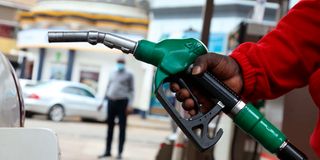
Fuel pump

The escalating prices of fuel have led to a sharp jump in cost of living, with inflation hitting a two-year high of 6.7 percent – the highest in slightly over two years.


Photo credit: File | Nation Media Group

Diesel prices have dropped by Sh5 per litre in the monthly cycle to September 14, in what is expected to help ease inflation even as petrol and kerosene prices remained unchanged.

A litre of diesel is to cost Sh217.86 in Nairobi from midnight, but petrol and kerosene will remain unchanged at Sh214.03 and Sh191.38 per litre, respectively.
The fall in diesel prices is expected to help ease inflation—a measure of the cost of living— given the integral role of diesel in powering the Kenyan economy.

Inflation edged up to 6.5 percent last month from 6.4 percent in June, largely driven by higher transport costs.

“In the period under review, the maximum allowed petroleum pump prices for diesel decreases by Sh5 per litre while the price of super petrol and kerosene remain unchanged due to additional government stabilization support measures of Sh938 million,” Joseph Oketch, the acting Director General of the Energy and Petroleum Regulatory Authority (Epra) said in a notice on Friday afternoon.

A cross-subsidy prevented prices of petrol from rising by at least Sh8 per litre in the wake of the higher landed costs (price of product and transport costs) last month compared to June.

Cross-subsidisation allows the Exchequer to share the subsidy burden with consumers of at least one of the three grades of fuel in order to cushion either one or two consumer segments.

Diesel is the main fuel in the Kenyan economy and it is used to power farm machinery, public transport, industries and electricity generation, with farmers, service providers and manufacturers factoring the cost of diesel into the pricing of their goods and services.

Follow our WhatsApp channel for breaking news updates and more stories like this.


