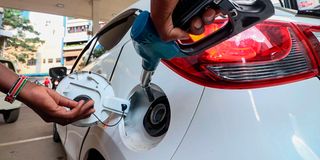
The Energy and Petroleum Regulatory Authority (Epra) has reviewed fuel prices after countrywide protests which paralysed transport on Monday.
In the new prices, which will take effect from May 19, 2026, Epra reduced the price of diesel per litre by Sh10.06, while that of kerosene was increased by Sh38.60 per litre.
This means that diesel will retail at Sh232.86 per litre in Nairobi, while kerosene will retail at Sh191.38 per litre. The price of Super petrol remains unchanged and will sell at Sh214.25.
Deputy President Kithure Kindik i said the President, through an online meeting, directed four Cabinet Secretaries to address the fuel crisis following Monday’s countrywide transport sector protests.
“I will personally lead this meeting to ensure we come up with a solution to the high prices of fuel,” Prof Kindiki said.
Cabinet secretaries Opiyo Wandayi (Energy and Petroleum), John Mbadi (National Treasury), Davis Chirchir (Transport) and Kipchumba Murkomen (Interior) met stakeholders.
Addressing Tharaka leaders at his Irunduni residence on Monday afternoon, Prof Kindiki said the government was ready to further cut fuel taxes to ease disquiet.
The Ministry of Energy and Petroleum defended the fuel hike, saying the May 14, 2026 review of petroleum prices was undertaken against the backdrop of sustained volatility in the global oil market due to the ongoing conflict in the Middle East.
Mr Wandayi said that, as a net importer of petroleum products, Kenya — like many other economies — remains exposed to external market dynamics.
According to the Energy Ministry, the average landed cost of imported super petrol increased from USD 823.27 per cubic metre in March 2026 to USD 906.23 per cubic metre in April 2026, representing a 10 per cent rise.