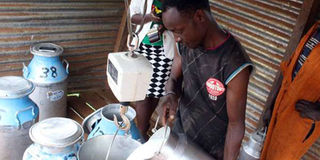
The quantity of milk purchased by processors from dairy farmers rose by 13.1 per cent in the nine months to September, signalling increased production by farmers.
Data from the Kenya Dairy Board shows milk intake hit 661.87 million litres during the nine-month period, compared to 585.08 million litres that processors bought from farmers in the same period in 2023.
It is the highest volume of milk purchased from farmers on record, indicating the high volume of production from dairy farmers as well as increased demand for milk from consumers.
Kenya Dairy Board Managing Director Margaret Kibogy told the Daily Nation that the increased output was primarily driven by increased availability of feed for dairy animals due to the heavy rains during the year.
“We are a primarily rain-fed economy. The heavy rains this year helped farmers access feed for their animals much more easily and cheaply,” said Ms Kibogy.
She further attributed the increased output to a growth in the conservation of animal feeds by farmers, which has enabled them to improve the availability of fodder for their dairy cows.
“Maize is a major feed and there was increased supply, particularly this year not only because of the rains but also the government subsidy which lowered production costs,” added Ms Kibogy.
However, the increased supply of milk has not significantly changed the retail prices of the commodity. According to the Kenya National Bureau of Statistics data, milk prices went down marginally by 0.8 per cent in September 2024.
The statistics agency shows that the price of a litre of fresh packaged cow milk averaged Sh57.04 last September, marking a slight drop from Sh57.47 in September 2023.
Processors’ milk purchases from farmers are on course to surpass last year’s volumes, which hit a record of 810.76 million litres. However, it is estimated that about 80 per cent of Kenya’s milk is marketed informally and is, therefore, not captured in the formal data.
Kenya has an estimated 1.8 million smallholder farmers, who account for about 80 per cent of producers. Despite this, local milk production remains below demand, with the country forced to import from neighbours, particularly Uganda, to plug the deficit.
The government is, however, targeting reforms in the sector, which if implemented, will improve not only the quantity but also the quality of milk being produced for sale by local farmers. To incentivise dairy farmers, the government, for instance, in a new Bill proposes to have farmers paid within 30 days of milk delivery to processors.
The Dairy Industry Bill, 2024 also introduces a guaranteed minimum price for raw milk in a move to reduce the exploitation of farmers by processors, especially during periods of a glut in the market.
“The guaranteed minimum producer price for raw milk shall be as prescribed, and shall be on the basis of different animal species,” it says.