Kenya has suspended a planned increase in electricity tariffs that was due to take effect on July 1, citing the need to shield households, businesses and industries from higher energy costs amid rising inflation and public discontent over fuel prices.
Energy and Petroleum Cabinet Secretary Opiyo Wandayi on Wednesday announced that Kenya Power had withdrawn its application for a tariff review, effectively halting a public participation process that was scheduled to begin on June 15.
The decision comes as the government grapples with mounting economic pressure following recent fuel price increases that pushed inflation to a 27-month high of 6.7 per cent and triggered deadly protests across the country.
“Following consultations within government and engagement with key stakeholders in the sector, the retail electricity tariff review application that was submitted on March 31 this year by Kenya Power on behalf of the sector has been withdrawn,” Mr Wandayi said.
Cabinet Secretary, Ministry of Energy and Petroleum, Opiyo Wandayi, before the National Assembly Departmental Committee on Energy on Monday, April 13, 2026.
Photo credit: Dennis Onsongo | Nation
“This decision reflects the need to buttress a sustainable energy sector while protecting households, businesses and industries from possible cost escalation.”
The suspension is a setback for Kenya Power and other energy-sector agencies that had hoped to secure additional revenue to finance network upgrades, including the replacement of ageing transformers and expansion of transmission and distribution infrastructure.
Under existing regulations, electricity tariffs are reviewed every three years to account for inflation and changing sector costs. The proposed tariffs were expected to remain in force until June 2029.
High costs constrain manufacturing, undermine competitiveness, and burden low-income households most.
Photo credit: File
The move also underscores the government’s concern about the impact of higher electricity prices on the cost of living ahead of the August 2027 General Election.
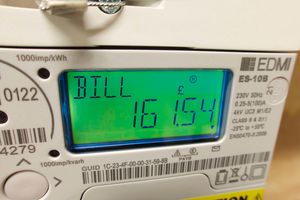
Electricity bills comprise a fixed tariff, which largely supports Kenya Power’s operations, and variable charges such as fuel and foreign exchange adjustment costs that fluctuate monthly and are used mainly to compensate power generators.
While the fixed tariff has remained unchanged in recent years, fuel and forex charges have varied depending on global market conditions and currency movements.
The last tariff review took effect in April 2023 and boosted Kenya Power’s earnings while providing funding for network expansion and other sector agencies, including the Kenya Electricity Transmission Company (Ketraco).
That review introduced a tariff increase in the first year and a reduction in the second year. Combined with lower fuel and foreign exchange adjustment costs, it helped reduce electricity bills for many consumers.
Official data shows that the cost of consuming 200 kilowatt-hours of electricity fell to Sh5,656.88 in April this year from Sh6,349.80 in April 2023.
Kenya Power has defended the proposed tariff increase, arguing that it requires additional funding to modernise an ageing network and accommodate growing demand.
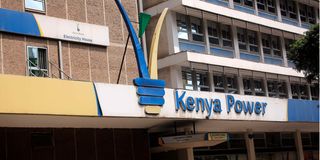
Kenya Power offices on Aga Khan Walk in Nairobi.
Photo credit: Dennis Onsongo I Nation Media Group
The utility now serves more than 10.2 million customers, with rising connections placing increasing pressure on transmission and distribution infrastructure.
The company has repeatedly warned that network constraints have contributed to widespread power outages as demand continues to grow.
The proposed tariff adjustment was also expected to add pressure to inflation, which has accelerated for the second consecutive month, driven largely by higher fuel costs linked to the Iran conflict.
Housing, water, electricity, gas and other fuels account for 18.3 per cent of the basket used to calculate inflation.
Last month, public transport operators staged a two-day strike over rising fuel prices, disrupting business activity in Nairobi and sparking clashes with police that left four people dead and about 30 injured.
Diesel prices had risen by 23.5 per cent to Sh242.92 a litre during the May-June pricing cycle before the government reduced them by Sh10 on May 18 in response to public pressure.
Analysts say a rise in electricity prices on top of higher fuel costs would likely have intensified pressure on consumers and businesses already struggling with rising living expenses.