For a profitable beef enterprise, investing in modern infrastructure is critical to improving efficiency and food safety across the value chain. At Ongole Beef's primary production hub in Rumuruti, Laikipia County, a modern automated halal slaughterhouse is helping transform how livestock and beef products are handled. The facility enables the farm and other players in the value chain to track an animal and its products through different stages of production, from the farm to the final consumer. Seeds of Gold spoke to Rajab Hassan, the abattoir manager about hygiene, meat safety, technology and value addition at the facility.
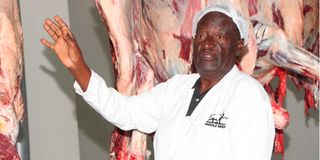
Rajab Hassan, the abattoir manager at Ongole Beef Farm in Rumuruti Laikipia County.
Photo credit: Richard Maosi | Nation Media Group
On matters hygiene in the slaughterhouse, how do you ensure that biosafety and biosecurity practices are maintained?
We ensure that all workers in the slaughterhouse wear appropriate personal protective equipment (PPE), including gloves, safety footwear, face masks, white dust coats and headgear, as well as gumboots or shoe covers.
The facility also follows guidelines covering emergency preparedness and response, clear roles and responsibilities, monitoring and evaluation, and risk communication.
These measures are important because Kenya faces growing threats from emerging infectious diseases, antimicrobial resistance and other biological risks.
How important is effective sterilization of slaughter equipment in ensuring that meat and its products are safe?
Hygiene begins with the environment because contaminants from the surroundings can be transferred to meat during slaughter and processing.
The materials used in constructing the abattoir are also important. Stainless steel is widely used because it is resistant to rust and can be cleaned and sanitized effectively.
Slaughtering equipment, including knives, are sterilised regularly to eliminate harmful bacteria and other microorganisms.
This helps reduce the risk of contamination, improve meat safety and maintain high-quality standards.
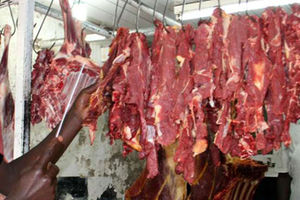
Fresh, high-quality beef has several characteristics. It should have a natural bright-red colour, caused by oxymyoglobin, or a deep purple-red colour when freshly cut or vacuum-sealed.
Consumers should avoid meat that appears pale, grey, brown or greenish, as such colour changes can indicate deterioration or spoilage.
Another important characteristic is marbling — the network of fine white flecks and streaks of intramuscular fat within the lean muscle fibres.
During cooking, this fat melts and contributes to tenderness, juiciness and flavour.
After slaughter, how can blood be converted into usable products rather than being treated as a pollutant?
Blood can be converted into useful commercial products through value addition rather than being treated as waste.
One of the products is blood meal, a dry powder made from processed animal blood. It can be used as an organic fertilizer and as a protein supplement in animal feeds, particularly poultry feed.
This approach provides an alternative source of protein while also contributing to waste management at the abattoir.
Other sources like soybean meal, black soldier fly larvae, and field peas can be used alongside bloodmeal and ensure your chickens have well balanced diet. Before skinning, the carcass is also properly washed to ensure that high standards of hygiene are maintained throughout the process.
Ongole's modular abattoir has incorporated technology into its operations. What equipment is in place?
These include tube-rail bleeding conveyor lines, comprising overhead rails and automated shackles that transport carcasses smoothly through the facility.
There are also electro-stimulators, which apply controlled low-voltage electrical currents to accelerate blood expulsion and improve meat tenderness.
The facility uses hide pullers or dehiding machines, which employ hydraulic rollers and mechanical grippers to remove hides efficiently and cleanly.
There are also deep chillers, which are critical for controlling temperatures, slowing bacterial growth and preserving meat quality.
Meat inspection is commonly perceived as sanitary control of slaughtered animals and meat. How do you ensure that meat is fit for human consumption?
Meat inspection involves visual examination of the external and internal surfaces of the carcass, including the limbs and joints.
Inspectors look for signs of contamination, inadequate bleeding, bruising and hemorrhages, among other abnormalities.
We work closely with meat inspectors from the county government of Laikipia, who examine carcasses and organs to determine whether they are fit for human consumption.
The inspectors also check for parasites, including the larval cysts associated with Taenia solium, commonly known as the pork tapeworm.
The inspection includes examination of muscles where cysts may occur, as well as organs such as the heart and kidneys.
The purpose of meat inspection is to prevent infected or unsafe products from entering the food chain.
Where an organ or part of a carcass is found to be unfit for consumption, it can be condemned and safely discarded.
One of the important factors in determining beef quality and value is marbling, which refers to the distribution of fat within the muscle.
The amount and distribution of fat influence the quality, tenderness, juiciness and flavour of meat and, ultimately, its market value and price.
Quality grades therefore help predict how tender, juicy and flavourful beef is likely to be when cooked.