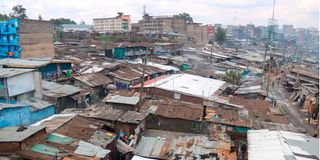
The rapid expansion of African cities represents one of the most significant demographic shifts of the twenty-first century. Across the continent, urban centres act as magnets for hope, yet they simultaneously struggle under the weight of historical neglect and modern environmental pressures. In Kenya, this struggle is most visible in the sprawling informal settlements such as Kibera and Mathare.
In these densely populated neighbourhoods, residents face a relentless battle against the elements. Poor drainage systems turn seasonal rains into devastating floods that wash away livelihoods. Inadequate waste management creates stagnant pools of pollution, while the urban heat island effect, exacerbated by a lack of green spaces and the use of heat-trapping corrugated iron sheets, makes indoor living almost unbearable during the dry season.
Climate change worsens these vulnerabilities, dismantling fragile coping mechanisms of the urban poor. As Africa’s population grows at an unprecedented rate, millions move into urban areas less prepared for environmental shocks. Much of Africa’s infrastructure is rooted in outdated designs meant for smaller populations and a more stable climate. Traditional planning cannot bridge this infrastructure gap.
The global housing shortage and the need for climate resilience are urgent everywhere, but Africa’s stakes are so real. Over 500 million Africans live in urban areas, and this number is expected to double by 2050. Without a radical shift in city planning and management, rapid urbanisation risks becoming a disaster of poverty and displacement.
Luckily, the second Africa Urban Forum (AUF2), held recently in Nairobi, marked a clear pivot. With the theme "Adequate Housing for All: Advancing Socio-economic and Environmental Transformation towards the Realisation of Agenda 2063," the forum reframed urban housing as a key driver of economic stability rather than merely a social concern. Leaders present linked climate-smart cities to the continent’s blueprint for industrialisation.
In an exclusive interview with Climate Action, COP31 Climate High-Level Champion Samed Ağırbaş expressed confidence that Africa can be resilient, provided it moves away from reactive strategies. He cautioned that African nations must plan for risk before the crisis arrives. Ağırbaş noted that up to 118 million extremely poor people across the continent could face drought, floods, and extreme heat by 2030, and proposed a three-pronged approach to building resilience.
First, Ağırbaş pointed to the restoration and protection of green spaces as critical infrastructure. He argued that restored wetlands, agroforestry, and urban tree canopies are survival tools.
"Wetlands absorb and slow floodwater," he explained, adding that every time a city loses green cover to accommodate unplanned growth, it becomes more vulnerable to the next disaster. The second pillar of his strategy is the integration of local and indigenous knowledge into urban planning. Ağırbaş highlighted that coastal and urban resilience requires the wisdom of the people living on the front lines.
Third, Ağırbaş linked poor waste management to urban climate risks, such as flooding from blocked drains.
He suggested that cities could mitigate disaster risk by reducing waste, recovering food, and managing water more efficiently. He urged leaders to prioritise these actions within Africa’s Action Agenda.
Central to Africa’s drive for resilient cities is the challenge of financing. The forum underscored that government budgets alone cannot bridge the infrastructure gap and proposed a blend of financing approaches, including Public-Private Partnerships, climate finance, and mixed-financing instruments. By leveraging international climate funds, leaders agreed, African cities can de-risk housing projects and attract private investment.
Beyond capital, Africa’s smart cities journey demands inclusive urban development and urgent policy dialogue. The forum underscored the necessity of robust policy frameworks that prioritise effective implementation over theoretical planning. For decades, Africa has suffered from a gap between policy design and implementation on the ground. To remedy this, the AUF2 called for a unified Africa Urban Agenda, a cohesive strategy that aligns local municipal actions with continental goals. This agenda seeks to break down the silos between government entities, private developers, and international development institutions.
Housing, dignity and growth
At a fireside chat during the forum, President William Ruto underscored the moral and economic weight of this mission. He asserted that affordable housing finance is the most viable path toward dignity for all citizens, noting "decent housing is not a luxury, but a fundamental human right that serves as the foundation for human dignity." The President positioned the Kenyan Affordable Housing Model as a template for the rest of the continent, posing, “When a government provides a secure home, it creates a virtuous cycle of growth and stability.”
Smart and resilient cities also extend to massive job creation. Deputy President Kithure Kindiki highlighted the tangible impact of the domestic housing program, noting that it has already generated 600,000 jobs. He remarked that by focusing on local labour and materials, the government ensures that the wealth generated by urbanisation stays within the community, directly addressing youth unemployment and industrial stagnation.
The resilient cities vision aligns with the African Union’s Agenda 2063 for an integrated, prosperous, and peaceful continent. By strengthening multi-level governance, African nations can mobilise long-term financing for housing and urban infrastructure to build cities that can withstand the climate realities of the next century. Expanding Public-Private Partnerships is now a necessity for sustainable development, as the private sector brings the innovation and efficiency required to scale these projects across 54 nations.