Ojwang widow’s burial rites omission reignites Luo customs debate
Scroll down to read the article
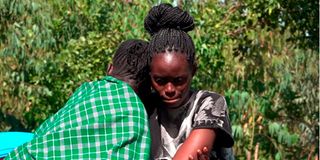
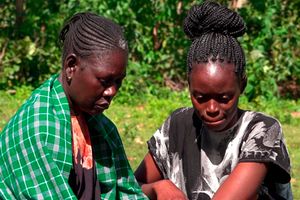
Albert Ojwang's mother Eucabeth Adhiambo Ojwang (left) with his widow Nevinina Onyango Omondi at their home in Kokoth Village, Homa Bay County on June 9, 2025.
Recent viral videos have exposed controversial burial rituals in Kenyan communities, particularly the custom of widows casting soil onto their husband's coffin.
This is meant to symbolise eternal ties to the family, but has led to public shaming and even assault.
Cultural elders offer conflicting interpretations, highlighting the complex clash between tradition, personal grief, and social media scrutiny.
The advent of smartphones and social media has revolutionised the way people capture and disseminate information, with videos and opinions capable of reaching thousands within moments.
This digital transformation has exposed cultural practices once confined to oral tradition, rituals previously known only through whispered accounts now play out before global audiences.
One such tradition pertains to burial rites within certain Kenyan communities.
A longstanding custom requires close family members of the deceased person to cast a handful of earth onto the coffin just before the grave is covered with soil.
This act symbolises the return of the deceased to the earth, in accordance with Genesis 3:19: "For dust you are and to dust you will return."
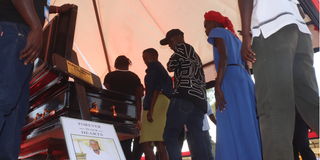
Mourners view the body of Albert Ojwang at Nyawango Primary School in Kabondo Kasipul, Homa Bay County on July 4, 2025.