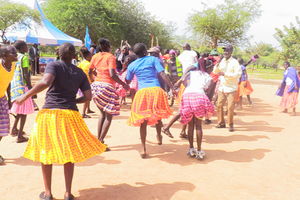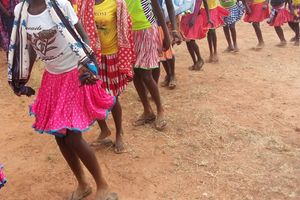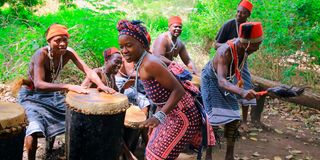
Gonda ya Bara Isanga Cultural Dance Troupe from Bura in Taita Taveta perform the Mwazindika dance to a team of experts from Unesco.

The United Nations has inscribed a Taita traditional dance, Mwazindika, to safeguard it from extinction, recognising the imminent threats posed by rural-urban migration and opposition from religious institutions.
Mwazindika's inscription was made on December 9, 2025 by the United Nations Educational, Scientific and Cultural Organization (Unesco) during the 20th session of the Intergovernmental Committee for the Safeguarding of the Intangible Cultural Heritage in New Delhi, India.
The session, which was chaired by Vishal V. Sharma, Ambassador and Permanent Delegate of India to Unesco, adopted the information and exchange meeting which was held at Unesco headquarters in Paris on October 23, 2025 to inscribe the dance.
Gonda ya Bara Isanga Cultural Dance Troupe from Bura in Taita Taveta perform the Mwazindika dance to a team of experts from Unesco.
Mr Mwaliko wa Maghenda, a Taita elder, told the Daily Nation that the move was initiated after the culture continued to deteriorate as a result of youth migration and opposition from religious institutions.
He said the Mwazindika spiritual dance is a traditional practice used to promote individual and communal well-being among the Dawida community. It combines dance, music, ritual, and storytelling, and is performed during important events such as rites of passage, harvests, coronations, and times of crisis like droughts or floods.
“Since many people were converted to Christianity, they began overlooking Taita culture leading to lack of generation handover. With the inscription of Mwazindika in the Unesco list, it will help safeguard the dance,” he said.
The Mwazindika, which is more than a spiritual dance, intertwines with the daily life of the Dawida community, marking milestones and providing solace in times of calamity. The ritual's pulsating rhythms and dramatic flair create an electrifying atmosphere, while a symbolic traditional brew symbolizes a connection to the past and reverence for ancestors.
The dance features rhythmic drumming, singing, and movements that can lead participants into a trance, often used to express or reveal their condition.
Promote Taita culture
The dance is primarily performed by women, while men lead the drumming and rituals. The related knowledge and skills are transmitted informally through family and community teaching, regular performances, and festivals.
The element is believed to promote physical, mental, and spiritual well-being. It is also regarded as a means of strengthening social solidarity and warding off disasters and misfortune.
The safeguarding journey began on February 20, 2024, when a Unesco-led delegation, joined by representatives from the Kenya National Commission for Unesco, Ministry of Gender, Culture, Arts and Heritage, Permanent Presidential Music Commission, and the County Government, embarked on a three-day journey to unveil the secrets of the Mwazindika Spiritual Dance.
Their goal was to secure its nomination for the Unesco Intangible Cultural Heritage list, to safeguard the dance from extinction, recognizing the imminent threats posed by rural-urban migration and opposition from religious institutions.
During their expedition, the delegation delved into Taita Taveta County, exploring Bura-Nyolo village, Mrughua Village, Mwasange, and Mwangeka scull caves in Mwanda, engaging with the community and seeking authentic insights.
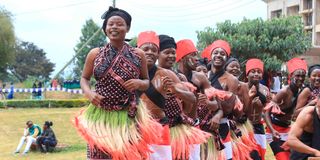
Coast Institute of Technology Voi rehearses a Taita folk song entitled ‘Mwazindika’ during the Kenya Music Festival at Dedan Kimathi University in Nyeri on August 15, 2018.
Workshops, discussions, and demonstrations enabled collaboration with local leaders to ensure the nomination accurately reflected the cultural heritage and demonstrated the urgent need for safeguarding.
"In safeguarding the Mwazindika, we're preserving a sacred thread that binds generations, fostering cultural continuity, resilience, and the invaluable legacy of our shared humanity," said Dr Masanori Nagaoka, Regional Advisor for Culture at Unesco.
During the inscription in New Delhi, Taita-Taveta County Deputy Governor Christine Kilalo said heritage has been deteriorating for many years and the campaign to safeguard the dance will preserve the culture for the next generation.
Ms Kilalo added that the move will not only safeguard the dance but will also promote Taita culture in other countries.
“By placing the dance in the world map, it will not only safeguard our only tourism item but will help in passing the rite to the next generation,” said the deputy governor.