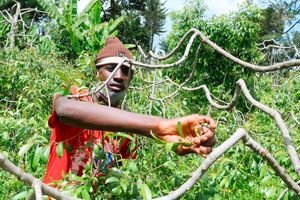
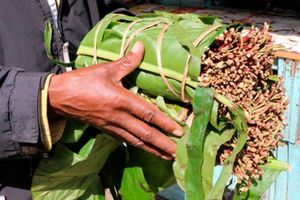
Caption for the landscape image: Tana River serves bitter Bill to miraa and muguka traders Monday, September 29, 2025 Scroll down to read the article A basin of muguka and a bunch of miraa. For years, miraa and muguka traders in the county have operated under a standard Sh3,100 business licence. Photo credit: File | Nation By Stephen Oduor Correspondent Nation Media Group Article Related In the bustling evening markets of Hola town in Tana River County, bundles of miraa (khat) and muguka once changed hands with speed and purpose. Today, however, the same traders wear long faces and their voices are tinged with despair. PREMIUM Miraa traders take on CS Kagwe over threat to revoke export licenses The traders are now calling for deliberate efforts to safeguard the Somalia market. PREMIUM Concern in Embu, Meru over 40,000 children working in Sh40bn miraa, muguka trade Miraa and muguka are major economic drivers in the counties. PREMIUM Miraa farmers eye Djibouti goldmine amid certification challenges Farmers to wait longer to benefit from the multimillion-shilling market. . Recommended for you PREMIUM Shakahola: The Bible verses at the heart of a massacre PREMIUM Shakahola: The red flags that preceded mass deaths PREMIUM Woman wins Sh500,000 after husband moves lover into matrimonial home PREMIUM Drone strikes stall two fuel tankers bound for Kenya Login to join the discussion Please enable JavaScript to view the comments powered by Disqus. In the headlines Elections News Counties Business Opinion Sports Life & Style Health Podcasts Photos Newsletters Puzzles PREMIUM How Kenya’s running legends are building fortunes beyond the track Champions who have channeled their sporting fortunes into shopping centres, hotels, schools. PREMIUM Woman wins Sh500,000 after husband moves lover into matrimonial home Judge orders the lover to vacate the Kisumu home within 14 days. Prof Ndetei summoned for cross-examination in Dr Mutiso murder case bail dispute Murder suspects claimed the affidavit filed in court by Prof Ndetei was a forgery.
PREMIUM Miraa traders take on CS Kagwe over threat to revoke export licenses The traders are now calling for deliberate efforts to safeguard the Somalia market.
PREMIUM Concern in Embu, Meru over 40,000 children working in Sh40bn miraa, muguka trade Miraa and muguka are major economic drivers in the counties.
PREMIUM Miraa farmers eye Djibouti goldmine amid certification challenges Farmers to wait longer to benefit from the multimillion-shilling market.
PREMIUM How Kenya’s running legends are building fortunes beyond the track Champions who have channeled their sporting fortunes into shopping centres, hotels, schools.
PREMIUM Woman wins Sh500,000 after husband moves lover into matrimonial home Judge orders the lover to vacate the Kisumu home within 14 days.
Prof Ndetei summoned for cross-examination in Dr Mutiso murder case bail dispute Murder suspects claimed the affidavit filed in court by Prof Ndetei was a forgery.