For the first time in months, a fragile calm is settling over the once-volatile Turkana–West Pokot border.
In Kalemengorok which is has for long been synonymous with fear and gunfire, life is slowly reclaiming its rhythm. Residents say the armed bandits who once roamed freely often clad in military-style jackets, camouflage fatigues and even uniforms looted from slain officers have all but vanished.
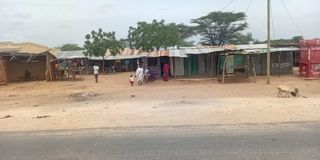
In their place are cautious signs of normalcy with civilians moving more freely, traders reopening shops and herders, once shadowed by gunfire, now guard their livestock with sticks instead of rifles.
Kalemengorok center in Aroo Sub County, Turkana County on March 19, 2026.
Photo credit: Courtesy
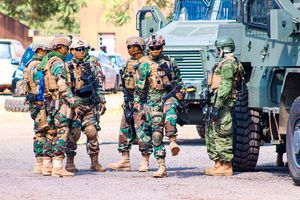
The shift follows the deployment of the Special Operations Group (SOG), an elite paramilitary unit whose arrival on March 8 marked a turning point in the long-running fight against banditry.
Moving in with armoured vehicles and masked officers, the unit has since maintained a firm grip on the region, with residents reporting no sightings of armed civilians in recent weeks.
“The centre is largely peaceful. No one is openly carrying illegal firearms anymore. Daily life is starting to feel different with small changes, but meaningful ones,” says James Kisike, a resident.
Along the Kaputir–Lokichar road activity is gradually picking up. Families are returning, traders are restocking and herders are reclaiming grazing grounds they had long abandoned.
For decades, this border region has lived under the grip of organised banditry. What began as traditional cattle rustling morphed into a sophisticated criminal enterprise sustained by well-armed gangs and shadowy financiers who dictated life, trade and movement.
Kalemengorok centre bore the brunt of that evolution with residents losing loved ones and livestock in relentless raids. Armed men would occasionally stroll into the trading centre, buy supplies, then disappear into the bush only to re-emerge in deadly highway attacks.
But now, that pattern appears disrupted.
Residents say some homes belonging to suspected bandits have been torched after their occupants fled, while others believed to be harbouring illegal firearms have been identified through intelligence-led operations.
“People are returning to centres and herders no longer fear moving with their livestock. The message is clear: the era of lawlessness is ending,” says Patrick Iriono, another resident. But still, beneath the optimism lies caution.
The scars of past violence remain fresh and the networks that sustained banditry are deeply entrenched. Residents know that while the guns have gone quiet, the threat has not been fully extinguished.
Two guns that were surrendered on March 8, 2026 in Turkana County.
Photo credit: Courtesy of National Police Service
In interview with Nation.africa. security officials agree that the ongoing operation is not just about disarmament but also restoring order and rebuilding trust.
The SOG has been conducting screenings to separate law-abiding residents from suspected collaborators while intensifying cordon-and-search operations in known hideouts such as the South Turkana National Reserve and Lochakula.
Authorities have also revived a two-week amnesty for the voluntary surrender of illegal firearms, warning that those who fail to comply will face forceful disarmament and arrest.
“We urge anyone in possession of illegal firearms to surrender them. Those who fail to comply will face serious consequences,” he warns.
The stakes are high not just for security, but for economic recovery.
Years of violence have crippled trade, stalled development and disrupted livelihoods along the border. Markets emptied, schools were vandalised and entire communities displaced. Even security forces have not been spared with deadly ambushes such as the 2023 attack that killed four officers underscoring the scale of the threat.
Now, there is cautious hope that stability could unlock long-stalled opportunities.
At a recent public forum in Lodwar, leaders said that peace is key to reviving local economies. With over 400 modern markets under construction nationwide, officials say secure environments will be critical to enabling small businesses to thrive.
But even as roads grow quieter and villages begin to stir back to life, memories of violence linger.
Along the Lokichar–Marich pass stretch which was once notorious for ambushes, motorists still recall how the sight of armed men emerging from dense thickets often signalled imminent attack.
Today, that fear is fading but not forgotten.