8,440 women screened, 686 abnormalities caught: The pilot project that could transform cancer fight
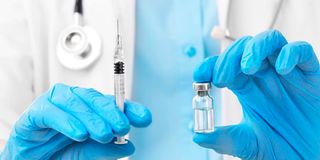
A pap smear is a procedure to test for cervical cancer in women. Regular cervical cancer screenings, such as the pap or HPV test, can help identify precancerous cells and allow for early treatment, which can greatly increase the chances of a full recovery.

What you need to know:
- Women attending a community health centre for a regular check-up are also offered a cervical cancer screening test during the same appointment.
Nine women die from cervical cancer in Kenya every day, according to the Health ministry.
Cervical cancer is the country’s second most common cancer, yet it is almost entirely preventable if detected early. The challenge has never been medical, but logistical.
For years, early detection depended on the assumption that women would make a dedicated trip to a specialist for screening. Too often, they didn’t. Distance, cost, and the absence of early symptoms meant that by the time a woman sought help, it was often too late.
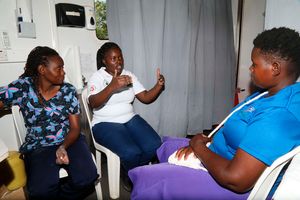
Now, a pilot project launched in October 2024 in Bungoma and Nyandarua counties is rewriting that script. Instead of waiting for women to come to screening, the Women’s Integrated Cancer Services (WICS) project embeds cervical cancer screening inside routine primary healthcare visits. Women attending a community health centre for a regular check-up are also offered a cervical cancer screening test during the same appointment.
By mid-2026, 8,440 women had been screened for cervical, breast, and selected non-communicable diseases, bringing the project close to its initial target of 10,000. These are women who, under the old model, would likely never have been tested at all.
Dr Ouma Oluga, principal secretary for Medical Services, said the investment is designed to serve women across the full continuum of care.
“A resilient health system supports women during pregnancy and childbirth and provides timely prevention, screening, diagnosis, and treatment services for conditions that disproportionately affect them.”
Primary healthcare centres see the highest patient volumes and are closest to the communities that specialist facilities underserve. By removing the need for a separate, dedicated appointment, the project eliminates the decision point that most often leads women to delay or abandon.
By bringing screening, diagnosis, and treatment closer together, the project aims to reduce loss to follow-up, a persistent barrier that often delays care once an abnormal result is detected.
Earlier data from the project illustrates the scale of the challenge: of 3,767 women screened in an initial phase, 686 had abnormal results, enabling early intervention and treatment.
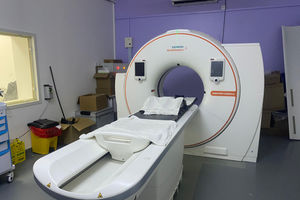
To sustain this approach, the World Health Organisation has provided eight health facilities in Bungoma and Nyandarua counties with cancer screening, diagnostic, laboratory, pathology, and treatment equipment, enhancing access to cervical and breast cancer services.
“Together with the broader package of cancer screening and diagnostic equipment, this investment will strengthen service delivery, reduce delays in care, and bring lifesaving services closer to communities,” said Dr Oluga.
The WICS model has since been adopted as a pillar of Kenya’s National Cervical Cancer Elimination Action Plan for 2026–2030. The five-year plan is designed to drive progress towards the global 90–70–90 targets: vaccinating 90 per cent of girls against HPV, screening 70 per cent of women, and ensuring that 90 per cent of those diagnosed receive
timely treatment.
“The Ministry of Health has invested and will continue to invest in strengthening our referral systems, expanding cancer treatment infrastructure, building a skilled health workforce, and pushing forward with health financing reforms under the Social Health Authority. All of these efforts are aimed at making cancer care accessible, affordable, and equitable for everyone,” said Aden Duale, Health Cabinet Secretary.