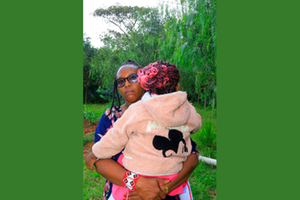
Every pill, every prayer: A mother’s daily battle for her son’s life
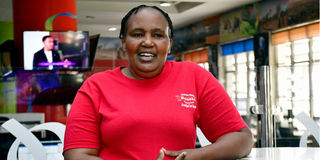
Ann Wanjiru Ngeche during an interview at Nation Centre, Nairobi on September 25, 2025.

Every day, when the sun’s rays creep through the cracks in Ann Wanjiru’s curtains, they carry with them a weight. The weight comes in the form of at least four tablets that her eight-year-old son, Ryan, must take before the day ends. The tablets are evidence of the child’s battle with leukaemia, the most common cancer in children, characterised by an overproduction of abnormal white blood cells.
Before her son and daughter wake up, Wanjiru is already up, cooking breakfast as her mind quietly hopes that her child will wake up feeling well, with fewer symptoms, and will tolerate his medications. Some days, her mind runs through a mental checklist of the day’s medical needs: “What time is the next medication dose? Do we have a hospital appointment or lab work? What symptoms do I need to monitor and report? What can I prepare to eat that he can actually tolerate?”
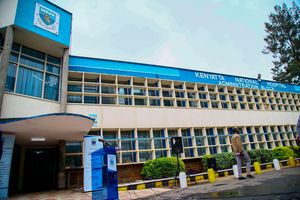
Just two years ago, her son was diagnosed with non-Hodgkin’s lymphoma. She can still feel the raw anxiety of his admission to Kenyatta National Hospital on June 26 and the memory of his first chemotherapy on July 7 of 2023. The months that followed were a blur of treatments and hope, a period that culminated in a PET scan and the doctor’s pronouncement that he was cancer-free.
For a while, they existed in a state of fragile normality, with frequent check-ups throughout most of 2024. Then the world tilted again on December 9, 2024. Ryan complained of intermittent pain in his ribs, culminating in tears and a night rush to the hospital. An MRI scan revealed fluid in both his lungs, leading to another admission on December 17. Anne remembers the hectic months that followed—a blur of tests and anxious back-and-forth communication with doctors. A new, more brutal truth emerged from a biopsy: the diagnosis had changed from lymphoma to leukaemia. The new round of chemotherapy started on April 12, 2025.
Ryan has accepted his fate, finding strength in a simple faith, and occasionally tells his mother: “Mum, God will take care of me because I am not sick.” That belief, a small, unwavering flame, has kept them both going.
In the three years of Wanjiru being her son’s caregiver, the hardest part of her days has been convincing him to go to the hospital. The sterile smell, the hushed hallways, the sight of other sick children, all weigh on his young spirit. She has to prepare him mentally for the ward, a conversation more difficult than any she has ever had.
“You have to go and take the medicine, because if you don’t take the medicine, you will get sick again,” she often tells him.
Wanjiru notes that the medical battles were only part of the fight. The emotional and social toll was immense. The father of her child left, and her business collapsed under the weight and demands of caregiving.
“My resilience was not built alone. It was held up by a strong support system, including my mother, sisters, cousins and friends. They have provided not just emotional solace but also crucial financial support, ensuring I never lack money for Ryan’s needs.”
Wanjiru issues a stern warning to all caregivers who, in a desperate search for healing, mix modern and traditional medicine.
“I have witnessed the tragic loss of too many children whose parents started using traditional medicine while their children were on chemotherapy. I urge caregivers to follow the doctor’s instructions precisely, since pharmaceutical drugs are a chemical necessity.”
She also has a specific appeal for fathers: “to stop viewing a child’s illness as something to fear and to remain present with their families throughout the ordeal.”
“At the end of every day, I thank God for my son and for his life. I promised God and myself that I will always stand with my son for as long as we are both alive. It is the least I can do,” she says.