A race against time to save Kenya’s last roan antelopes
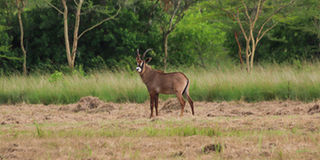
The rare roan antelope at Ruma National Park in Homa Bay County.

What you need to know:
- Ruma National Park is the only habitat for the endangered roan antelope.
On August 11, professional athletes, conservationists, and wildlife enthusiasts will gather at Ruma National Park in Homa Bay County for the Roan Antelope Half Marathon—a critical initiative to protect Kenya’s most endangered wildlife, particularly the roan antelope, which faces imminent extinction.
Ruma National Park, nestled in Kenya’s Lambwe Valley, is the only habitat for the endangered roan antelope.
Beyond the roan, the park shelters other threatened wildlife, including Rothschild’s giraffes, black rhinos, buffalo, and zebras, all facing escalating pressures from human activity and environmental changes.
According to data from Kenya Wildlife Service, the park has witnessed a catastrophic population decline—from hundreds in the 1970s to just 24 antelopes as of June. This alarming drop, which saw numbers plummet to fewer than 10 a decade ago, underscores a conservation crisis fuelled by poaching, habitat loss, and ecological imbalance
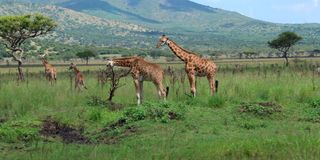
Giraffes at Ruma National Park in Homa Bay County on May 5,2023.
In 2020, the government launched a strategic plan aimed at boosting the roan antelopes’ numbers, but the initiative has not picked up as expected as five years later, the population remains perilously low. KWS Deputy Director for Parks Kennedy Ochieng issued a stark warning: the 24 remaining roan antelopes face existential threats, and without immediate intervention, Kenya could lose this iconic species forever
He noted that the park plays a vital role in conservation of wildlife in the country “and the animals should be protected from any harm that may reduce their population”.
"KWS is committed to restore and revamp Ruma National park which is a lesser visited park to a preferred tourist destination. We plan to develop infrastructure as well as offer investment opportunities for luxury accommodation, hence improve livelihoods of the community that lives around the park," Mr Ochieng said.

Homa Bay Governor Gladys Wanga takes part in an exercise before a mock run at Ruma National Park on July 11,2025 ahead of the road antelope half marathon next month.
He added that making the park more popular to attract more tourists will help in conservation efforts of animals that face extinction.
Part of the plans for making the park popular and conserving wildlife is hosting the annual roan antelope half marathon. This will be the second edition, the first one having been held in 2023.
Ochieng added that Ruma has significant potential for increased tourism, and efforts are underway to unlock that potential through a partnership between KWS and t Homa Bay County government. The collaboration aims to implement mechanisms that will open the park to more visitors and improve the overall experience. The programme aims to relocate some animal species to their former habitats, where they once existed before being wiped out.
Wildlife tourism
Governor Gladys Wanga said her administration is ready to support KWS in protection and conservation of wildlife, adding that the vision is about creating sustainable livelihoods for surrounding communities through wildlife tourism.
Efforts by KWS in protecting wildlife at Ruma National Park, however, face several challenges which threaten to reduce animal populations. Mr Ochieng says tsetse fly infestation is a major issue, particularly affecting the roan antelope population. Tsetse flies are the primary vectors for trypanosomiasis, a parasitic disease that affects both humans and animals. Roan antelopes are known to be highly susceptible to trypanosome infections, which can be fatal.
But KWS is working with other agencies to contain tsetse flies in the park.
Other challenges include climate change, specifically reduced rainfall intensity, which limits the growth of vegetation that the animals feed on. Further, inaccessible roads significantly hinder wildlife rangers' ability to protect animals, impacting their mobility and response times to poaching and other threats.
Ochieng also highlighted a crucial vulnerability in Ruma National Park's conservation efforts - the current fencing system's inability to fully prevent illegal poaching activities. While the park does have existing perimeter fencing, determined poachers continue to breach these barriers, putting Kenya's last remaining roan antelopes and other wildlife at grave risk.
"Upgrading the fence will improve both wildlife safety and habitat sustainability. By creating a barrier, the fence helps protect wildlife from human interference and ensures their well-being within a more natural and protected environment," the KWS official says.