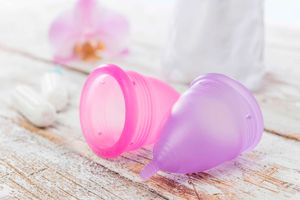
Beyond pads and tampons: The complete guide to menstrual cups
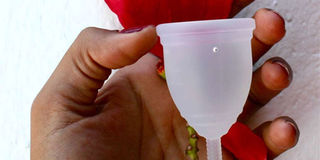
A menstrual cup.

What you need to know:
- While menstrual cups are generally safe, a recent case in which a 30-year-old woman wrongly positioned her cup, thus blocking the flow of urine into her bladder, highlights a rare but serious potential issue.
Menstrual cups are bell-shaped, reusable devices inserted into the vagina to collect menstrual fluid during your period. They are typically made of medical-grade silicone. Unlike tampons and pads that absorb menstrual blood, cups simply collect it, making them a potentially more sustainable and cost-effective option.
The concept of a device to collect menstrual flow dates back to the 19th century. Early versions were often rigid and made of materials like hard rubber. In the 1860s and 1870s, patents for "catamenial sacks" were filed in the US. These were sacks inserted into the vagina and attached to a belt.
Also read: Scientists raise alarm over presence of toxic metals in tampons
The first menstrual cup resembling modern designs was patented in 1937 by American actress Leona Chalmers. Her cup was made of latex rubber. She aimed to provide women with a comfortable and reusable alternative to existing period products.
Despite her innovation and later improvements, menstrual cups didn't gain widespread popularity in the mid-20th century. This could be attributed to factors like the prevailing social attitudes towards handling menstrual blood, the rise of disposable products like pads and tampons with aggressive marketing, and potential discomfort with early, less flexible cup designs.
In the 1980s, a latex rubber cup called "The Keeper" was reintroduced and gained some traction, marking a renewed interest in reusable menstrual products. It wasn’t until the early 2000s that the real breakthrough came in, with the introduction of menstrual cups made from medical-grade silicone such as the Mooncup (launched in 2002). Silicone offered a hypoallergenic, durable, and more comfortable alternative to latex.
Since then, the popularity of menstrual cups has steadily increased due to growing awareness of environmental concerns, cost-effectiveness, and the desire for comfortable and leak-proof period protection. Today, numerous brands offer menstrual cups in various shapes, sizes, and materials.
Cost and availability
In Kenya, the cups are readily available through various online platforms like Jumia and MyDawa, as well as physical pharmacy stores. Prices range from Sh300 and Sh1,400.
While menstrual cups are generally safe, a recent case in which a 30-year-old woman wrongly positioned her cup, thus blocking the flow of urine into her bladder, highlights a rare but serious potential issue: improper placement obstructing urine flow and leading to kidney problems. While using the menstrual cup, proper positioning is crucial. Here is a guide to safe menstrual cup use:
1. Understand your anatomy
Your vagina is a muscular canal. At the end of this canal is your cervix, which leads to the uterus. The openings of your urethra (where urine comes out) and ureters (tubes from your kidneys to your bladder) are located above and around the vaginal opening.
The menstrual cup should sit below the cervix, within the vaginal canal, to collect menstrual fluid. It should not press upwards towards the bladder or the openings of the ureters.
2. Choose the right cup depending on size, shape and material
Select a cup size appropriate for your age, childbirth history, and flow. Younger individuals and those who haven't given birth vaginally often find smaller sizes more comfortable. A cup that is too large or too long might be more likely to press on surrounding organs. Women who have given birth vaginally may prefer a larger size.
Some brands offer guides on measuring your cervix height to determine the best size. Start with the manufacturer's recommendations and consider trying a smaller or larger size if you are concerned.
Different cup shapes might suit different anatomies better. Some are more bell-shaped, while others are more tapered. Research different shapes and read reviews to see what might be a good fit for you. Opt for medical-grade silicone, which is flexible and does not have a harmful effect on the human body.
3. Insertion technique
Fold the cup correctly: Use a folding technique (C-fold, punch-down) that makes the cup small and easy to insert.
When inserting, aim the folded cup downwards and towards your tailbone, not straight up. This angle helps ensure the cup sits lower in the vaginal canal, away from the bladder and ureteral openings.
The entire cup should be inside your vagina, but the stem (if your cup has one) may or may not be fully inside. The base of the cup should sit a few centimeters inside the vaginal opening. Avoid pushing the cup too high up as this increases the risk of it pressing on other structures.
Once inserted, release the fold. The cup should spring open and create a gentle seal against the vaginal walls. Run a clean finger around the base to check for any dents or folds that might prevent a proper seal or indicate incorrect positioning. Gently twist the cup to help it open fully.
4. Checking the position
Comfort is a good indicator. A correctly positioned cup should be comfortable, and you shouldn't feel it. If you experience persistent pressure, pain, or a constant urge to urinate after inserting the cup, it might not be positioned correctly.
Listen to your body. If you notice any unusual urinary symptoms like difficulty urinating, frequent urination, or pain in the sides of your back, where your kidneys are located that seems to coincide with cup misuse, remove the cup immediately and consult a doctor.
5. Removal of cup
Before pulling the cup out, gently pinch the base to release the suction. This is crucial for comfortable removal and prevents any potential pulling on surrounding tissues. Once the seal is broken, gently pull the cup straight down, keeping it upright to avoid spills. Avoid angling the cup excessively during removal.
6. Hygiene
Hygiene while using a menstrual cup is important. Always wash your hands thoroughly before inserting and removing the cup.
Clean your cup thoroughly with mild, unscented soap and water after each removal. Sterilise it by boiling it in water for 5-10 minutes before the first use of each cycle and after your period ends. You can also purchase a steamer that will sterilise your cup.
Exposing the cup to high-temperature steam kills bacteria and other germs, thus preventing infections.
7. When to seek medical advice
While the risk of kidney problems from menstrual cup use appears to be very low, it's important to be aware of potential symptoms. If, while using the cup, you experience persistent pain in your sides and below the ribs, changes in urination—difficulty starting, weak stream, frequent urge, pain during urination, or blood in your urine, remove it and consult a doctor.
By following these guidelines, you can use a menstrual cup safely and enjoy its benefits while minimising the already rare risk of complications. If you have any concerns or are unsure about proper usage, don't hesitate to consult a healthcare professional.
You can typically wear a menstrual cup for up to 12 hours, depending on your flow. This makes it suitable for overnight use. You can engage in all your usual activities, including swimming and exercise, with a menstrual cup. High-quality menstrual cups made of medical-grade silicone can last for several years (typically 5-10 years) with proper care.
Since they are reusable, menstrual cups significantly reduce the amount of waste compared to disposable pads and tampons.
Source: Healthline and Dr Owiti Maureen, gynaecologist Kenyatta National Hospital