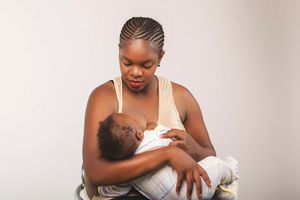
Breastmilk gives babies the best start but many mothers lack support

Breast milk is a natural source of nutrition and sustenance as it helps strengthen brain power and build up a child’s immune system.
What you need to know:
- This year’s World Breastfeeding Week theme, “Prioritize Breastfeeding: Create Sustainable Support Systems
Every first week of August, the world gathers to champion one of the most natural, powerful, and life-sustaining acts known to humanity—breastfeeding. This year’s World Breastfeeding Week theme, “Prioritize Breastfeeding: Create Sustainable Support Systems,” is a clarion call to governments, workplaces, healthcare providers, families, and communities to step up support for breastfeeding mothers. Breastmilk is not just food.
It is white gold—rich, irreplaceable, and tailor-made by nature to meet a child’s needs in ways no other substance can. As a maternal and child health advocate, I have witnessed firsthand how breastmilk shapes healthier families, reduces health disparities, and drives economic savings. Yet, despite its unmatched value, too many mothers lack the systems, spaces, and support needed to breastfeed optimally.
To better understand the immense benefits of breastfeeding, let us explore the acronym BREASTMILK:
B – Best for baby, best for mother
Breastmilk provides immunity-boosting antibodies, lowers the risk of infections, and promotes brain development. For mothers, breastfeeding reduces the risk of breast and ovarian cancers, supports postpartum recovery, and strengthens maternal bonding.
R – Right nutrients, right temperature
Breastmilk is a living fluid, nutritionally complete, always at the perfect temperature, and adaptive to the baby's changing needs, even offering targeted immune protection during illness.
E – Economically friendly
No production costs, no packaging, no carbon footprint—breastfeeding is the most sustainable feeding option, especially critical in resource-limited settings.
A – Anti-infective proteins rich
Loaded with antibodies and bioactive proteins, breastmilk provides the first line of defence against infections and strengthens the baby’s immune system from day one.
S – Strengthens immunity
Colostrum, the first milk, is a newborn’s first vaccine. Continued breastfeeding protects against respiratory illnesses, diarrhoea, and chronic conditions later in life.
T – Trusted by WHO and UNICEF
Global health authorities recommend exclusive breastfeeding for the first six months, followed by continued breastfeeding up to two years and beyond.
M – Mental health booster
Skin-to-skin contact and oxytocin release during breastfeeding reduce stress and postpartum depression for mothers, fostering emotional resilience.
I – Improves child IQ
Numerous studies link breastfeeding with improved cognitive outcomes and better academic performance in later life.
L – Lower the chances of some cancers
Breastfeeding helps balance hormones and promotes the emotional well-being of the mother, and reduces the mother’s long-term risk of breast, ovarian, and endometrial cancers.
K – Key to achieving SDGs
From ending poverty and hunger to promoting health and gender equality, breastfeeding is a vital component of the Sustainable Development Goals.
What must be done?
If we truly believe that breastfeeding is foundational to lifelong health and sustainable development, we must go beyond slogans. Support systems must be integrated into healthcare policies, labour laws, and community practices. This includes:
i) Paid maternity leave and workplace lactation rooms.
ii) Community-based lactation counsellors.
iii) Enforcement of the International Code of Marketing of Breastmilk Substitutes.
iv) Partner involvement and male engagement in breastfeeding education.
Kenya has made commendable strides through the Health Act and efforts by the Ministry of Health. But more remains to be done, especially in informal workplaces, public spaces, and rural communities where women face stark inequalities.
We can do this by prioritising breastfeeding and creating sustainable support systems
Phoebe Ongadi is a public health expert, cancer advocate, and maternal-child health champion.