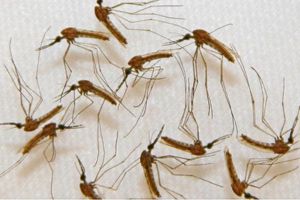
Deadly complacency: The cost of underestimating malaria in Kenya
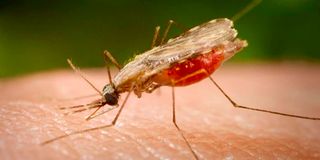
Anopheles mosquito, the main vector for malaria. In Kenya, malaria transmission is highest in two main regions: Lake Basin and the Coast.
What you need to know:
- Malaria may seem common, but underestimating its severity continues to cost thousands of lives each year.
- From Lake Victoria to the Coast, it remains a persistent and deadly threat despite available prevention.
For many Kenyans, malaria is a familiar illness something treated at home or with a quick visit to the nearby chemist or clinic. But this familiarity has created a dangerous perception: that malaria is mild and not worth worrying about. The reality is very different.
Malaria remains one of the deadliest diseases globally. In 2023, it claimed more than half a million lives, with the majority of deaths occurring in Africa. Most heartbreaking is that children under five accounted for 76 per cent of these deaths. The most severe form, caused by the Plasmodium falciparum parasite, is also the most common in Africa.
Despite these sobering figures, many people still do not view malaria as a major threat. One reason is that it is both preventable and treatable, often at low or no cost. Compared to chronic or incurable diseases, it can seem less alarming. In addition, many mild illnesses are frequently misdiagnosed as malaria, reinforcing the perception that it is not severe. Over time, repeated exposure also leads some individuals particularly those living in endemic regions to develop partial immunity, making infections less severe and further masking the true danger of the disease.
In Kenya, malaria transmission is highest in two main regions: Lake Basin and the Coast. Counties around Lake Victoria, including Homa Bay, Kisumu, Siaya, Migori, Busia, Kakamega, Vihiga and Bungoma, experience year-round transmission, with cases rising during and after the rainy seasons. A similar pattern is seen in coastal counties such as Kilifi, Kwale, Mombasa, Lamu and Taita Taveta.
These areas provide ideal conditions for malaria transmission. Warm temperatures and high humidity allow Anopheles mosquito, the insect responsible for spreading malaria, to thrive. At the same time, stagnant water from rainfall creates perfect breeding grounds, increasing mosquito populations and the likelihood of infection.
While anyone can contract malaria, certain groups are at significantly higher risk of severe illness. These include young children, pregnant women, people living with HIV, and individuals with little or no prior exposure to the disease. For these groups, malaria is not just an inconvenience, it can quickly become life-threatening.
Pregnancy, in particular, presents a dangerous intersection. Malaria infection during pregnancy increases the risk of severe illness in the mother and can lead to miscarriage, stillbirth, or babies being born with low birth weight. These complications can have lasting effects on a child’s survival and development.
For those travelling to malaria-endemic areas, the risk is often underestimated. People who have grown up in such regions may have developed partial immunity, which reduces the severity of illness. However, this protection can fade over time if they move away. On the other hand, visitors from non-endemic areas have no natural immunity, making them more vulnerable to infection and severe disease.
The most effective way to prevent malaria is to avoid mosquito bites. Simple but consistent measures can significantly reduce risk. Wearing light-coloured clothing that covers most of the body, especially in the evening and at night, helps minimise exposed skin. Applying insect repellent containing ingredients such as Deet, picaridin, IR3535 or oil of lemon eucalyptus provides an additional layer of protection. These repellents are readily available in pharmacies and supermarkets.
It is also advisable to limit outdoor activities between dusk and dawn, when mosquitoes are most active. Keeping doors and windows closed in the evening, or ensuring rooms are fitted with screens or air conditioning, can further reduce exposure. Sleeping under an insecticide-treated mosquito net remains one of the most effective protective measures, particularly in high-risk areas.
For added protection, travellers should consider taking preventive antimalarial medication. This typically begins a few days before travel, continues throughout the stay, and extends for a period after returning home. Consulting a healthcare provider beforehand ensures the correct medication and dosage.
Parents travelling with children should take extra precautions. Children may require preventive medication tailored to their age and weight, and should consistently use mosquito nets and repellents. Similarly, pregnant women are advised to avoid travel to high-risk areas where possible. If travel is unavoidable, they should seek medical advice on safe preventive options and strictly follow mosquito avoidance measures.
Severe forms
Although many cases of malaria are uncomplicated, the disease can develop into severe forms if not treated promptly. One of the most dangerous complications is cerebral malaria, where infected red blood cells block small blood vessels in the brain. This can lead to confusion, seizures, loss of consciousness, and in many cases, death or permanent brain damage if treatment is delayed.
Recognising the symptoms early can save lives. Malaria often begins with fever, chills, headaches, muscle and joint pain, and general fatigue. Some people may also experience nausea, vomiting or diarrhoea. Symptoms typically appear between 10 and 14 days after infection, but they can occur earlier or much later.
Anyone who develops these symptoms after visiting a malaria-endemic area should seek medical attention immediately. Informing the doctor about recent travel can help speed up diagnosis and treatment. Malaria may be familiar, but it should never be taken lightly. With the right precautions, awareness, and timely treatment, it is a disease that can be prevented and one whose impact can be significantly reduced.
The writer is senior instructor at Aga Khan University Medical College and consultant infectious diseases specialist at Aga Khan University Hospital, Nairobi.