Drug safety alert: Kenyans' access to affordable treatment is under threat - Pharmacists
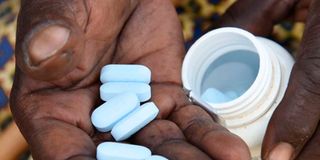
PSK officials say weakening regulatory powers would expose Kenyans to counterfeit or substandard medicines, especially if non-tariff measures such as permits and safety checks are removed.

What you need to know:
- PSK officials stress that medicines are not ordinary products and must remain under strict oversight.
The Pharmaceutical Society of Kenya (PSK) has issued a stern warning to the government against attempts to reverse critical health safeguards recently secured in Parliament under the Comprehensive Economic Partnership Agreement (CEPA). The society cautions that rolling back these protections would endanger millions of patients who rely on affordable and safe medicines.
PSK President Wairimu Mbogo said the reservations placed last week by the Parliamentary Health Committee on two contentious CEPA clauses were a major victory for Kenyan patients and an important step toward safeguarding the country’s pharmaceutical sector. The reservations target Article 2.13 on Non-Tariff Measures and Article 13.33 on Data Exclusivity and Patent Linkage.
Also read: Looming drug crisis to hit cancer, diabetes, HIV patients
“These reservations were made to protect Kenyan patients and ensure that medicines remain affordable,” said Dr Mbogo.
“They keep Kenya in full control of the safety of health products entering the country.”
Dr Mbogo explained the dire consequences of removing these protections: Without the Article 2.13 reservation, Kenya's power to regulate and conduct safety checks on pharmaceutical imports would be severely weakened, potentially flooding the market with unsafe, substandard, or counterfeit medicines.
She added that without the Article 13.33 reservation, data exclusivity provisions would delay the entry of affordable generic drugs for years, disrupting treatment for chronic illnesses like cancer, diabetes, hypertension, and HIV.
Pushed out of the market
“The risk is that patients would be denied timely access to affordable treatment,” she said, emphasising that Kenya must also protect its local pharmaceutical manufacturers from being pushed out of the market.
PSK expressed concern over emerging efforts to remove the reservations, a move Dr Mbogo termed "dangerous and unconstitutional."
“If these protections are reversed, the cost of essential medicines will rise, and Kenyans will struggle even more to access treatment,” she cautioned. She added that stripping away non-tariff measures would eliminate vital safety controls, allowing poor-quality medical products to enter unchecked.
Dr Mbogo further noted that once ratified, an international treaty becomes part of Kenyan law and could override existing national pharmaceutical regulations. This would undermine Kenya's progress toward meeting World Health Organization National Regulatory Authority standards.
“It would hurt local manufacturers, conflict with the government's Bottom-Up Economic Transformation Agenda, and jeopardise the attainment of Universal Health Coverage,” she stated.
PSK further highlighted that reversing the CEPA reservations would cripple the local pharmaceutical sector, which already suffers from a significant 70-30 import-to-local-production imbalance.
“We are importing more than what we are supposed to be making. We want pharmaceutical manufacturers to produce a 50-50 share that will improve our health sector,” Dr Mbogo said.
She stressed that the regulation of medical products must prioritise public health, not commercial interests.
“Medicines are not ordinary products. The health and safety of Kenyans must always come first before any commercial agreement. We must protect the interventions that ensure affordable, quality treatment for our people.”
PSK member Dominic Karanja explained that understanding the global framework governing medicines is key to recognising why the CEPA reservations are crucial.
He warned that introducing stricter exclusivity provisions through CEPA would erase global safeguards, locking Kenya into arrangements that delay access to life-saving generic medicines.
According to Dr Catherine Kerekezi, weakening regulatory powers would expose Kenyans to counterfeit or substandard medicines, especially if non-tariff measures such as permits and safety checks are removed.
The PSK officials stressed that medicines are not ordinary products and must remain under strict oversight.
“We are already seeing patients who cannot afford treatment for chronic illnesses. We want to ensure that all our communities have access to quality, affordable medicines. Many people stop treatment because they cannot access the medicines they require. This leads to complications that are life-threatening and affects their productivity as citizens,” said Dr Kerekezi.
The society also raised concern over diploma holders being prioritised to work at Level four, five and six hospitals while 2,000 degree-qualified pharmacists are still unemployed. PSK termed this a move that undermines professional standards and could compromise the quality of pharmaceutical services in higher-level hospitals.
[email protected]