Five things Kenya must do to tackle endometriosis
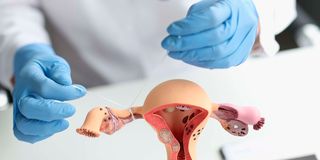
Endometriosis occurs when tissue similar to the lining of the uterus (womb) grows outside the uterus – usually in the pelvis or other areas. It affects about one in seven women and those presumed female at birth.
What you need to know:
- The World Health Organization estimates one in 10 women and girls of childbearing age live with it, about 190 million, and it appears in up to 60 per cent of women who struggle to conceive.
- In Kenya and other low- and middle-income countries, the true number of women affected is unknown because reliable data remains limited.
Imagine living with pain so severe that getting out of bed, going to school, going to work or simply walking becomes a struggle every month. Now imagine being told that it is "just part of being a woman."
For millions of women and girls, this is not imagination. It is everyday life. Their pain is ignored, their suffering normalised, and many spend years searching for answers. Behind this silent suffering is a disease called endometriosis.
What exactly is endometriosis?
Endometriosis occurs when tissue similar to the womb lining grows outside it, most often on the ovaries, peritoneum and vagina, and sometimes on the rectum, intestines, bladder, lungs or brain. It responds to monthly hormones but cannot exit the body, causing inflammation, scar tissue, cysts and severe long-term pain. It can also damage organs and make pregnancy harder.
The World Health Organization estimates one in 10 women and girls of childbearing age live with it, about 190 million, and it appears in up to 60 per cent of women who struggle to conceive. In Kenya and other low- and middle-income countries, the true number of women affected is unknown because reliable data remains limited.
Why diagnosis is so often delayed
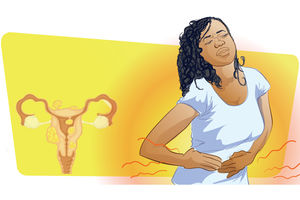
The signs and symptoms of endometriosis are not always recognised. Many women experience severe menstrual pain that does not respond to pain medication; persistent abdominal, lower back and pelvic pain that continues even after a period ends; heavy menstrual bleeding; pain during sex; pain when using the toilet; constant tiredness; bloating; and nerve pain.
Because these symptoms are often mistaken for "normal" period problems or other illnesses, many women are treated for the wrong condition or simply told to endure the pain. This is one of the main reasons diagnosis is delayed. Many women live with these symptoms for up to 12 years before receiving the correct diagnosis. In Kenya, the wait can be even longer because awareness is low and specialist care is limited.
Another challenge is that common tests such as ultrasound scans often cannot detect early endometriosis, so a woman may be told that "nothing is wrong" even when she is in severe pain. In many cases, the only way to confirm the disease is through a procedure called a laparoscopy, in which doctors look inside the abdomen using a camera. However, this procedure is not widely available, can be expensive and may feel intimidating for patients. This further delays diagnosis and treatment.
The cost of delay
The consequences of delayed diagnosis are serious. Girls miss classes and fall behind in school. Women lose income because they cannot work consistently, or are forced to leave their jobs. Families spend years moving from one health facility to another in search of answers. Some women struggle with infertility, while many experience anxiety, depression and social isolation because their pain is not believed.
The impact goes far beyond individual women. Endometriosis also carries a significant economic cost. Studies show that women living with the disease may lose 10 to 11 working hours every week because of severe pain, fatigue and difficulty functioning at full capacity. On average, the disease costs about US$11,000 per woman each year (approximately Sh1.4 million). Of this, about US$7,162 (roughly Sh930,000) is lost through reduced productivity and missed work, while about US$3,540 (roughly Sh460,000) goes to medical care such as consultations, medicines, surgery and hospital visits.
These figures show that the biggest cost of endometriosis is not just hospital bills, but the loss of working time and income, especially during a woman's most productive years. In Kenya, where many women work in the informal sector without paid sick leave or full health insurance, the impact is likely even greater. It affects household incomes, children's education and the overall strength of the economy.
These challenges are compounded by persistent stigma surrounding menstruation and women's reproductive health. In many communities, painful periods are dismissed as a normal part of being a woman, leaving girls and women to suffer in silence rather than seek medical attention. Those who report severe symptoms are often accused of exaggerating, of being emotionally fragile, or of having a low pain threshold. Such misconceptions not only invalidate women's experiences but also delay diagnosis, limit access to appropriate care and perpetuate unnecessary suffering.
What Kenya can do
Kenya has made significant progress in improving maternal health, cervical cancer prevention and reproductive health services. The time has come to include endometriosis in these efforts. Public education campaigns can help people understand that severe period pain is not always normal. Healthcare workers need training to recognise the disease earlier and refer women for appropriate care. Access to diagnosis and treatment should also be expanded beyond a few specialist centres.
There is also reason for hope. Scientists at the Kenya Institute of Primate Research are exploring better ways to detect endometriosis without invasive procedures as well as safer and more effective ways to treat it. This kind of local research could help make diagnosis and treatment more accessible to Kenyan women and girls.
But to understand the true scale of the problem in Kenya, more local research is needed to establish how many women and girls are affected, what prevents them from getting care, and what Kenya can do to improve diagnosis, treatment and support.
No woman or girl should spend years believing that severe pain is simply part of life. Endometriosis is common, real and potentially life-changing. By recognising it as a national public health priority, we can ensure that women are diagnosed earlier, treated sooner and given the opportunity to live healthier, more productive lives.
The silence surrounding endometriosis has lasted long enough. It is time to listen, to act, and to ensure that no woman or girl is left to suffer alone.
The author is a senior research scientist in the Division of Reproductive Health and Biology at the Kenya Institute of Primate Research