From cholera to skin infections: The deadly pathogens lurking in floodwater

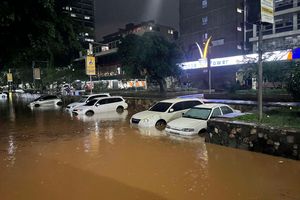
Residents of 360 Phase 2 Estate in Syokimau wade across a flooded section of the estate after a downpour.

What you need to know:
- Floodwater is usually mixed with sewage, animal waste, and soil that harbour harmful bacteria, viruses, and parasites.
- Contaminated water can easily enter the body through small cuts on the skin or through accidental ingestion,"
As the heavens open and floods reclaim the streets of Kenya, a familiar but perilous scene unfolds: men, women, and children hoisting their clothes high, wading through tea-coloured waters to reach their homes or workplaces. To the casual observer, it is an inconvenience of infrastructure; a temporary hurdle in the daily commute.
To the medical and public health community, however, these rising tides represent a silent, brewing biological catastrophe that threatens to overburden an already strained healthcare system.
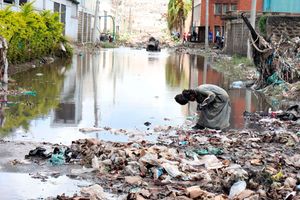
Floodwater is never just water. As it surges through urban centers and rural villages alike, it picks up and carries the raw contents of burst sewage pipes, the toxic overflow of industrial dumpsites, and the hazardous chemical runoff from petrol stations and mechanics' sheds. This cocktail is turning everyday movement into a high-stakes gamble with life-threatening pathogens.
Public health experts are now warning Kenyans to avoid walking or swimming in floodwater during the ongoing rains, citing serious health risks ranging from infections to drowning.
Brown Ashira, a public health consultant and secretary-general of the Kenyan Environmental Health and Public Health Practitioners' Union, said floodwater is often heavily contaminated and can expose people to dangerous diseases.
"As public health professionals, we do not encourage people to walk, wade, or swim in floodwater because it is not just rainwater. It is usually mixed with sewage, animal waste, and soil that harbour harmful bacteria, viruses, and parasites. Contaminated water can easily enter the body through small cuts on the skin or through accidental ingestion," Ashira said.
Ashira warned that contact with floodwater can lead to serious skin infections caused by bacteria.
"When these bacteria enter the body through minor breaks in the skin, they can cause infections such as cellulitis and other severe conditions, including flesh-eating diseases. Cellulitis is a potentially serious bacterial infection that affects the deeper layers of the skin. The infection can take several days to appear. Typically, symptoms may start showing within seven to ten days after exposure, especially if the bacteria enter through cuts or wounds.”
He added that when people wade or move through floodwater, they may accidentally swallow it. “This exposes them to gastrointestinal illnesses such as diarrhea, vomiting, and other infections.”
Beyond infections, flooded areas also present physical dangers such as strong currents and hidden debris.
"There may be sharp debris such as broken glass, metal, or wood beneath the water. People can easily step on these and sustain serious injuries, including broken limbs or deep cuts," he said.
Flooding also increases the risk of mosquito-borne diseases by creating stagnant water, which becomes a breeding ground for mosquitoes. This heightens the risk of malaria and other vector-borne diseases, especially in areas already prone to such infections.
The Ministry of Health has added its voice to this urgent alert. Public Health Principal Secretary Mary Muthoni recently issued a national advisory, noting that the ongoing March–April–May long rains have created a "perfect storm" for disease. The stagnant pools left behind serve as primary breeding grounds for mosquitoes, leading to a projected spike in malaria and Rift Valley Fever. Furthermore, the risk of gastrointestinal illnesses like cholera, typhoid, and shigella remains high, as floodwaters frequently breach groundwater sources and contaminate the water people rely on for cooking and drinking.
"Heavy rainfall and flooding can lead to contamination of water sources, increased breeding of disease vectors such as mosquitoes, displacement of communities, and disruptions to sanitation systems. These conditions can contribute to outbreaks of communicable diseases and other health hazards," cautioned PS Muthoni.
She further urged the public to remain alert to a surging wave of health threats tied to the heavy rains. Primary among these are waterborne illnesses such as cholera, typhoid, and various diarrheal diseases, which thrive when sewage contaminates food and drinking water supplies. The ministry also warned of a rise in vector-borne diseases, specifically malaria and dengue fever, as stagnant floodwaters provide the perfect breeding ground for mosquitoes.
The warning extended beyond water and insects, noting that persistent cold and damp conditions are driving an increase in respiratory infections. Physical safety remains a critical concern as well. The ministry flagged risks of drowning, physical trauma from hidden debris, and even snake bites in flooded areas. Ultimately, the breakdown of sanitation systems and the accumulation of uncollected waste are creating a dangerous environment that could fuel further disease outbreaks across the country.
"Members of the public are encouraged to ensure drinking water is safe by boiling, chlorinating, or using approved treatment methods; practice regular handwashing with soap and safe food handling; and use mosquito prevention measures such as sleeping under insecticide-treated nets, draining stagnant water around homes, and using repellents where necessary," cautioned PS Muthoni.
"You are also encouraged to avoid walking or driving through flooded areas as floodwaters may be contaminated and pose safety risks; ensure proper sanitation and waste disposal to prevent environmental contamination; and seek immediate medical attention at the nearest health facility if you experience symptoms such as severe diarrhea, vomiting, fever, or difficulty breathing," she added.