Guardian of wetlands: Kenyan earns global recognition for decades of conservation work
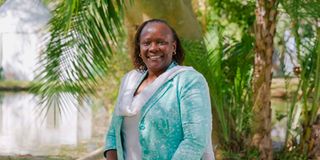
Julie Mulonga has been named a 2025 Women Changemaker in the World of Wetlands.

What you need to know:
- Mulonga hopes her recognition will increase support for wetlands conservation across Kenya and encourage policymakers to integrate these ecosystems fully into national development planning, not as afterthoughts, but as foundational infrastructure.
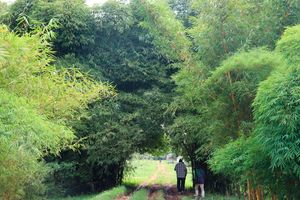
Just a few years ago, Julie Mulonga stood knee-deep in mud at Ondiri Wetland, watching a group of local youth struggle to clear plastic waste from the water. The work was grueling, the progress slow. Then, a moment that would define her mission came. A bird returned to the water for the first time in months.
"Their faces lit up," she recalls. "That small sign of life returning became a turning point."
What started as a one-day clean-up has evolved into a year-round community monitoring programme, a microcosm of Mulonga's larger vision for wetlands conservation in Kenya.
Now, after more than two decades of this work, the international community has taken notice.
Mulonga has been named among the 2025 Women Changemakers in the World of Wetlands, a prestigious global honour recognising women transforming conservation across the planet.
"For me, it is an honour because it comes from a global organisation focused solely on wetlands," she said. "It recognises years of commitment and the significance of this work."
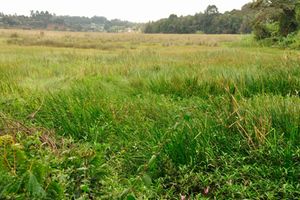
While Kenya's forests capture headlines and mobilise public support, its wetlands are vanishing quietly.
Over the past fifty years, the country has lost a significant proportion of its wetland cover, a decline Mulonga describes as "deeply concerning and underestimated."
Unlike the dramatic images of deforestation that galvanise action, wetland destruction happens incrementally: a drainage here, an encroachment there, unregulated water extraction slowly strangling ecosystems that millions depend upon.
Severe consequencies
The consequences are severe. Wetlands provide essential services such as clean water, flood control, fertile soil for agriculture, and critical habitats for biodiversity. Yet they're often dismissed as wastelands ripe for "development."
"Wetlands are not wastelands. They are life-support systems," Mulonga insists. "And neglecting them comes at a cost to both ecosystems and the communities whose livelihoods depend upon them."
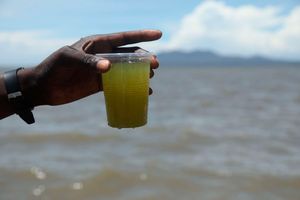
Kenya's remaining wetlands face mounting pressures from multiple directions. Encroachment continues unchecked in many areas, weak enforcement of existing laws allows illegal activities to flourish, and unregulated water extraction drains these ecosystems faster than nature can replenish them.
Then there's climate change, the accelerant to an already dangerous fire.
Unpredictable rainfall patterns, prolonged dry spells, and accelerating biodiversity loss are reshaping Kenya's wetlands in real-time. Mulonga describes this convergence as a "double threat," where local pressures are compounded by global environmental shifts beyond any single nation's control.
"Protecting wetlands in Kenya isn't just a local issue," she stresses. "It contributes to ecological resilience across the entire region."
Mulonga's approach is distinctive: she works simultaneously at the community level and in government corridors, understanding that lasting change requires both.
At the grassroots, she mentors youth and trains local groups as wetland custodians. By placing conservation leadership in the hands of communities themselves, she ensures initiatives have staying power beyond any single project or funding cycle.
The Ondiri clean-up is an example of this model. What began as enthusiastic volunteers pulling plastic from water has matured into a structured monitoring programme where youth track water quality, document biodiversity, and report threats. They've become experts on their own ecosystem.
"When communities lead, the change is meaningful and lasting," Mulonga says.
But community action alone cannot counter systemic threats. That's where Mulonga's policy work becomes critical.
She engages closely with county and national authorities, integrating wetlands into development planning, climate adaptation strategies, and biodiversity protection measures. Her advocacy has helped shift the official narrative, from viewing wetlands as obstacles to development, to recognising them as vital ecosystems that enable development.
Also read: Nature under siege: From cranes to crocodiles, Kenya’s wetlands are losing their wild heart
By presenting scientific evidence alongside community success stories, she builds persuasive cases that protecting wetlands is both environmentally crucial and economically beneficial.
A global movement
Mulonga's award places her alongside women from Latin America, Asia, Europe, and Oceania who have transformed wetlands conservation in their regions. These women share common challenges: funding gaps, gender biases in environmental sectors, and institutional obstacles that undervalue both wetlands and the women who protect them.
Dr Musonda Mumba, secretary-general of the Convention on Wetlands, said their journeys "embody the unstoppable momentum unleashed when we empower women and girls, including Indigenous women. To create lasting impact, we must recognise their challenges, and transform these into opportunities to secure the future of our wetlands."
The recognition builds on momentum from 2018 when member countries of the Convention adopted Resolution XIII.18, urging governments to consider the unique needs, knowledge, and contributions of women when protecting and managing wetlands.
Mulonga hopes her recognition will increase support for wetlands conservation across Kenya and encourage policymakers to integrate these ecosystems fully into national development planning, not as afterthoughts, but as foundational infrastructure.