How HIV stigma is pushing back addicts to drug dens
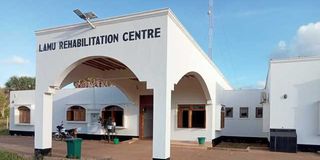
The Hindi Rehabilitation Centre for drug addicts in Lamu West.

It is 6.30pm, and beams of sunlight penetrate the narrow streets between houses in the Kijitoni area of Lamu Old Town.
As the sun sets, Musa Matata* staggers out of a street looking weak, his eyes partially closed.
Just metres away, five shirtless young men, aged 18 to 25, sit on the ground, appearing sleepy.
Kijitoni is a known spot where hard drugs such as heroin, cocaine, and bhang are openly sold and abused. Matata is one of the many addicts here.
Four years ago, he tried to break free from his addiction through methadone treatment at the King Fahd County Referral Hospital’s Medically Assisted Therapy (MAT) Clinic.
The clinic, which opened in March 2021, uses methadone to wean addicts off opioids like heroin.
The treatment alleviates cravings and eases withdrawal symptoms, providing a controlled path to recovery.
Matata stayed with the programme for a year and was on the verge of recovery before he relapsed, plunging back into addiction.
So, why would someone on the cusp of freedom return to a ‘dark life’? Matata pointed to one primary cause: the relentless stigma from his own community.
He explained that recovering in Lamu is incredibly difficult because the community discriminates against addicts, whether they are actively using or on the path to recovery.
“Such a scenario exacerbates feelings of isolation and shame. And that’s why I resorted back to these maeneo (drug dens). At least here, I have a sense of belonging and support. I have friends,” Matata said, gesturing towards the group of men.
Drug abuse remains a growing crisis in Lamu and the wider Coast region, derailing education and employment for many young people.
Despite efforts to combat the menace, including rehabilitation at the Hindi Rehabilitation Centre and methadone treatment at MAT clinics, a significant number of recovering addicts relapse due to community segregation and negative perceptions.
A recent report from Lamu's security agencies and Judiciary has identified heroin, cocaine (commonly called 'unga'), and bhang as the most peddled and used drugs in the county.
To address this, methadone treatment facilities are now operating at the King Fahd MAT Clinic in Lamu West and a new centre on Faza Island in Lamu East.
Juma Mwamvyoga, the addiction counsellor in charge of Lamu’s MAT clinics, expressed his disappointment at the high relapse rate.

Lamu Methadone Clinic Officer in charge Juma Mwamvyoga.He says stigma among society members is contributing to increased relapse among recovering drug addicts in the county.
He noted that continued societal stigmatisation has significantly contributed to a rise in relapse levels, blaming the community for harshly treating addicts and those in recovery.
“This creates barriers to healing and fosters a cycle of shame.”
“The community here has always judged drug addicts badly,” he said.
“Once you’re spotted visiting a methadone clinic, you’re labelled as bewitched, cursed, or mentally ill. You are discriminated against by the public, friends, and even family.”
The statistics are stark. This year, the Lamu King Fahd MAT Clinic enrolled 403 addicts.
Today, only 138 remain active in treatment. While 94 have been successfully weaned off drugs and reunited with their families, the whereabouts of many others are unknown, lost to relapse.
Issak Haji, a psychologist at the clinic, explained the psychological toll. Negative societal beliefs, which frame addiction as a moral failure, cause addicts to develop profound feelings of shame, guilt, and worthlessness.
“Once one feels rejected, they avoid seeking or staying in treatment,” Haji said. “The society needs to welcome drug addicts and help them reform.”

Lamu Methadone Clinic Psychologist Issak Haji. He has advised society to motivate recovering drug addicts instead of segregating them.
Recovering addicts echo this sentiment. Mudhafar Yusuf, who has undergone treatment, said the distrust persists even after recovery. “No one is willing to hire you for any job. We’re suffering. Stigma is hurting us to the point that some of us have ended up relapsing due to loneliness.”
Others, like Khadija Shebwana and Babli Shee, see meaningful employment as a critical component of lasting recovery. It provides structure, reduces idle time, and restores a sense of purpose.
“Unfortunately, the society here is unwilling to recruit us in any meaningful employment, even if it means sweeping the town’s streets every morning,” said Shee.
Contacted for comment, Lamu Deputy Governor Mbarak Bahjaj, who is also the Health executive, highlighted the county’s efforts.
These include a preventive school programme run by a dedicated Drug and Substance Abuse Prevention Unit and the two curative MAT clinics in Faza and Lamu Island that provide methadone and psychosocial support to those seeking recovery.
He noted that since inception, more than 580 youth from across Lamu County have been enrolled in the two MAT units.
However, these official efforts are being undermined on the ground. Andrew Masama, chairperson of the Kenya Counselling and Psychological Association Lamu Branch, stated that community rejection can neutralise any progress.
Mr Masama noted that rejection strips away crucial support networks—family, friends, and neighbours—which provide essential encouragement and emotional grounding during recovery.
He added that such discrimination can trigger a decline in mental health, leading to stress, depression, and anxiety. “This drives a person back to substance use as a coping mechanism. As a community, let’s be at the forefront in supporting recovering drug addicts.”