Maternal deaths drop by 6.8pc, but home births surge as SHA replaces Linda Mama
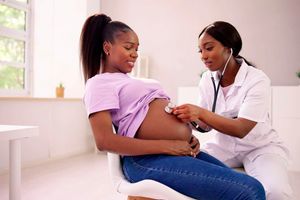
Each year, hundreds of Kenyan women die from causes related to childbirth, deaths that are largely preventable.

What you need to know:
- Kenya now targets fewer than 140 maternal deaths per 100,000 live births and 12 neonatal deaths per 1,000 live births by 2028.
- The country has already signed a five-year, Sh10 billion health financing deal with the Beginning Fund to support this goal.
Fewer mothers and babies died during childbirth last year, according to a new report on the State of Devolution released by the Council of Governors.
The report shows maternal deaths declined by 6.8 per cent in the 2025/2026 financial year, dropping to 2,656 from 2,851 recorded in 2024/2025. Neonatal deaths (infants aged 0 to 28 days) also fell sharply, from 6,909 to 5,777 over the same period. Additionally, teenage pregnancies declined by nearly 20 per cent nationwide.
"This reflects progress in reproductive and maternal health interventions by county governments," said Wajir Governor Ahmed Abdullahi Jiir, who chairs the Council of Governors.
Counties attribute this progress to the expanded rollout of the Maternal and Perinatal Death Surveillance and Response (MPDSR) system, which also recorded notable improvements.
According to the World Health Organization, MPDSR is a quality improvement intervention that enables the identification, notification, quantification, and determination of causes and avoidability of maternal and neonatal deaths and stillbirths, with the goal of guiding preventive measures.
Unlike the previous financial year, when only 34 counties had active MPDSR initiatives, all 47 counties now monitor maternal and neonatal deaths weekly and conduct debriefs to address systemic gaps.
Governor Abdullahi noted that counties including Kiambu, Makueni, Homa Bay, Murang'a, Machakos, and Kirinyaga reported prolonged periods without any maternal deaths during the year under review.
"We now reaffirm our commitment to strengthening maternal and newborn healthcare and ensuring that preventable maternal and child deaths continue to decline," he said.
This year, the national government also ramped up efforts through the Every Woman, Every Newborn (EWENE) initiative, launched by the President in May. EWENE is a global WHO, UNICEF, and UNFPA framework adopted by countries to reduce preventable maternal and newborn deaths.
Kenya now targets fewer than 140 maternal deaths per 100,000 live births and 12 neonatal deaths per 1,000 live births by 2028. The country has already signed a five-year, Sh10 billion health financing deal with the Beginning Fund to support this goal.
The State of Devolution report, however, revealed declines in key maternal health services, including skilled deliveries and antenatal care visits. Skilled birth deliveries dropped by 23 per cent, from 709,281 to 543,237, while attendance of the fourth antenatal care visit fell by 19 per cent, from 459,489 to 368,585.
Governor Abdullahi attributed these declines largely to "changes in maternity service delivery models and reduced accessibility of maternal health services at primary healthcare facilities."
Dr Harvey Mbithi, Makueni County's chief officer for Health, Human Resources Management, and Administration, offered a more specific explanation. In an interview, he said the decline followed the introduction of the Social Health Authority (SHA), which replaced the Linda Mama programme.
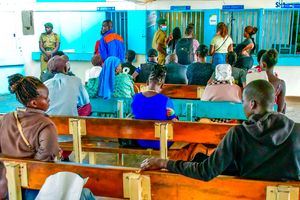
"We used to provide Linda Mama. All our mothers were delivering in our hospitals, and we encouraged them to do so. Now, they must be registered under SHA for them to deliver, or they pay out of pocket," Dr Mbithi explained.
He noted that many women, aware they will face out-of-pocket costs if unregistered, are now avoiding hospitals. "The registration should have been phased. We should have staggered it so that we allow that part of Linda Mama to proceed, even if we call it a different name. It encouraged all our mothers to deliver in hospitals," he added.
According to Dr Mbithi, mothers have instead turned to Traditional Birth Attendants, who charge significantly less than hospitals. This shift, he warned, undermines the entire system of skilled attendance, including ANC visits.
"They still need to be registered under SHA," he said. "Our plan was to encourage mothers to come to hospital through Linda Mama, and we used to give them a package. When they could go home with those packages, other pregnant mothers were encouraged to go to hospital. We were almost getting to success."
He concluded: "We should have carried Linda Mama the way it was, and then register the mothers when they come to deliver. Word went out that we have begun charging for deliveries. We should not have stopped everything that NHIF was doing. We could have borrowed good practice."