No, GM foods are not the same as fortified foods
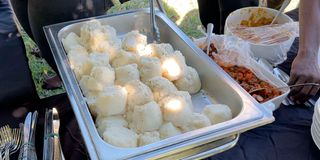
A serving of pap (ugali) made from GMO maize in Randfontein, South Africa.
What you need to know:
- In 2012, Kenya adopted a legislation that made it mandatory to fortify all packaged maize flour, wheat flour and edible oils with specific vitamins and minerals.
Are fortified foods same as Genetically Modified (GM) foods? I bumped into this discussion the other day at a forum and it was interesting to read the contributions from the different participants.
While some of the participants argued that fortified foods and GM foods are not any different, others pointed out some key distinctions.
Fortified foods are products that have had additional nutrients added to them that weren't originally present or were present in smaller amounts. The goal is to enhance their nutritional value and help prevent nutrient deficiencies in populations.
The nutrients include vitamins like A, B6, B12, D and E, minerals like iodine and micronutrients like iron, boron, zinc and manganese, which are essential for body functions.
These nutrients are added during the production of the particular foods. In the Kenyan market, some common examples of fortified foods are breakfast cereals, bread, cooking oils, maize flour, salt and wheat flour.
In 2012, Kenya adopted a legislation that made it mandatory to fortify all packaged maize flour, wheat flour and edible oils with specific vitamins and minerals. This law was followed by the five-year Kenya National Food Fortification Strategic Plan (2018-2022), the first of its kind to be developed by the government as a key tool to fight micronutrient deficiencies in the country.
The primary goal of food fortification is to improve public health by making essential nutrients widely available in commonly consumed foods—affordably and efficiently.
Fortification helps vulnerable groups like pregnant women and children access vital minerals, therefore preventing nutrition-related illnesses such as iron deficiency, anaemia and osteoporosis.
The government notes that one of the benefits of initiation of food fortification in Kenya has seen a decline in iron deficiency rates among children under five years and pregnant women.
The World Health Organization (WHO) encourages mass-scale food fortification because it is a powerful evidence-informed and cost-effective intervention to fight vitamin and nutritional deficiency.
Now, let’s flip the coin. GM foods can be described as food derived from crops whose genetic materials have been strengthened to enhance pest and disease resistance, herbicide tolerance, soil-nutrient use efficiency and drought tolerance.
These foods contain specific genes inserted through genetic engineering, giving them traits not naturally found in the original species.
Before being allowed to be used as foods, GM crops undergo rigorous testing and assessments by national competent authorities such as the National Biosafety Authority in Kenya and global regulatory bodies such as WHO and the Food and Agriculture Organization of the United Nations to ensure their safety for human consumption.
While GM foods are modified at the seed production stage to improve pest resistance or increase yields, therefore boosting their agricultural efficiency, in fortified foods, nutrients are added during manufacturing to address various nutritional deficiencies among populations through enhanced intake.
Another misconception during the forum was that Kenya’s Seeds and Plant Varieties Act, 2019 curbs the sharing of seeds, therefore giving undue advantage to GM crops and hybrid seeds.
The law was introduced to strengthen Kenya’s seeds sector by overseeing the testing, certification, production, registration and importation of seeds for quality control.
Further, it ensures that farmers only access seeds whose quality is ascertained and to curb scrupulous merchants from selling fake seed to farmers in the name of seed sharing.
Through the law, there is a level playing field as there is a strict quality control measure in the production, processing and marketing of improved seeds. This regulation seeks to maintain safety, transparency and compliance with established standards.
The overall goal of the Seeds and Plant Varieties Act is to enhance seed quality, protect breeders’ rights and promote sustainable agriculture in Kenya for food security.
Dr Tarus holds a PhD in Food Science and MSC in Managing the Environment: Risk Assessment of GM crops from ICGEB, Aberystwyth University, Wales, and University of Adelaide, Southern Australia