Shortcut to nowhere: The fleeting promise of Nairobi's luxury weight-loss drugs
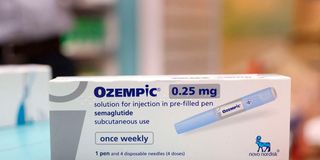
Wealthy Kenyans are stocking up on Ozempic, Wegovy and Mounjaro; injectable drugs promising dramatic slimming results

What you need to know:
- Wealthy Kenyans are stocking up on Ozempic, Wegovy and Mounjaro; injectable drugs promising dramatic slimming results.
- However, research shows that individuals who stop taking these anti-obesity medications typically regain their original weight within two years.
A weight-loss revolution is taking hold in upscale Nairobi pharmacies. Wealthy Kenyans are stocking up on Ozempic, Wegovy and Mounjaro; injectable drugs promising dramatic slimming results.
Costing between Sh5,000 and Sh45,000 per month, these medications have become status symbols among an urban elite desperate to shed stubborn weight. However, new research suggests these expensive shortcuts may come with a heavy price: a devastating rebound effect that could leave users worse off.
Research projections now indicate a sobering pattern: individuals who stop taking these anti-obesity medications typically regain their original weight within two years. This reversal also erases the heart health, cholesterol, and blood pressure improvements achieved during treatment.
The findings reinforce growing evidence of a significant challenge —maintaining the dramatic weight loss delivered by these popular drugs long-term.
The study, published in the BMJ, provides concrete data behind this worrying trend. Analysing information from more than 9,000 individuals across 37 research trials, it offers a clear picture of the treatment cycle. Participants used the medications for an average of 39 weeks and were tracked for 32 weeks after stopping.
The projections showed that while people shed an average of 8.3kg during treatment, they returned to their starting weight in less than 21 months after discontinuation.
Crucially, the associated heart health improvements—better cholesterol readings and lower blood pressure—vanished even sooner, fading within 18 months of discontinuation.
“Weight regain after stopping medication is both common and quick,” said public health nutrition scientist, Pro Susan Jebb, who contributed to the research. “Because obesity behaves as a chronic, recurring condition, some form of continued intervention is necessary to maintain treatment benefits.”
The research carries particular weight in Kenya, where obesity rates have been climbing rapidly. According to the 2022 Kenya Demographic and Health Survey, 38 per cent of women and 22 per cent of men aged 15-49 are overweight or obese. In Nairobi, these rates reach 45 per cent of adults, driving demand for medical weight-loss solutions.
However, the allure of injectable drugs like Ozempic is tempered by growing scientific caution. A separate study published in Obesity Reviews warns that up to 40 per cent of weight lost using these medications can come from lean tissue, including muscle, rather than fat. This loss of muscle mass can weaken metabolic health and physical strength.
As Cambridge researcher Marie Spreckley noted, without proper nutritional and exercise guidance, users risk "replacing one set of health problems with another, through preventable nutritional deficiencies and largely avoidable loss of muscle mass.”
In Kenya, this crisis is compounded by a strained healthcare system. With only two doctors per 10,000 people, Kenya falls far below the World Health Organization standards.
The country’s public health system has limited capacity to provide the necessary nutritional counseling and long-term monitoring these treatments require.
Health experts now urge Kenyans considering these drugs to seek comprehensive medical supervision, including regular nutritional assessments and guidance on preserving muscle mass through tailored diet and exercise plans.