Why your weight loss drug needs a medical team, not a beauty therapist
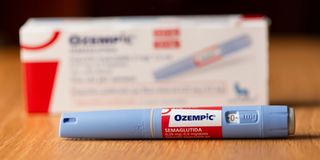
The black market for Ozempic injections is thriving, thanks to the growing demand for the drug.

What you need to know:
- Not everyone is a suitable candidate for the use of these drugs.
- Weight loss drugs manipulate complex hormones controlling hunger and metabolism, requiring medical supervision.
- These medications need proper screening for serious conditions, not beauty clinic prescriptions.
I had not seen Darcy* since her last delivery five years ago. She had gotten a new job that relocated her to Europe during the pregnancy, and the new employer was gracious enough to allow her to relocate after the baby was born. The baby was barely two months old when she moved, settling into the new environment while still on maternity leave.
When she walked into the clinic, it took me a minute to recognise her. Darcy was literally almost twice the size she was pre-pregnancy. She simply laughed at my poorly concealed shock. I sat back to listen to Darcy's story.
The post-partum period for Darcy was fine. She breastfed her little one for just over a year, and with all the new changes in her life, she was too busy to gain weight.
In Europe, she hardly drove; the walking served as great exercise, keeping her fit. When she stopped breastfeeding, she noticed her weight creeping up slowly, so she joined a dance class to manage it in a fun way.
Unfortunately, three years ago, she fell in the bathroom, landing on her bottom and injuring her lower back. She stayed in bed for a few weeks before graduating to living in a corset and physiotherapy. Unfortunately, these restrictions meant she could no longer dance.
The weight came back with a vengeance. She also started noticing unexplained joint pains, which came and went. She self-medicated with the painkillers prescribed for her back, delaying a proper evaluation by the doctor. Eventually, she was diagnosed with rheumatoid arthritis. She was started on treatment with disease-modifying antirheumatic drugs, but unfortunately, she didn't tolerate them very well. She had no choice but to use steroid medications far more often than preferred.
Side effect
With the steroids came even more astronomical weight gain as a side effect. Suddenly, the petite person who once weighed 58 to 60Kgs was now a barrelling 94 kgs. Her back pain worsened due to the excess weight, while her joints struggled to hold her up. All these complications at just 33 years of age. It was a wonder her blood pressure remained stable, as did her blood sugar, but her cholesterol parameters were sitting on the red line.
When she came to see me, she had relocated back home and was looking to settle in with a new medical team. She came in to replace her expiring contraceptive and for her annual gynaecological check. With all her complications, getting pregnant was out of the equation.
Her biggest pain point was the weight she needed to lose, yet she had no way of working out with the strained back. She barely ate, and yet her weight wouldn't budge. After a review with a nutritionist, she knew there was more to the weight than just the food.
Despite all the things going on with Darcy, I did consider the possibility of her other hormones running amok, contributing to the weight. She may not have been able to evaluate her menstrual cycle since the contraceptive she was using would keep away the periods, but I had a feeling that without the contraceptive, she would still have been experiencing a highly irregular flow.
After the office procedures, I sent Darcy to the laboratory for a few more tests. Her thyroid function tests yielded some answers. Along with everything else Darcy was dealing with, she had developed hypothyroidism. The low thyroid hormones meant her metabolism was greatly slowed down, hence the weight gain.
Off she went to the endocrinologist for further evaluation and care. The initiation of treatment for the hypothyroidism helped Darcy feel a lot more energetic. She hadn't even realised just how lethargic she had become, blaming everything on her weight and pain. She gradually lost some weight, but it wasn't sufficient to relieve her back.
After exhaustive conversations and cross-consultation, the care team agreed that Darcy would benefit greatly from semaglutide. Semaglutide was first licensed in 2017 as Ozempic, a subcutaneous injection for the management of patients with type 2 diabetes, helping them lose weight alongside other dietary and lifestyle interventions. In 2021, Wegovy, still a semaglutide, was licensed for management of obesity.
How our bodies work
How our bodies balance our nutritional intake is heavily dependent on a fine-tuned balance of multiple hormones in the digestive system. After a meal, digestion begins, releasing glucose, amino acids, and fatty acids from the food we eat. Once released, the nutrients are absorbed through various mechanisms into the bloodstream and finally into body tissues.
Insulin is released from the pancreas, specifically from beta cells. It triggers muscle and liver cells to take up glucose from the bloodstream for energy use and for storage when glucose is in excess.
Amylin is also a hormone released alongside insulin from the same source. It slows down the rate at which food in the stomach passes into the intestines, trying to keep it fuller for longer to maintain a sensation of satiety. This reduces the urge to eat again while you use what you already have in the stomach
Glucagon is also released from the pancreas, but from alpha cells. It performs the opposite function. It stimulates the muscle and liver cells to release the glucose they stored, pouring it back into the bloodstream when blood glucose goes low. This is important because organs like the brain function only on glucose as their source of fuel.
Additional to these three main hormones are two others: glucagon-like peptide 1 (GLP-1) and glucose-dependent insulinotropic polypeptide (GIP). Quite a mouthful, but very important in this nutrient balance. GLP-1 and GIP are the link between the nutrients being absorbed from the gut and the secretion of the three hormones above—insulin, amylin, and glucagon. They are the sensor or switch that turns on the secretion of the hormone required.
GLP-1 is produced in the small intestine. It stimulates insulin release from the pancreas, slows gastric emptying, stops glucagon release, and reduces food intake. GIP is also produced in the small intestine alongside GLP-1. It also stimulates insulin secretion, but in situations of hunger, it will enhance glucagon activity.
The rise of weight loss medications
The pharmaceutical world has worked on these key hormones for use in management of nutrient imbalance resulting in nutrient excess, manifesting as obesity and diabetes. This is how drugs like semaglutide, tirzepatide, exenatide, lixisenatide, liraglutide, and dulaglutide have come into being. They mimic the function of these hormones and hence can be manipulated to achieve the desired effect.
They induce weight loss by extending the sensation of fullness, slowing release of food from the stomach (hence reducing availability of glucose for storage, which in excess will be converted to fat), and generally controlling a person's preoccupation with food.
Understanding the sensitivity of how these drugs work is the reason they must remain within the premise of prescription by doctors—not 'beauty specialists' in unlicensed facilities targeting a vulnerable population with money to spend.
Who should avoid these medications
Not everyone is a suitable candidate for the use of these drugs. This includes patients who have or have had pancreatitis; patients with gastroparesis (a condition where the digestive tract is slowed down by dysfunction of the muscles of the tract); patients who have been diagnosed with medullary thyroid cancer or multiple endocrine neoplasia family history of 2A or 2B, or who have a family history of the same; and those with kidney disease.
Darcy may not be able to dance just yet, but semaglutide, coupled with her thyroxine medication, has enabled her to swim for exercise as it doesn't strain her back. She is definitely psyched up to swim back to health!
Dr Bosire is a gynaecologist/obstetrician