The silent killer we can stop: Why Kenya must prioritise HPV vaccine

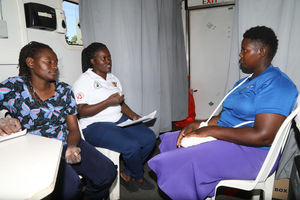
Participants march in a procession to mark World Cancer Day in Eldoret, Uasin Gishu County, on February 4, 2026.
What you need to know:
- Data from the HPV Information Center show that in 2020 alone, approximately 3,211 women died from cervical cancer.
- The disease ranks as the leading cause of cancer deaths among Kenyan women and is the second most common cancer affecting women aged 15 to 44.
Cervical cancer is the fourth most frequently diagnosed cancer and the fourth leading cause of cancer death among women globally, yet it is entirely preventable. This is according to the World Health Organization (WHO).
In Kenya, the statistics are particularly stark. Data from the HPV Information Center show that in 2020 alone, approximately 3,211 women died from cervical cancer. The disease ranks as the leading cause of cancer deaths among Kenyan women and is the second most common cancer affecting women aged 15 to 44.
The primary driver of cervical cancer is the Human Papillomavirus (HPV), a common virus associated with ano-genital cancers. HPV is typically transmitted through genital or oral contact with an infected person, and can also spread through close genital-to-genital touch.
While cervical cancer is the most common HPV-related disease, accounting for nearly all cases, HPV is also linked to cancers of the vagina, penis, anus, and oropharynx (the back of the throat, including the base of the tongue and tonsils), as well as genital warts in both men and women.
Alarmingly, the disease claims the lives of 12 per cent of those diagnosed, compared to nine per cent for breast cancer, underscoring the urgent need for action.
In Kenya, the worrying rise in both cervical and penile cancers, and the resulting deaths, is driven primarily by a lack of public awareness, limited access to early screening, and persistently late diagnosis. This reality reinforces a critical call to action: we must prioritise the HPV vaccine. For any cancer that has a proven, preventive vaccine, we have a collective duty to rally our communities and ensure uptake.
The HPV vaccine is highly effective at preventing the strains of the virus responsible for most cervical cancers, as well as several other HPV-related cancers. Ideally, it should be administered before individuals become sexually active and exposed to the virus. WHO recommends starting vaccination as early as age 10.
For girls and boys aged 11 to 12, two injections are required, spaced at least six months apart. Teens and young adults who start the vaccination later; between ages 15 and 26, need three doses to achieve full protection.
Vaccination, however, is only one piece of the puzzle. Regular screening remains vital for early detection and intervention. Women aged 21 to 29 should undergo a Pap smear test every three years to check for any cervical abnormalities. From age 30 to 65, it is highly recommended that the Pap test be combined with an HPV gene test and conducted every five years.
WHO recommends that comprehensive cervical cancer control should include primary prevention (vaccination against HPV), secondary prevention (screening and treatment of pre-cancerous lesions), tertiary prevention (diagnosis and treatment of invasive cervical cancer) and palliative care.
Since its introduction in 2006, more than 270 million doses of the HPV vaccine have been distributed globally, backed by safety studies that consistently affirm its efficacy and low risk. The vaccine is highly effective at preventing HPV-related infections, and large population-based studies have found no significant link between vaccination and indicators of risky sexual behaviour among adolescent girls. These findings suggest that concerns about increased sexual activity following vaccination are unfounded and should not deter young girls from accessing this life-saving protection.
In the long term, widespread HPV vaccination will play a crucial role in reducing the burden of cervical cancer in Kenya. By rallying support from all key stakeholders: healthcare workers, educators, parents, and policymakers, we can protect our girls and secure a future free from this preventable disease.
Dr Warfa is a consultant gynaecologist oncologist, Department of Obstetrics and Gynaecology, Aga Khan University Hospital, and an assistant professor at Aga Khan University’s Medical College