Tiny invaders: Microplastics found in human ovaries for first time
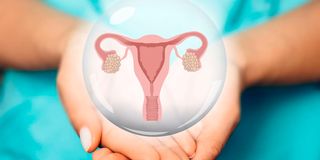
Scientists explain that this could result in a number of issues such as an increase in ovarian cysts, hinder egg development in women or thin the wall that protects women’s eggs.

What you need to know:
- Microplastics, and their tinier version called nanoplastics, enter the human body through ingestion, inhalation and direct skin contact.
Tiny plastic particles have been found in human ovaries for the first time, drawing attention to the need for more research on their impact on women’s reproductive health. These particles are scientifically referred to as microplastics.
In a new study published in the scientific journal Ecotoxicology and Environmental Safety, scientists analysed ovarian follicular fluids of women in Italy who were undergoing assisted reproductive treatment at an In Vitro Fertilisation (IVF) centre.These fluids nourish the eggs as they grow in a woman’s body.
The scientists measured 18 samples of plastics which were less than 10 micrometres –almost like the size of a single strand of your hair cut into 10 tiny pieces.
Out of the 18 samples, microplastics were found in 14 of those.
“Several studies on animal models have demonstrated the negative effects of microplastics on ovarian function, but the present study has verified for the first time the presence of microplastics in human follicular fluid,” shows the study.
“It is of great significance for the scientific community in terms of raising awareness of the impact of these increasingly pervasive emerging contaminants,” they add.
The new evidence comes barely four months to the second global meeting of the fifth Intergovernmental Negotiating Committee (INC 5.2) that will be held in Switzerland, with the hope of coming up with a global plastic treaty that will reduce the proliferation of microplastics.
The scientists explain that microplastics, and their tinier version called nanoplastics, enter the human body through ingestion, inhalation and direct skin contact.
“Microplastics could enter the ovaries through the circulatory system reaching the granulosa cells, (those that produce oestrogen and progesterone hormones),” shows the study.
The study shows that the negative effects that microplastics have on fertility have previously been investigated in animal models, revealing significant impacts on the female reproductive system.
“Studies on rats have shown that microplastics accumulate in the ovaries and granulosa cells, which can impair follicle growth (growth of immature eggs and its surroundings) and disturb the hormonal balance,” they say.
The scientists explain that the presence of microplastics in the human ovarian follicular fluid observed in this study could have happened due to the possibility that microplastics passed from the bloodstream and made their way to the wall of the egg sac. They add that this wall is not as strong as the one that protects babies during pregnancy in a placenta, making it easier for the microplastics to pass through.
Ovarian cysts
They explain that this could result in a number of issues such as an increase in ovarian cysts, hinder egg development in women or thin the wall that protects women’s eggs.
“Over time, these disruptions could manifest in a variety of reproductive pathologies, including premature puberty, abnormal menstrual cycles, premature ovarian insufficiency, endometriosis, fibroids and miscarriage,” the study shows.
The scientists now say that the impact of microplastics on the changes of female reproductive health underscores the need for further research into the long-term microplastics exposure, especially its potential to cause permanent reproductive damage.
“The severity of these effects appears to be dose-dependent, highlighting the need to understand the specific thresholds of exposure to microplastics that may result in irreversible damage to female fertility. Given the growing prevalence of microplastics in the environment, it is crucial to continue exploring how these substances affect the female reproductive system and to investigate possible strategies for mitigating their impact on human health,” the scientists say.
“We believe this study can represent an important contribution and pave the way to further investigations to explore the possible damages that these microparticles can cause in terms of human reproduction and female fertility,” they add.
While microplastics have been around for some time, the term was first coined in 2004 by Richard Thompson, a United Kingdom-based scientist who, together with his team at the University of Plymouth, found that oceans had hoarded microplastics since the 1960s.
In 2023, a study published in the Yonsei Medical Journal showed that humans are exposed to between tens of thousands and millions of microplastics every year, or several milligrammes per day.
“The main exposure route could be the inhalation of indoor air and drinking water in plastic bottles. Exposure to microplastics through food intake is likely the main exposure source, although it remains difficult to provide a detailed estimate due to the lack of research on the contents and internal doses of microplastics in different foods,” the study shows.
Another study published the same year in the scientific journal Nature shows that while the health risks of exposure to microplastics are just beginning to be understood, there needs to be detailed and conclusive evidence of how they accumulate in the body.
“This can only spur the development and adoption of policies necessary for reducing the global impact of plastics and improving public and planetary health,” they say.