Trump’s aid cuts drive spike in babies born with HIV
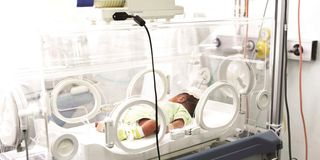
A baby in an incubator. Health professionals reported a spike in babies born with HIV by mothers who could no longer access their medication.

What you need to know:
- Upon taking office on January 20, the Trump administration halted all new funding and initiated a 90-day review of existing aid.
- This directive ultimately led to the dissolution of the United States Agency for International Development.
A new report has found that US President Donald Trump's move to curtail foreign aid funding led to a rise in babies born with HIV and an increase in forced abortions in the East African region, including Kenya.
The study by Physicians for Human Rights (PHR) links these outcomes to a freeze order on new foreign aid issued by the US early this year. Upon taking office on January 20, the Trump administration halted all new funding and initiated a 90-day review of existing aid. This directive ultimately led to the dissolution of the United States Agency for International Development.
While lifesaving programmes received limited waivers, other critical initiatives; including those for family planning, abortion and HIV prevention for key populations; were suspended.
Also read: HIV is on the rise among ‘neglected’ men and women over 40 – lessons from Kenya, S. Africa
“The US government flagship programme to combat HIV in low-income countries - the President’s Emergency Plan for AIDS Relief (Pepfar) -received a limited waiver, which halted all HIV prevention funding except for pregnant and lactating women,” stated the report, adding: “The outcome was that key disproportionally burdened by incident HIV infections- such as sex workers and men who have sex with men were excluded.”
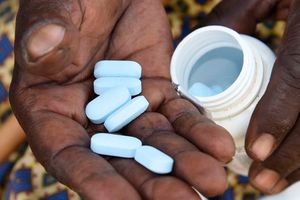
The report found that a majority of people at risk of contracting HIV lost access to pre-exposure prophylaxis (PrEP), a medication that prevents new infections. This is particularly devastating as approximately 90 per cent of PrEP programmes were funded by Pepfar.
The PHR investigation focused on the impact of this disruption in Uganda and Tanzania, two countries that rely heavily on Pepfar for over half of their HIV response funding.
“Both nations have severe HIV epidemics and laws that criminalise key populations. They also rely heavily on US support for HIV treatment and prevention services,” says the report.
The study, titled On the Brink of Catastrophe, gathered testimony from 39 healthcare workers, patients, and counselors in both countries during the first 100 days of the aid freeze.
Using demographic and consent forms customised to suit individual preferences, the experts ensured subjects had total control over their personal details and how it was shared.
Health professionals reported a spike in babies born with HIV by mothers who could no longer access their medication. One clinic reported that 25 per cent of expectant mothers with HIV gave birth to HIV-positive children because they could not access consistent medication.
Additionally, patients skipping critical doses of antiretroviral drugs to make their supply last longer led to drug resistance, making their treatment less effective. The report also linked the disruption in aid to an increase in unwanted abortions as some expectant mothers feared giving birth to an HIV-positive baby due to their inability to access medication.
The stigma
Overall, cutting down access to lifesaving treatment and prevention drugs, coupled with discrimination and stigma, caused harm to individual’s mental and physical health. The report highlights that this has also eroded public trust in antiretroviral medications, local governments, and foreign aid.“PHR and partners documented alarming changes in health-seeking behavior, including dose-skipping and rationing of medication due to uncertainty in future supply,” the report reads.
The study underscores the urgent need to restore global health aid and renew Pepfar. It calls on East African leaders to develop mitigation plans to address the funding gaps and uphold the right to health.This includes ensuring that health services are available, accessible, acceptable, and of high quality, particularly for marginalised and key populations.
“Develop national mitigation and transition plans in collaboration with civil society, donor governments, and regional partners to ensure continuity of lifesaving HIV care and address any gaps caused by the loss of US funding.”
The East African Community, African Union, and Africa Centres for Disease Control are called upon to support regional dialogues and explore pooled procurement of essential HIV medications to reduce reliance on donor-led funding.
The researchers also urge international bodies like the UN and WHO to formally acknowledge the public health crisis caused by the aid cuts and provide technical guidance to stabilise HIV services.
They also implore the Trump administration to immediately restore and protect full funding for global HIV programs, reinstate support for community-led outreach, and ensure a transparent transition for programs.
These findings emerge as reports indicate the Trump administration has failed to release nearly half of the Sh774.73 billion allocated for Pepfar by Congress for the current financial year.