Unpacking the controversy: What you should know about seed oils

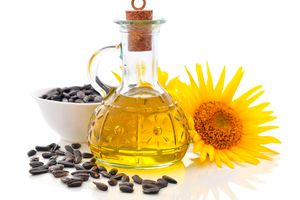
Sunflower oil.
What you need to know:
- Seed oils include canola, corn, sunflower, soybean, cottonseed, rice bran, and safflower oil.
- According to the ever-abundant nutrition misinformation, these seeds spell big trouble for your health as they increase your risk of heart disease, weight gain, diabetes, among others.
Debates on nutrition can be inflammatory, to say the least, and the topic of seed oils is no different. Long touted as the cause of inflammation, a hallmark of conditions like atherosclerotic cardiovascular disease, non-alcoholic fatty liver disease, dementia, and depression, seed oils have been on the receiving end from tiktokers, wellness influencers, and dare I say even nutritionists/dietitians.
Seed oils include canola, corn, sunflower, soybean, cottonseed, rice bran, and safflower oil. According to the ever-abundant nutrition misinformation, these seeds spell big trouble for your health as they increase your risk of heart disease, weight gain, diabetes, among others.
Here are the myths about seed oils and the scientific evidence pointing to the contrary.
Argument 1: Seed oils are pro-inflammatory because they’re high in omega-6 fatty acids
Not all inflammation is bad. Inflammation is a normal part of the body’s response to injury or infection.
Omega-6 fatty acids are an essential polyunsaturated fat, just like omega-3 fatty acids, that our body cannot synthesise or make on its own.
Thus, we get Omega-6 from food sources such as seed oils, poultry, eggs and nuts.
The most common type of omega-6 is linoleic acid, which plays various roles, including forming part of your cell membranes and maintaining healthy skin.
During digestion, linoleic acid is converted to arachidonic acid, which is then converted to a wide range of compounds, including slightly pro-inflammatory eicosanoids. The seed oil ‘haters’ use this as the basis of their argument.
The evidence
A 2012 meta-analysis of 15 human randomised control trials concluded that virtually no evidence is available from randomised control intervention studies among healthy, non-infant human beings to show that the addition of linoleic acid (omega 6) to the diet increases the concentration of inflammatory markers.
A meta-analysis of over 100 human randomised controlled feeding trials including more than 4000 adults found that replacing calories from saturated fat with polyunsaturated fat significantly improved insulin resistance and subsequently blood glucose control.
When people ate less saturated fat and more polyunsaturated fats, their bodies got better at getting glucose out of circulation and into cells to be used as a fuel source. In contrast, when people ate more saturated fats such as butter, coconut, palm oil, and ghee, they had more glucose in their circulation, which over time damages blood vessels.
The digestion of linoleic acid, also known as omega-6, produces some proinflammatory substances, however, the overall effect of this process is more complex.
Any food you eat can trigger both negative and positive biochemical pathways. The important question is not whether it does both, but what the overall outcome is.
Health outcomes like inflammation, blood sugar levels, and changes in body weight result from hundreds, if not thousands, of biochemical processes working together.
Human biology and chemistry are complicated, so to use one pathway to make dietary recommendations is quite irresponsible, to say the least.
Argument 2: Seed oils are obesogenic
Obesogenic means tending to cause obesity, which is a major public health concern.
Seed oils are indeed present in ultra-processed foods. However, contrary to the argument, this is not what makes ultra-processed foods such as cakes, cookies, and biscuits hyper-palatable/over-consumed, rather it is the presence of so many other ingredients such as refined carbohydrates, added salt, additives like dyes, stabilisers, flavor enhancers and emulsifiers.
Argument 3: Seed oils are processed
Seed oils are refined, bleached, and deodorised. This involves crushing the plant material and using a solvent like hexane for extraction. Despite concerns about hexane's use, the trace amounts remaining in the oil are negligible and pose no significant health risk. These oils still maintain their high omega-6 content, as well as phytosterols that help reduce cholesterol absorption in the body.
Argument 4: Seed oils are susceptible to oxidation
Oxidation of fat refers to its utilisation, or how fat consumed is converted to energy that tissues like skeletal muscles can use.
This is different from oxidative stress, which occurs when there is an accumulation of reactive oxygen species, thus leading to cell and tissue damage.
Long-term consumption of repeatedly heated cooking oils such as in restaurant deep fryers, causes an overproduction of reactive oxygen species, which causes oxidative stress.
But when it comes to using seed oils for regular cooking, there is no concern.
Conclusion
High omega-6 intake, without a direct source of essential omega-3s, may increase inflammation. This is not because omega-6s are inherently inflammatory, but because a high intake can impair your body’s ability to synthesise or make omega-3 from food sources. Since omega-3 is considered anti-inflammatory, reduced synthesis could lead to increased inflammation.
The solution here is not to fear omega-6 fats from unprocessed foods and isolated vegetable oils but to ensure we get omega-3 from fatty fish, fish oil, or algae oil.
The author is a clinical nutritionist