Vaccine hoarding threatens fight against surging Mpox outbreaks

In April, Kenya received 10,700 doses of Modified Vaccinia Ankara-Bavarian Nordic (MVA-BN) Mpox vaccine.

What you need to know:
- Although it has not yet experienced the same scale of infections as Sierra Leone or the DRC, Kenya is on high alert.
- In April, Kenya received 10,700 doses of Modified Vaccinia Ankara-Bavarian Nordic (MVA-BN) Mpox vaccine.
As Mpox cases surge across Africa, the AIDS Healthcare Foundation (AHF) has issued a stark warning: vaccine hoarding by high-income countries is leaving the continent vulnerable to a worsening health crisis. Despite Africa bearing the brunt of infections and deaths, wealthy nations continue stockpiling Jynneos vaccine, while African governments struggle to secure doses for high-risk populations.
Vaccine hoarding refers to the practice where countries or entities acquire a disproportionately large share of vaccine doses, leaving limited or no access for other nations or groups, often leading to inequitable distribution and prolonged global health crises.
The Foundation, the world’s largest organisation dedicated to fighting AIDS, is calling for immediate global action, including vaccine donations, reduced prices, and the transfer of production technology to qualified African manufacturers in order to prevent a continent-wide health crisis.
As of June 24, Sierra Leone accounted for 41 per cent of Africa’s reported Mpox cases, with 4,350 confirmed infections and 28 deaths since January 10.
"We urge high-income countries to immediately release vaccine doses from their reserves and support equitable access to prevention tools. We also call on Bavarian Nordic to reduce the cost of its Jynneos Mpox vaccine and share technology and production knowledge with qualified African manufacturers. Without affordable regional production and greater global collaboration, the world remains vulnerable to preventable infectious disease outbreaks like Mpox,” said Dr Penninah Iatunga, AHF Africa bureau chief.
Over 20 countries across the continent have reported an increase in case numbers. The Democratic Republic of the Congo (DRC) remains the epicentre, having reported thousands of infections and over 600 deaths in 2024 alone, primarily due to the more severe clade I strain.
Uganda, Burundi, Malawi and others are also grappling with growing outbreaks.
Meanwhile, the Africa CDC estimates that over 6.4 million vaccine doses are urgently needed across the region. However, access is hindered by high prices, limited global supply and the lack of local production capabilities.
Although it has not yet experienced the same scale of infections as Sierra Leone or the DRC, Kenya is on high alert. In April, Kenya received 10,700 doses of Modified Vaccinia Ankara-Bavarian Nordic (MVA-BN) Mpox vaccine.
According to the Ministry of Health, there were at least 12 confirmed cases in 2024, with infections detected in Nairobi, Kisumu and Mombasa counties.
Most of the infections have affected men aged 25 to 40, many of whom have recently travelled to other African countries where outbreaks are occurring.
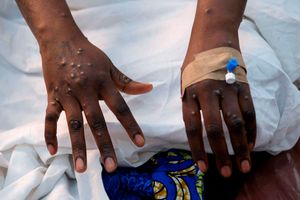
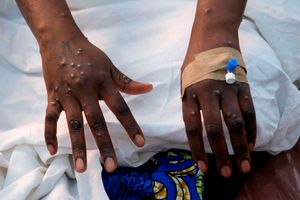
Mpox is a viral disease that causes fever, swollen lymph nodes and painful skin lesions. While the disease is usually self-limiting, it can lead to severe complications, particularly in immunocompromised individuals, including people living with HIV, many of whom are in Africa.
The World Health Organization continues to classify Mpox as a Public Health Emergency of International Concern, citing rising case numbers, limited vaccine availability, and growing instability in many affected countries.
The 2014–2016 Ebola outbreak, which began in Guinea and spread to Sierra Leone and Liberia, resulted in over 28,000 infections and more than 11,000 deaths across 10 countries. The pandemic also highlighted glaring inequities in global health responses. Although Africa reported its first case of the disease in February 2020, it took months for most African countries to receive vaccines. By mid-2021, the continent had recorded over 11 million cases and nearly 250,000 deaths. Kenya had reported more than 7,000 deaths related to the virus by early 2023.
Despite initiatives such as the WHO Pandemic Accord and the COVAX facility, which aim to improve vaccine equity, Africa remains heavily reliant on external sources for vaccines and other medical supplies. These initiatives have failed to adequately address structural barriers such as the lack of local manufacturing capacity and delayed technology transfers that prevent African nations from responding swiftly and independently to outbreaks.