Why Kenyan men are shunning new HIV prevention injection
Doctors say swapping daily pills for monthly shots could transform HIV treatment and prevention.

What you need to know:
- Lenacapavir is an antiretroviral drug given every six months to prevent HIV infection. It is also used to treat multidrug-resistant HIV-1.
- Kenya received 21,000 initiation doses from the Global Fund in February to support the rollout, which covered 158 health facilities across the 15 counties.
Men are lagging behind women in taking up Lenacapavir, a long-acting HIV prevention injection introduced by the government in March this year, new figures show.
Data from the National Aids and STI Control Programme (Nascop) show that about 11,000 women have received the twice-yearly injection, compared with approximately 3,500 men.
The figures show that about 15,800 Kenyans received their first dose during the initial phase of the programme, which targeted 15 counties with a high HIV burden.
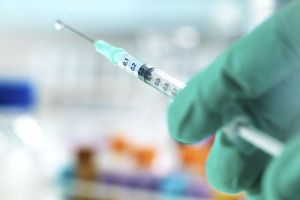
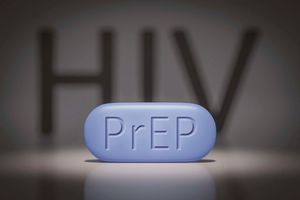
Lenacapavir is an antiretroviral drug given every six months to prevent HIV infection. It is also used to treat multidrug-resistant HIV-1.
Doctors say swapping daily pills for monthly shots could transform HIV treatment and prevention.
Kenya received 21,000 initiation doses from the Global Fund in February to support the rollout, which covered 158 health facilities across the 15 counties.
However, limited supplies have slowed the programme. Health facilities administered 14,446 initiation doses between February and July, and uptake peaked in April before falling as stocks dwindled.
Nascop head Dr Andrew Mulwa said the government was waiting for more doses from the Global Fund to address the shortage.
“The biggest challenge that we are facing is inadequate supply. We are currently awaiting a further 12,000 doses from the Global Fund,” he said.
The programme is also recording low uptake among adolescents, with only about 500 teenagers having received the injection. This is particularly worrying, given that girls aged 15 to 19 account for three in every 10 new HIV infections in the country.
Dr Mulwa said the initial response showed that Lenacapavir could attract people who had not previously considered HIV prevention services. He noted that nine out of every 10 people who sought the injection in February had never used pre-exposure prophylaxis (PrEP).
“The data tells us Lenacapavir will bring new people into HIV prevention, not simply move existing oral PrEP users,” he said.
The gap between men and women has raised concern over what is keeping men away from HIV prevention services, including stigma, misconceptions and attitudes towards healthcare.
Michael Onyango of the Movement of Men Against Aids in Kenya said the figures reflected long-standing difficulties in getting men to embrace HIV prevention and treatment services.
He named fear of testing positive as one of the factors that discourage men from seeking preventive medication. According to Mr Onyango, some men fear that visiting health facilities for HIV-related services could make others suspect that they are living with the virus or engaging in behaviour linked to HIV risk.
He said misconceptions about the injection were also contributing to the reluctance.
“Some men worry about side effects, injection-site pain, or unfounded myths, such as fears that an injection near the reproductive area could cause impotence. People receiving such injections need to undergo proper counselling so that they are prepared psychologically,” he said.
Mr Onyango called for community-based awareness campaigns to address misinformation and help men seek HIV prevention services without fear of discrimination.
“There is an urgent need for a community awareness campaign to reassure the people, and more so men, that irrespective of their status after testing and treatment, all will be fine and it's not the end of life for them,” he said.
He also warned that inadequate counselling and psychosocial support could leave people struggling emotionally, particularly those who receive a positive HIV diagnosis.
Kennedy Otina, executive director of the Masculinity Institute, attributed the low uptake among men partly to attitudes linked to traditional expectations of masculinity. He said many men tend to ignore health concerns and delay seeking medical attention until their conditions become serious.
“The way men are created, they do not normally want to assume they are sick. They rarely go to hospital and usually go only when they are critically ill. So that could explain why they find it hard to take the anti-HIV injection when they do not feel sick,” Mr Otina said.
He argued that the perception that men should always appear strong, healthy and productive often prevents them from acknowledging their health needs.
Mr Otina said sustained public education was necessary to encourage men to view HIV testing and prevention as part of routine healthcare, rather than something to be pursued only when illness occurs.
He also faulted the healthcare environment, saying some facilities and health workers did not adequately address the needs and concerns of male patients.
“Men feel that the health environment, which includes health workers, does not seem to favour them, which is why most of them shy away from seeking treatment,” he said.
Fear of a positive diagnosis, uncertainty about available support and community stigma remain among the concerns that experts say must be addressed to improve uptake.
The latest HIV estimates also point to persistent gaps in prevention, diagnosis and treatment, particularly among children and young people.
Kenya has an estimated 1,481,853 people living with HIV, with prevalence among those aged 15 to 49 standing at 3.22 per cent. The country recorded an estimated 13,936 new infections.
Women account for the majority of people living with HIV, with 965,699 compared with 516,154 men. They also account for a larger share of new infections, estimated at 9,044 against 4,891 among men.
Children, adolescents and young people account for 55 per cent of new infections, which points to the need to strengthen prevention among these groups.
Of the estimated 69,330 children aged 0 to 14 living with HIV, only 79 per cent know their status, leaving more than 14,000 undiagnosed. About 60 per cent are receiving antiretroviral treatment, while only 52 per cent have achieved viral suppression.
The 2026 estimates put AIDS-related deaths in the country at 19,434, comprising 17,167 adults and 2,226 children. Children account for 11.5 per cent of these deaths, despite representing 4.7 per cent of the population living with HIV.
The estimated AIDS-related mortality rate among children stands at 32.1 per 1,000, compared with 12.2 among adults. Nairobi, Homa Bay and Kisumu have recorded the highest numbers of these deaths.
Dr Mulwa said the government was expanding early infant diagnosis and strengthening efforts to ensure mothers living with HIV remain on treatment, to reduce infections and improve outcomes among children.
Follow our WhatsApp channel for breaking news updates and more stories like this.