Why stroke is silently striking African children, teenagers and young adults
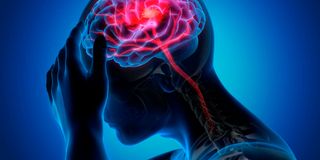
Diagnosis of stroke relies on brain imaging and targeted investigations. In many African hospitals, CT scan is the first-line test because it is faster, more widely available, and can identify bleeding or major areas of brain injury.
What you need to know:
- In African children, one of the leading causes of stroke is sickle cell disease, a genetic blood disorder that distorts red blood cells into stiff, crescent shapes capable of blocking cerebral vessels and depriving the brain of oxygen.
For many, stroke is still perceived as a disease of old age; a sudden illness that strikes later in life after years of high blood pressure or diabetes. Yet across Africa, an unsettling reality is emerging: stroke is affecting children, teenagers, and young adults in alarming numbers. Although still under-recognised, stroke in the young carries devastating consequences for education, productivity, and long-term family well-being, positioning it as a critical public health issue for the continent.
In African children, one of the leading causes of stroke is sickle cell disease, a genetic blood disorder that distorts red blood cells into stiff, crescent shapes capable of blocking cerebral vessels and depriving the brain of oxygen.
Research from sub-Saharan Africa indicates that without preventive care, three to 17 per cent of children with sickle cell disease will suffer a stroke, and the true burden is likely far higher due to limited diagnostic capacity, delayed presentation, persistent stigma, and economic barriers to care. For these children, the consequences are severe: without early screening and intervention, they face a heightened risk of recurrent strokes and lifelong disability.
Infections are another major driver of stroke in African children. Conditions such as bacterial meningitis, tuberculosis affecting the brain, HIV, and severe malaria can inflame or damage cerebral blood vessels, leading to clot formation and stroke. Cardiac diseases; particularly rheumatic heart disease and congenital heart defects; also play a significant role by allowing clots to form and travel to the brain. Blood-clotting disorders and abnormalities of the brain's blood vessels further heighten risk. Among teenagers and young adults, these factors often persist alongside emerging lifestyle risks, including high blood pressure, smoking, obesity, heavy alcohol use, and physical inactivity.
Certain triggers can significantly raise stroke risk in vulnerable children. Severe dehydration, uncontrolled fever, and critically low blood counts during infections may precipitate stroke, particularly in those with sickle cell disease. Head or neck trauma, often resulting from road accidents or falls, can injure cervical blood vessels and cause stroke hours or even days later. Chronic illnesses such as cancer, kidney disease, and autoimmune conditions also increase stroke risk by altering coagulation or damaging blood vessels.
While less common in children, bleeding from ruptured brain vessels can occur due to vascular malformations, clotting disorders, head injury, or brain tumours. Additional causes include rare blood vessel diseases, severe infections, and, in newborns, vitamin K deficiency. In approximately one of every three paediatric cases, no clear cause can be identified.
Lifestyle-related risk factors are no longer confined to older adults. Research in young African and global populations shows that smoking, diets high in salt and processed foods, obesity, physical inactivity, and heavy alcohol use significantly increase stroke risk even before age 45. Smoking is especially harmful as it damages blood vessel walls, raises blood pressure, promotes clot formation, and accelerates arterial hardening. The risk rises sharply with heavier use, making prevention efforts in adolescents and young adults particularly urgent.
Beginning of life
Stroke can also occur at the very beginning of life. Neonatal strokes, occurring around the time of birth, are closely linked to pregnancy and delivery complications such as prolonged labour, neonatal infections, placental abnormalities, and blood-clotting disorders. Maternal conditions like severe hypertension further elevate risk.
In many African settings, limited access to quality antenatal care and skilled birth attendance increases the likelihood of these complications. Infants who survive neonatal stroke may later present with one-sided weakness, delayed developmental milestones, or epilepsy.
Recognising stroke early is critical, yet it remains a challenge. In older children and teenagers, symptoms often resemble those seen in adults: sudden weakness of the face, arm, or leg on one side of the body, difficulty speaking or understanding speech, sudden vision problems, severe headache, dizziness, or loss of balance. In infants, signs are more subtle and easily missed such as reduced use of one hand, one-sided stiffness or floppiness, seizures affecting one side of the body, or changes in alertness and feeding. Stroke in children is frequently misdiagnosed as infection, or injury, leading to significant delays in treatment.
Although stroke in the young can be devastating, children’s brains are still developing and have a greater ability to reorganise and recover. With early diagnosis, timely treatment, and appropriate rehabilitation, many children and young people regain reasonable physical function. Rehabilitation should begin as soon as the patient is medically stable and includes physiotherapy, occupational therapy, speech therapy, and psychological support. For infants, early stimulation and parent-guided play are essential to support brain development. Even in low-resource settings, simple exercises taught by therapists and practised at home can significantly improve long-term outcomes.
Diagnosis of stroke relies on brain imaging and targeted investigations. In many African hospitals, CT scan is the first-line test because it is faster, more widely available, and can identify bleeding or major areas of brain injury. MRI provides greater detail, particularly for early or small strokes, but access remains limited and often requires sedation in young children.
Additional tests such as echocardiography, ultrasound of neck vessels, and blood tests help identify underlying causes including sickle cell disease, infections, clotting disorders, and lipid abnormalities. In regions with high HIV prevalence, HIV testing and related investigations are essential to guide appropriate treatment.
Recovery from childhood stroke extends far beyond physical healing. Many children experience long-term "invisible" challenges affecting attention, memory, learning speed, language, and behavior; difficulties that may only become apparent as school demands increase. Emotional problems such as anxiety, low mood, and social withdrawal are also common, affecting both children and their caregivers. Without adequate school support and mental health services, these challenges can severely limit educational achievement and future opportunities.
Families are central to recovery. Supporting consistent therapy routines, encouraging use of the weaker side, maintaining structured daily routines, and working closely with teachers can make a substantial difference. Emotional support, clear communication, and community connections help reduce isolation. In Kenya, the Persons with Disabilities Act, 2025, provides an important legal framework to support children living with disabilities following a stroke and assist families in accessing needed services.
While not all strokes in the young can be prevented, particularly those linked to rare genetic conditions or unavoidable birth complications, many risks are modifiable. Screening and treatment for sickle cell disease, vaccination against meningitis, prevention and management of rheumatic heart disease, and effective control of HIV and malaria can significantly reduce stroke risk. For adolescents and young adults, controlling blood pressure, avoiding smoking and substance use, maintaining physical activity, and managing diabetes and cholesterol early are critical preventive strategies. Improving antenatal and newborn care is equally vital in reducing perinatal stroke.
Stroke in children and young adults is a serious, yet often preventable condition in Africa. Addressing it requires improving awareness of its presentation, strengthening health systems, and prioritising early recognition, rehabilitation, and long-term follow-up. Investing in stroke prevention and care for the young is not only a medical necessity but a crucial investment in the continent's future.
Prof Samia is the chairperson, Department of Paediatrics and Child Health, and consultant paediatric neurologist at Aga Khan University Hospital, Nairobi