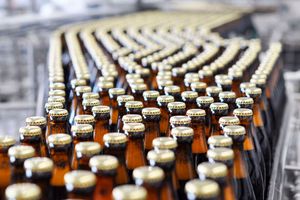
Counterfeit alcoholic beverages and vehicle spare parts are emerging as major concerns in Kenya’s fight against illicit trade, with authorities warning of the risks posed by fake products as they step up enforcement ahead of the festive season.
According to authorities, nearly one in three case files involving counterfeit goods destroyed or scheduled for destruction countrywide relates to illicit alcoholic beverages, while automotive spare parts account for 21 per cent of counterfeit products.
So far, the government has destroyed products worth more than Sh300 million this year.
The latest exercise by the Anti-Counterfeit Authority (ACA) on Tuesday in Mombasa, involved goods valued at about Sh104 million seized during enforcement operations across the country.
It follows an earlier destruction exercise at Athi River involving counterfeit goods worth approximately Sh200 million.
The latest batch was drawn from 54 cases, some of which have gone through court proceedings and settlement processes. The products included alcoholic beverages, electronics, automotive spare parts, cosmetics, apparel, footwear and household goods.
Alcoholic beverages account for approximately 31 per cent of the cases, and represent 13.5 per cent of the total estimated value of goods scheduled for destruction, highlighting the extent to which illicit drinks feature in enforcement operations.
ACA Executive Director Robi King’a said the authority was pushing for the introduction of authentication technology to enable the tracking and tracing of products in the Kenyan market, particularly alcoholic beverages.
“We have a problem with illicit and counterfeit products, more so beverages. As we enter the festive season, we shall push for more tracing to ensure we protect Kenyans,” said Dr King’a.
He said the authority is also advocating for a policy requiring alcoholic drinks to be authenticated from the manufacturing stage through a track-and-trace system to monitor products circulating in the market.
Concerns over road safety
The technology would help enforcement agencies establish the origin and movement of products, making it easier to distinguish genuine merchandise from counterfeits and identify those involved in illicit trade.
Beyond alcoholic beverages, counterfeit vehicle spare parts account for 21 per cent of counterfeit products encountered by local firms.
The proliferation of fake automotive components has raised concerns over road safety, particularly where motorists unknowingly purchase substandard replacement parts.
Counterfeit brake pads, for instance, may appear identical to genuine ones but can fail under pressure, exposing motorists and other road users to serious risks.
“The fight against counterfeiting must be understood not only as the protection of intellectual property rights, but also as a fundamental consumer protection responsibility,” said Dr King’a.
The wider economic cost of counterfeit products is also significant. Kenya Association of Manufacturers (KAM) chief executive Tobias Alando estimated that legitimate local manufacturers lose up to 40 per cent of their market share annually to illicit and counterfeit products.
Mr Alando warned that the proliferation of fake goods is undermining local investment, threatening businesses and exposing consumers to products that could endanger their health.
He said illicit trade contributes to the collapse of legitimate businesses as counterfeiters continue to flood the market with products that compete unfairly with those manufactured under regulated conditions.
The destruction exercise brought together government officials, enforcement and regulatory agencies and intellectual property rights holders.
ACA board chairperson Nelson Gaichuhie, who attended the exercise, said the authority is working to strengthen intellectual property protection and enforcement as Kenya seeks greater collaboration among government agencies, manufacturers and other stakeholders in tackling illicit trade.
Mr Gaichuhie said ACA has also identified environmentally safe disposal of seized counterfeit products as an important component of its enforcement programme, ensuring that destruction does not create additional environmental risks.