Zippy Kimundu’s highly anticipated second documentary, Widow Champion, is set to screen at the Goethe-Institut Nairobi, marking another milestone in the acclaimed director’s career.
Exploring themes of resilience, justice and empowerment, the film has already generated considerable interest ahead of its official presentation.
The screening will take place on February 25 under ‘Kamera Kwanza’, a film series hosted by the Goethe-Institut that celebrates a shared passion for cinema.
Dedicated to documentary filmmaking, the programme offers audiences the opportunity to engage with deeply human stories while examining the artistic choices behind them. Each screening is followed by an in-depth Q&A session, where directors discuss their creative processes and the artistic or geographical challenges they encountered.
“What I love most about this series is the intensity of the conversations after the screenings,” says Cristina Nord, director of the Goethe-Institut Kenya. “The audience’s questions are thoughtful and compassionate. For filmmakers, that warm and informed response often sparks new ideas and emotions. It is an incredibly rewarding experience.”
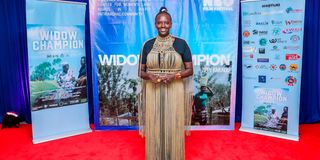
Jessica Oluoch (left), Zippy Kimundu (Centre) and Phylis Awimbo pose for a photo at Prestige Cinemas in Nairobi on October 23, 2025, during the premiere of Widow Champion.
Photo credit: Lucy Wanjiru | Nation
Since 2024, the Goethe-Institut, in partnership with Docubox, has hosted 16 screenings of acclaimed African documentaries.
While many outstanding films from the continent premiere at major festivals in Europe and the United States, they are seldom seen by audiences at home.
This collaboration seeks to bridge that gap by bringing under-circulated yet powerful works to Kenyan viewers, broadening access to African cinema and amplifying diverse voices.
“Kamera Kwanza reflects something we have long believed — that African documentaries deserve to live, travel and be experienced by the audiences they speak to most intimately,” says Susan Mbogo, executive director of Docubox.
“Through our partnership with the Goethe-Institut, we are nurturing a consistent and welcoming space where stories from across the continent can be encountered and understood more deeply.”
Widow Champion centres on the lives of Kenyan widows navigating a deeply patriarchal society. At its heart is Rodah Nafula Wekesa, a widow and fierce advocate who works to protect women from dispossession and social exclusion. The film examines the tension between entrenched cultural practices and a rapidly evolving legal and social landscape.
The documentary had its world premiere at the Tribeca Film Festival in New York and later screened in Nairobi on 23 October 2025 in partnership with the Kenya Legal and Ethical Issues Network on HIV and Afro Films International.
In Kenya, where nearly eight million of the country’s 53 million citizens are widows, the loss of a husband can mean far more than bereavement. In many rural communities, widows risk losing their homes, land and identity.
Customary practices such as widow inheritance — in which a woman may be expected to marry a brother-in-law — can determine whether she retains her place within the family compound. Refusal, or rejection, can result in eviction and the loss of property rights.
Forced to shoulder new responsibilities while grieving, many widows take on farming, household management and sole financial provision for their children, often in the face of hostility and stigma.
Nafula’s own story underscores this reality. After her husband’s death, she endured years of intimidation while fighting for rights to her home. “They called me a witch, a glutton, a mad woman, a prostitute. They even destroyed my house,” she recounts in the film.
Rather than retreat, she transformed personal adversity into advocacy, mediating family disputes and helping other widows secure their legal rights. Director Kimundu describes the film as “a battle between culture and modernity”, examining a legal system strained by corruption and patriarchal norms.
Clear-eyed and unsensational, Widow Champion highlights an issue that extends beyond Kenya’s borders, raising broader questions about justice, dignity and belonging.
Through Nafula’s work, the film portrays not only struggle, but transformation — redefining what justice can look like for widows across rural Kenya.