Despite securing a partial scholarship to the prestigious Savannah College of Art and Design in the US to study industrial design, financial constraints forced Maali to stall his higher education and go "all-in" on his music career. He speaks to Jackson Ngari about his journey. Nairobi singer-songwriter Maali opens up about catching the attention of Apple Music's Platoon, performing with international greats, and proving that Kenyan sound belongs on the global stage.
At what point did you realise music was no longer just a passion, but something you could build a career out of?
In my first year of doing music, I started meeting other musicians who encouraged me to perform and exercise my creativity. The more I found myself in those spaces, the more people responded positively to what I was doing. I realised this was something I genuinely enjoyed and could potentially build a life around.
Before recognition started coming in, how were you sustaining yourself financially while pursuing music?
I'm fortunate to have a mother who has always supported me. I haven't gone to university yet. After high school, I decided to pursue music while figuring out how to eventually finance my education. At the moment, it's music or nothing.
You never went to university?
Not yet. I actually got accepted into Savannah College of Art and Design (SCAD) in the US and even received a partial scholarship. Unfortunately, there was still a significant financial gap to bridge. I wanted to study industrial design because I've always been fascinated by inventors and product design. I still hope to pursue higher education one day because I value knowledge immensely.
Does music currently pay enough to sustain you?
Not entirely. I'm still balancing music with other income streams. I recently launched ‘Like A Sunday’, a daytime music experience designed as an alternative to Nairobi's nightlife culture. I also work behind the scenes on other events. Everything I do still revolves around music, but diversification is important.
How many songs did it take before people really started paying attention to your sound?
My debut single received a lot of support from the beginning because I'd already done groundwork within the community. But I'd say it took about four or five songs before I started receiving wider recognition, especially after releasing my EP Mellow Dramatic’. That's when people from places like Argentina and Japan started discovering my music.
When you listen to your earliest work now, what stands out?
Growth. The biggest difference is in the refinement of my sound. The mixing, mastering and songwriting have all improved because I've worked consistently on my craft and built relationships with incredibly talented people in the industry.
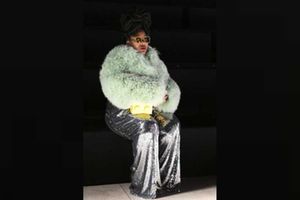
Ivan Thomas Maali, who goes by Maali, is an alt-pop, RnB nd Afrobeats singer-songwriter recording and performing artiste.
Photo credit: Pool
What's the most misunderstood aspect of being a musician?
The business and production side. People don't realise the logistics involved in putting together a music video, organising performances or running events. There's a lot happening behind the scenes, and the people doing that work are often underappreciated.
Do streaming numbers translate into real income for artistes?
To some extent, yes, but it's complicated. Streaming can create the illusion of success. You can go viral overnight without having the structures needed for a sustainable career. I'd rather have 15,000 dedicated fans who attend my shows and support my work consistently. In Kenya, we also don't yet have all the frameworks needed to monetise music fully.
What has been the biggest milestone of your career so far?
Being signed by Platoon, which is owned by Apple Music, was huge for me. They reached out because they believed in my music and wanted to help me take the next step. I've also had opportunities to perform at major festivals and open for Anthony Hamilton, which have been incredibly important learning experiences.
What did opening for Anthony Hamilton teach you?
It showed me that the gap between Kenyan artistes and international artistes isn't as wide as people think. The biggest lesson was understanding the level of discipline and attention to detail required to perform at the highest level. It motivated me to work even harder.
Do you think the Kenyan music industry supports artistes enough to build sustainable careers?
It's improving. We've come a long way, and there are more people actively trying to uplift Kenyan musicians. Personally, I've benefited enormously from community. Interestingly, most of my mentors have been women, including Lisa Oduor Noah, June Gachui and my sister Xenia Manasseh. I've realised I haven't had many older male mentors in the industry, which is something I've been reflecting on.
Your music is emotionally vulnerable. Do you ever worry about exposing too much of yourself?
Yes and no. There are songs I've written that are far more vulnerable than anything I've released so far. Some touch on themes like debt, loneliness and the emotional struggles people carry privately. Those are difficult conversations, especially for men who are often expected to always be strong. But I believe those stories are important to tell.
What does success look like for you in five years?
I'd love to be touring internationally, releasing albums and having my music featured in films and television. I'd also like to have my own studio space and, most importantly, be able to take care of my family. I'd love to have a place of my own while remaining close to the people who have supported me throughout this journey.