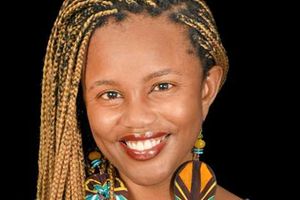
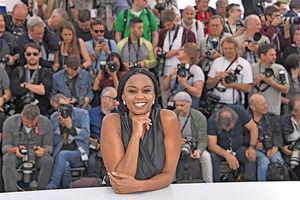
Festus Kiprotich, is a 23-year-old cinematographer and creative director with an eye for detail.
1. You have built a career that blends filmmaking, editing, and colour. How did that combination come together and what is your background?
In 2018, after finishing high school, my mom bought me a phone and I started watching YouTube videos about photography because I liked how cool photographers looked. Even though my parents wanted me to be a doctor or an engineer, I wanted to be creative. I joined Multimedia University to study multimedia, but after my first semester, COVID hit. I started getting photography gigs, which made it hard to balance school and work. I eventually deferred school because I was earning and learning faster through real projects. I felt like the lecturers were not real filmmakers and could not teach what I wanted to learn. I focused on cinematography, editing and later colour grading. That was the start of my journey.
2. When you first picked up a camera, what story were you trying to tell and how has that evolved?
When I started, I just wanted to take nice pictures and look professional. But later, I realised storytelling was more than that. My goal changed to telling impactful stories that connect with people and help brands communicate better.
3. Looking back at your early projects, what do you see now that makes you smile or feel proud?
I smile when I remember how excited I was with every little booking I got, even when I earned just sh4,000. I feel proud because I started small, but now I have worked with big brands like MRM (Mabati Rolling Mills), KWS (Kenya Wildlife Services), and Techno.
4.How do you define your creative identity? What makes a “Festus Kir” visual recognisable?
Simplicity and emotion. I like to tell stories that feel real and look cinematic but simple. I also love color grading that brings out emotion in the story.
5.What separates a good filmmaker from one who creates truly cinematic work?
A good filmmaker tells a story, but a great one makes you feel it. It is about emotion, vision and the ability to connect the visuals, sound and color into one powerful message.
Festus Kiprotich, is a 23-year-old cinematographer and creative director with an eye for detail.
6. You work on both narrative films and brand commercials. How do you shift between creative storytelling and commercial storytelling?
In brand commercials, I focus on impact, not just the product. Like in a Techno advert I did, instead of showing the phone only, I showed how it changes lives in the villages. I always try to bring storytelling and emotion into commercials so people can relate.
7. As a filmmaker who also edits and grades, do you feel control over the full process strengthens your storytelling voice?
Yes, very much. I edit most of my work between 7 pm and 2 am, when I am most productive. Doing all three helps me maintain the same emotion from the camera to the final cut.
8. Collaboration is key in filmmaking. What do you look for in people you choose to work with?
I look for people who are professional, visionary and big dreamers. I like working with fast learners and people who take their work seriously because time is money on set.
9. What project has challenged you the most, and how did you grow from it?
“Holo the film” challenged me the most. We shot an entire feature film in just three days using one lens. It was tough technically, but it taught me patience, creativity under pressure and teamwork.
10. You have worked with different creators and brands. What is the most rewarding part of helping someone else’s vision come alive?
I believe in being a good, impactful person for a brand.It is when I see a brand that used to struggle start growing after I work with them. When their videos get more views and people talk about them, that is the most rewarding feeling.
11. How do you keep your visuals fresh and cinematic even with tight budgets or limited time?
I focus on simplicity, creativity and using what I have to the fullest. I always plan well and make sure my small team works smart and fast.
12. Many young creators have misconceptions about success. What is the biggest one you have noticed?
The biggest misconception is that we think we have time. Everyone has ideas, but only those who act fast and execute them early succeed. You must shrink the time between idea and action.
13. Do you think the film industry listens to young voices enough, or do you have to fight to be taken seriously?
No, not really. Many people do not take Gen Z filmmakers seriously. Some young people lack professionalism, but there are many talented ones doing great work. We are learning new ways of filmmaking and we deserve more trust.
14. Has social media helped or hurt your journey as a creator?
Social media has helped me a lot. I used to hide my work, but when I started posting my behind-the-scenes and results, everything changed. One video got over 500,000 views, and brands started reaching out. Social media is a must for every creative because people buy from people they see and trust.
Festus Kiprotich, is a 23-year-old cinematographer and creative director with an eye for detail.
15. How do you balance creative ambition with real-world limits like budget and experience?
It is tough. I have learned to separate passion from business. Many creatives do great work but cannot sustain themselves. I learned to show clients the value of what I do, not just the price. We must also teach clients how to use our work for visibility.
16. How have you learned to monetise your filmmaking career?
I bring value first, and the money follows. I work with brands that respect creativity. Sometimes I ask them to only facilitate the shoot instead of paying me. Once they see my value, they pay more later. It is about building trust and giving quality.
17. Is filmmaking in Kenya currently a sustainable career path?
Not yet. It is still hard to make a living from it unless you are well-known. People are not willing to pay much for film work, so we must find creative ways to survive and tell better stories that connect with people.
18. Beyond film, what other ventures or skills help you sustain your creative lifestyle?
I am involved in real estate and digital marketing through my company. We are growing slowly, but it helps sustain my lifestyle and gives me more freedom as a creative.
19. What are some of the biggest projects you have worked on, whether in advertising or film, and what impact did they have on your career?
One of my biggest projects was for MRM, Mabati Rolling Mill. I made around sh700,000 from that project. Another big project was for Tekno, where they gave us a few months of contracts, also closing on Sh700,000 per month. I also have a client who paid a significant amount, but they have not launched the product yet, so I cannot mention the brand.

Follow our WhatsApp channel for breaking news updates and more stories like this.