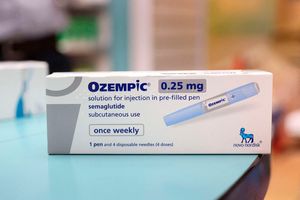
Have you heard of the oatzempic drink for weight loss? It has been trending on Instagram and TikTok for a while now. The drink is made by blending oats blended with water or juice, with a squeeze of lemon or a pinch of cinnamon. Its name is derived from Ozempic, a prescription medicine for type 2 diabetes that also suppresses appetite. But does the drink really aid weight loss?
Valentine Idah Chepngeno, a clinical nutritionist, explains that while blending oats does not chemically destroy dietary fibre, it reduces particle size, which alters how fibre functions physiologically, and this can lead to faster gastric emptying and glucose absorption.
“Blending with water maintains nutritional integrity, but juice adds free sugars, increasing glycemic load and potentially leading to sugar spikes.”
At the heart of this conversation is beta-glucan, a soluble fibre that makes oats common in nutrition circles.
“When it absorbs water, this fibre forms a thick gel in the gut. That gel increases the volume in the stomach, helping one feel full and slowing gastric emptying. It also slows carbohydrate breakdown and glucose absorption, reducing blood sugar and insulin spikes after meals.”
Further, it lowers cholesterol by binding bile acids in the intestines, leading to increased bile acid excretion. “This forces the liver to use the circulating cholesterol to synthesise new bile acids, hence reduced LDL (low-density lipoproteins or bad cholesterol).”
The trend, however, rarely stops at oats. Many recipes add cinnamon or lemon for a little extra taste. But what does science say?
“Cinnamon contains polyphenolic compounds such as cinnamaldehyde that have been shown to enhance insulin sensitivity and support more efficient glucose uptake,” says Valentine.
She adds that these effects can lower blood glucose in people with insulin resistance, though there is no strong evidence for clinically meaningful weight loss.
“It works best as an adjunct, not a treatment,” she says. “Lemon offers a different set of advantages. It contains flavonoids such as hesperidin and eriocitrin, which have been shown, in experimental studies, to improve insulin sensitivity and reduce oxidative stress, helping prevent inflammatory responses.”
Valentine acknowledges that blended oats can suppress appetite in the short term. But the comparison to medication is misleading. “It does not replicate GLP-1 receptor agonist mechanisms,” she says, adding that the effect is behavioural, not hormonal.
“This means it may help with temporary appetite control, but not long-term weight management unless it is part of a balanced diet. And oats are not alone, citrus fruits, apples, and legumes such as beans and lentils provide soluble fibres that offer similar feelings of fullness.”
Valentine emphasises that blended drinks are not complete meals, and over-relying on them risks inadequate protein, micronutrient gaps, and a lack of essential fats.
“This can affect immunity, metabolic function, and overall health of one’s body. Potential cardiovascular and electrolyte issues, gastrointestinal dysfunction, and psychological stress when such drinks consistently replace proper meals,” she adds.
Dr George Otieno, a consultant physician and cardiologist at AIC Kijabe Hospital, weighs in on how this drink affects the heart.
“High cholesterol is a concern because fat can accumulate inside blood vessels, blocking them and depriving organs of blood and nutrients,” he says. “That cascade can lead to a heart attack, stroke, kidney failure, or even gangrene (loss of limbs).”
“A high BMI (Body Mass Index) is often linked with higher cholesterol in the organs and bloodstream. When weight is reduced through exercise and diet, that fat breaks down, lowering cholesterol and reversing potential damage,” says Dr Otieno.
He agrees that oats can help, but only to some extent. “Because oats increase fullness, one may reduce sugar or overall calorie intake, pushing the body to use existing fat for energy. That can modestly lower cholesterol.”
“But there are no solid data that can support the single use of oats as a fat-lowering endeavour without other lifestyle measures,” he notes.
Cinnamon lands in the same category: supportive, not transformative.
Dr Otieno emphasises that the word to remember is support. “Cinnamon may help regulate sugar levels when paired with lifestyle changes, but on its own, it does not boost metabolism, reduce cravings, or meaningfully improve metabolic health in a sustained way. These benefits are sporadic and transient, without clear long-term evidence.”
For anyone trying to improve cholesterol through diet, Dr Otieno shares a practical approach.
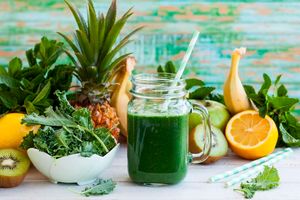
One cannot claim superiority of cinnamon or oats over vegetables and fruits.
Photo credit: Fotosearch
“Oats and cinnamon, just like vegetables and fruits, are still better than carbohydrates and fat, but one cannot claim superiority of cinnamon or oats over vegetables and fruits. When you eat a balanced diet and add exercise, quit smoking, for annual screening for chronic conditions for early diagnosis, get good sleep, and keep a healthy mind, then you are on the winning track,” he says.
How long does it typically take for patients to see measurable changes in cholesterol from dietary shifts? “Between two to three months, but this is clearly dependent on many confounders like exercise, and how drastic the dietary changes are.”
Dr Otieno points out that clinically, diet and genetics are inseparable, but from scientific evidence, genetics is the biggest contributor with 60 percent, diet 35 percent, and lack of exercise less than five percent.
He believes that diet alone is not the solution to high cholesterol. “Diet is very limited, and most often we do need drugs to better control high cholesterol,” he says. “When diet is over-emphasised, people end up adopting all sorts of diet formulations and buying all kinds of supplements with minimal benefits but unreasonably high prices.”