During the festive season, when the year feels ready to loosen its grip and families gather in warm circles of laughter, nyama choma becomes more than a dish. It turns into a ritual that binds people together. Gardens come alive with chatter, smoke curls upward like a soft signal of celebration, and grills glow beneath the weight of fresh meat.
Whether the setting is a quiet homestead or an open field where strangers mingle like old friends, the spirit is the same. Fire becomes the centre of everything. The aroma of garlic, pepper and sizzling fat wraps around the air like a memory waiting to be made. It draws people close, inviting them to share stories, laughter, and the simple joy of a meal prepared with care.
In this world of fire and flavour, the grill is more than a tool. It is a stage, and the cooks are storytellers. Each movement of a hand, each turn of a piece of meat, and each flicker of flame contributes to the tale. The stories come alive in the smoke, in the sizzle, and in the warm plates that move from grill to table.
Two grill masters stand out for their approach to festive nyama choma . Each has a recipe and a method that speaks to patience, respect for the meat, and the joy of sharing.
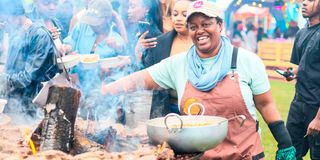
Agnes Mwangi is 52 years old, gentle in manner until she steps toward a fire. When she stands before a grill, her posture changes. It becomes firm, grounded, and sure. She calls herself a grill master, a title she carries with calm confidence built from years of tending flames and transforming raw cuts into tender, flavourful meals. She runs Pot Delight, a catering business widely known for its barbecue, and over the years she has shaped how people experience nyama choma.
Nyama choma.
Photo credit: File
“I love to grill,” Agnes says with a laugh as she adjusts her protective gloves. “I do not want to burn my fingers. It is a work hazard. You burn your fingers. But I cannot do gel on my nails because it gets into the pores. So I stay with natural nails and I focus on the meat.”
She remembers when meat in many Kenyan homes was cooked behind the house, quietly prepared and only brought to the dining table after the hearty staples had been served. “Meat used to be done in the background,” she says, shaking her head.
Meat should be celebrated openly, she insists. She loves showing people the process, how the meat hits the grill, how the flavours open with heat, how the cuts should rest, and how every bite should honour the labour behind it.
Her culinary philosophy is rooted in simplicity. “If you get good cuts of meat, you do not have to overdress it,” she says firmly. “Garlic, black pepper, salt, ginger and chilies. You do not have to camouflage the meat. Let it speak.”
She chooses her cuts carefully, knowing each part of the animal has its own texture and flavor. Leg muscles, she explains, do not soften quickly, while lamb steaks and sirloin perform beautifully over a hot grill. Medium rare is her preference because the juices remain locked inside and the flavour stays pure.
“When you grill meat too long, you dry the juices and interfere with the taste,” she says.
Agnes takes us step by step through her festive sirloin steak. She begins by selecting fresh sirloin slices of moderate thickness. She seasons each piece with crushed garlic, grated ginger, black pepper, salt, and finely chopped red chilies.
“Massage the seasoning gently into the surface, careful not to bruise the fibers. Allow the steak to rest only briefly, I believe that fresh, high-quality meat should not be over-marinateds” says Agnes.
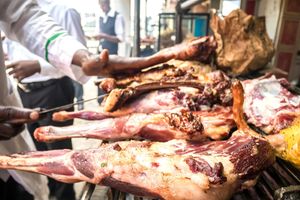
Nyama choma on display during Kenya Meat Expo 2025 at Kenyatta International Convention Centre in Nairobi on August 8, 2025.
Photo credit: Dennis Onsongo | Nation Media Group
Next, she prepares the grill. Heat is critical, she explains. “The grill must be hot. Very hot,” she insists. She places the steaks on the scorching surface, and the sound of sizzling meat fills the air. The crust forms immediately, locking in the natural juices. She watches the flames and flips the steak only when necessary, ensuring the centre remains pink and warm, reaching the perfect medium rare. She reminds anyone following her method that timing and attention are essential.
“A good steak takes 10 to 15 minutes,” she says. “But I must see you standing there. Do not tell me you are coming three hours in advance. A quick steak should meet the person who will eat it.”
Once the steaks are done, she allows them to rest for a few minutes. Resting lets the juices redistribute and prevents the meat from drying out. She slices each steak carefully, revealing the pink, warm centre.
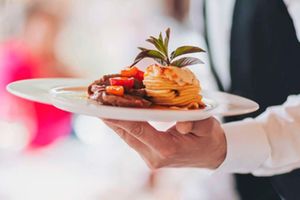
“The steak is served with sides that bring contrast and complement the flavours.” Agnes avoids heavy staples like ugali, preferring potatoes, plantains and crisp salads.
“Jacket potatoes, wedges, radish potatoes, spicy roasted potatoes, salads. Variety,” she says. These accompaniments bring freshness, texture, and a festive colour to the plate, making it visually appealing as well as delicious.
Agnes’s sirloin steak is a lesson in restraint and care. The simple seasoning, the careful cooking, and the proper resting all combine to make a festive meal that highlights the meat itself.
Another grill master, one that moves from the quick precision of a sirloin to the slow, tender rhythm of ribs cooked with patience and affection, is Stephen Musyoka.
Stephen Musyoka, known as Syoks, speaks about food as if it were poetry. Every sentence flows like a flame moving across wood, and his energy near a grill is as lively as the sparks that leap from charcoal. For him, nyama choma is not just nourishment.
“We want a nice barbecue to be more than food,” he says. “It is about the moments that gather around it. Some people have had a good year. Some have had a difficult one. We want them to come together and toast to something.”
My main character will be Kamau, a waiter at a popular nyama choma joint somewhere around Thika. FILE PHOTO | NATION MEDIA GROUP
Outside the grill, Stephen works at Aga Khan University in the Office of Strategic Communications. But near a fire, he has the freedom to slow down, to experiment, and to create something that cannot fit into the confines of an office space. Barbecue is his art, his way to connect people, and his offering to those who share his table.
Stephen begins his slow-cooked beef ribs the night before, soaking the meat in salty water. “Brining allows the meat to relax and open up,” he explains. “It draws moisture into every fiber, and it makes the ribs tender.” The brine ensures the meat absorbs flavour and stays juicy during the long cooking process. By the following morning, the ribs are ready for their next layer of seasoning.
He rubs the ribs with his personal blend of spices, a mixture he has refined to create a reddish coating that clings to the meat. “I love creating rubs,” he says. He allows the rub to rest on the ribs for several hours so the flavours can penetrate the surface. This slow absorption is what makes the ribs rich and deep in taste.
The grill waits patiently as he prepares the fire for the first task, searing. He places the ribs directly over high heat, letting them develop a firm, dark exterior. The crust forms a protective layer, sealing the juices inside.
After the sear, Stephen cradles the ribs in foil and pours a bottle of beer over them. The foil becomes a slow-cooking chamber, while the beer adds moisture and subtle sweetness. He places the packet on very low heat. “Fire should never be fought. Low heat gives tenderness,” he says. For five to six hours, he turns the ribs gently from time to time, checking for softness and steam inside the foil. The slow, patient cooking allows the meat to fall away from the bone effortlessly, producing that melt-in-the-mouth texture everyone craves at festive events.
When the ribs are ready, Syoks serves them with mango salad. “Expect mango salad from me,” he says with a laugh. The fresh, sweet and tangy salad cuts through the richness of the meat, providing balance and lightness to the dish. The ribs, smoky and tender, combined with the bright mango, create a festive plate that delights the senses and encourages sharing.
Nyama choma is a delicacy on most Kenyans' menus this Christmas.
Stephen’s slow-cooked beef ribs are not simply a recipe. They are a lesson in patience, respect for the meat, and the joy of bringing people together. Each step is intentional, from the brining to the rub, the sear, the slow cooking, and finally the pairing with a fresh side. The process rewards attention and care, producing a dish worthy of celebration.
This festive season, preparing nyama choma can be an experience that goes beyond the simple act of cooking. It is a memory made with fire, flavour, and togetherness. From the quick, juicy sirloin to the long, tender ribs, the festive table is enriched by both dishes. The smoke, the sizzle, and the shared moments become the true celebration. Under December skies, with plates filled and hearts warmed, the festival spirit is complete.