The first time Joanne Senteko, a hotelier in Nairobi, came across the Hallelujah Challenge on social media, she didn’t think much of it. Her friends would share clips of people singing and praying at midnight, led by the Nigerian gospel artiste Nathaniel Bassey, and she would scroll by without paying attention.
“It was just something I used to see online,” she says. “I didn’t understand what it really meant or why people were so emotional about it.”
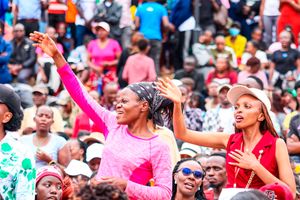
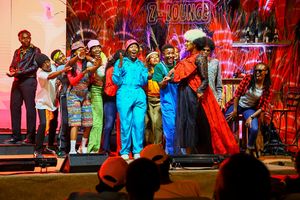
That changed last year when she attended the Rhema Feast, a physical worship gathering inspired by the same movement. “That’s when I got to see it from my own point of view,” she says. “It wasn’t about hype. It wasn’t a show. The atmosphere was so raw and powerful that you could feel things shift in the room. I felt God’s presence in a special way that night.”
Every midnight, thousands of believers from across the world gather online to pray, sing, and testify together in what has come to be known as the Hallelujah Challenge. What began as a simple Instagram Live session has blossomed into a global movement of worship, a digital sanctuary where faith is rekindled, hope is restored, and stories of answered prayers inspire countless others.
The first Hallelujah Challenge was held in 2017 from June 1 to June 30, following the earlier #TonguesChallenge. It all started when Bassey streamed a late-night praise session from his living room, an act of worship that soon drew tens of thousands of people online, united by one purpose – to lift their voices in praise.
Since then, Joanne has joined the thousands of Kenyans who tune in to the Hallelujah Challenge every night, streaming live from Nigeria. Sometimes she joins from her living room, other times from bed with her phone propped against a pillow.
Joanne Senteko, a hotelier, says this time of prayer has taught her the power of consistent worship.
Photo credit: Pool
“It is hard because of the time difference. You want to sleep, but then you remind yourself that this is an appointment with God,” she says, laughing. “But the moment you log in, all that tiredness disappears. The worship lifts you.”
One night stands out in her memory, a session where Bassey shared a story about a woman who conceived after years of trying. “That night, I prayed with a friend whose father was unwell. They had done countless hospital visits and even gone abroad for tests but nothing worked. The next day, she called me saying her dad had started responding to treatment. That wasn’t a coincidence; it was divine intervention.”
For Joanne, the Hallelujah Challenge has become more than a midnight livestream. It is a quiet, consistent practice that has reshaped how she approaches prayer and faith. “Sometimes the spirit is willing but the flesh is weak,” she says, laughing. “But I’ve learned that faith is the catalyst of prayer. So even on nights when I don’t feel like it, I remind myself that something good happens when people gather to praise.”
Joanne is aware that online worship movements can attract skepticism, especially in an age of performative religion and viral spirituality. But she insists this one feels different. “You have to test the spirit,” she says. “Ask God to guide you. Not every prayer movement is genuine, but the Hallelujah Challenge has truly changed me. It has made me more intentional about my faith, about consistency, and about gratitude.”
For Zibora Simiyu, 26, the Hallelujah Challenge has become more than just an online night vigil. It is where her faith has found rhythm and renewal. “I first heard about the Hallelujah Challenge from a friend,” she said, recalling how it kept reappearing on her social media feed until she finally decided to join. “At first, I didn’t really know what it was all about. I thought it was about fasting. I actually missed the first one, but I was waiting for this round, and by God’s grace, I’ve been able to join, and I’m so glad I did.”
Zibora Simiyu says the Hallelujah Challenge has transformed her prayer life and strengthened her faith.
Photo credit: Pool
From that moment, Zibora committed to join every session. “Sometimes I fall asleep, sometimes I’m tired, but when I miss it, I wake up in the morning, download the live session and watch it. Even if it takes two hours, I give God that time. The encounters are still the same. I still feel His presence. It has helped me build spiritual discipline.”
Zibora has found a community in the process. “We wake each other up, tag one another, make sure no one misses it. Sometimes I share the link on my status, and whoever’s online joins. It has even drawn my family closer to God.”
Her prayer life has since deepened. “I used to try praying at night, but I wasn’t consistent. I have become more disciplined because of the challenge. Now, even after the 2am session ends, I stay in His presence a while longer.”
There are moments she describes as unforgettable. “When Apostle Joshua Selman was ministering and said, “You walk in divine favour, unusual kindness, unusual access.” I could literally feel the heavens opening. The next day, things just started happening…people offering help without me even asking.
“I’ve struggled with tonsillitis for years, just like my mother. The day Apostle Selman declared that tonsillitis was healed, I cried. Since that day, I’ve felt so much better. Even when I spoke to my mum later, she said she felt fine.”
She feels that every minister who joins the Challenge offers something unique. “When Pastor Inojeri said, ‘It is finished,’ that word hit me hard. There were things in my life that had been stagnant, and after that night, God restored relationships I had thought were gone forever. The next day, someone I hadn’t spoken to in months reached out. I knew that was God.”
She is aware that her practice may not be accepted by others. “I know I disturb my neighbours with praise sometimes, but it is worth it. I am often overwhelmed with joy. I have made a commitment to re-watch all the sessions, even after the challenge ends.”
And to the skeptical ones, her message is simple: “Try it with an open heart. Every time I join, I come out different. Hungrier for God. Thirstier for His presence. You can’t remain the same after that.”
For Elizabeth Mutongoi, a Linguistics student at Moi University, the Hallelujah Challenge became more than just a virtual praise session; it was a personal encounter with peace.
Elizabeth Mutongoi, a Linguistics student at Moi University, says the Hallelujah Challenge has brought her peace and spiritual growth.
Photo credit: Pool
“I first heard about the Hallelujah Challenge early this year through social media. I only managed to attend for two days. When they announced that another Hallelujah Challenge would be held in October, I vowed to participate fully.”
Curiosity led her to dig deeper into the origins of the movement. “I decided to do some research about the previous Hallelujah Challenges and found it truly inspiring. I love my relationship with God, and I feel drawn to anywhere His name is being praised.”
When the new challenge began, she made her room an altar where she connects with God. “That is where I truly talk to God, worship Him, thank Him, praise Him, dance without fear or distractions,” she says.
One night stood out from the rest. “The day that really touched me was day six,” she remembers. “Pastor Nathaniel Bassey spoke about new beginnings, and that message hit me deeply. I prayed and asked God for peace because I felt like my life wasn’t going well. My mind was unsettled. But from that day, I’ve been filled with peace. The next morning I woke up calm, and everything started to align. I knew it was divine intervention.”
Elizabeth believes the Challenge resonates with young believers because of its accessibility and authenticity. “It is held online, vibrant, full of energy, yet deeply spiritual. Many young people feel like life is moving too fast, things aren’t aligning, and they are running out of time. At that point, they turn to God. I believe He is revealing Himself to the youth through this movement.”
For her, the Hallelujah Challenge has been a lesson in faith and consistency. “It has taught me that God is always there; you just need to believe in Him and know Him personally. “Sometimes answers don’t come immediately, but every prayer builds faith and brings you closer to God’s plan. You just have to keep showing up, trusting Him through it all.”
Benjamin Kioko, 46, a high school teacher from Machakos, first joined the challenge back in 2020, at a time when he was “drifting spiritually.”
“It was during the pandemic, and everything felt uncertain. Schools had closed, I was at home with my family, and I was questioning my faith. Then one night, while scrolling through Facebook, I saw people typing ‘Hallelujah’ over and over again in the comments section of a live video. I got curious and joined in, and from that first night, something shifted in me.”
He didn’t expect much at first, but the consistency of the midnight worship changed how he approached prayer. “It became part of my daily routine. Sometimes I would be marking papers and realise it’s almost midnight, so I’d stop everything and just tune in. It reminded me that worship isn’t only for Sunday.”
When his wife fell ill in 2021 and doctors couldn’t figure out what was wrong, they turned to the challenge. “We prayed together every night during the sessions. I would type her name in the comments and just say, ‘Lord, heal my wife.’ After a few weeks, she started recovering. I can’t explain it scientifically, but I know God had a hand in it.”
For him, the Hallelujah Challenge has become more than an online event, it is a community. “You feel like you are part of something bigger. People you’ve never met are praying with you, believing with you, and that unity of faith is powerful. It is a reminder that God is not limited by distance or screens.”
He smiles when asked what he thinks about the growing number of young people joining. “It is encouraging. These young ones are staying up till midnight just to pray. It tells me that the fire of faith is not dying. We older folks can learn from their zeal and openness. The Hallelujah Challenge has bridged generations in a way that the church can’t.”
Marium Wacheke, 49, a saloonist in Nairobi, first came across the Hallelujah Challenge on Instagram in 2019.
“A friend posted a clip from one of the midnight sessions, and I got curious. I went to check it out and found people from all over the world just worshipping together online. I didn’t join immediately, but after a few nights of watching, I found myself staying up till midnight to be part of it,” she says.
At the time, Wacheke was going through ‘an emotionally and spiritually dry’ season. “I felt like I was doing everything right but nothing was moving. So when I tuned in that first night, the atmosphere of worship was just pure. There was no noise, no show-off, just people genuinely seeking God. I remember Pastor Nathaniel once saying, ‘This has never been a concert. It has always been a revival.’ That line stuck with me and kept me going,” she recalls.
Whenever the challenge is on, Marium tries to stay up, sometimes past midnight. Other times she catches the replays in the morning on YouTube. Most nights she joins alone, but her husband occasionally joins her. “There are nights we just hold hands and pray together as the worship goes on. It has strengthened us spiritually.”
For her, the Challenge is a reminder that “praise can shift things that even long prayers can’t.” It has become a moment of reset, a kind of spiritual detox.
One night stands out vividly in her memory. “They were singing ‘You are God all by Yourself.’ That song hit different because I was waiting for a business deal that had been delayed for months. That night, instead of complaining, I decided to thank God. Three days later, the client called to confirm the deal. That’s when I knew something shifts when you praise intentionally.”
During the 2022 Challenge, she and her husband were praying for a breakthrough in their family. “Every night during the sessions, I would type ‘Lord, remember us.’ A few months later, God answered in a way we had long been waiting for. When it finally happened, I just broke down. It was nothing short of a Hallelujah testimony.”
According to Marium, many young people are drawn to the Hallelujah Challenge because it feels authentic. “It is not about fancy suits or long sermons. People can join from anywhere and still feel part of something global. I think many young people are hungry for God, they just want it in a form that fits their lifestyle.”
Her echoes that of many others: “Faith is not just believing once, it is believing again and again, even when nothing seems to move. I have learnt that prayer changes you before it changes your situation.”
To those skeptical about online prayer movements, she says, “Don’t limit how God can reach you. We spend hours online scrolling. Why not use that space to connect with God? I have seen lives change through that Challenge. It is not hype. It is real.”